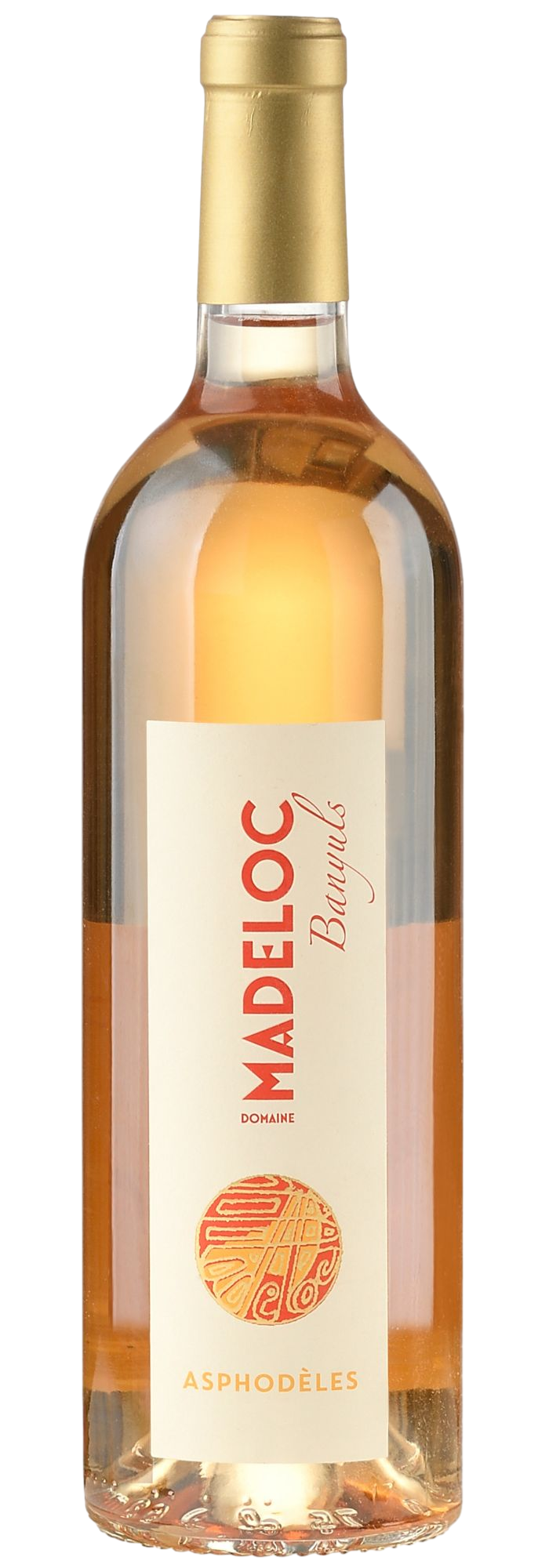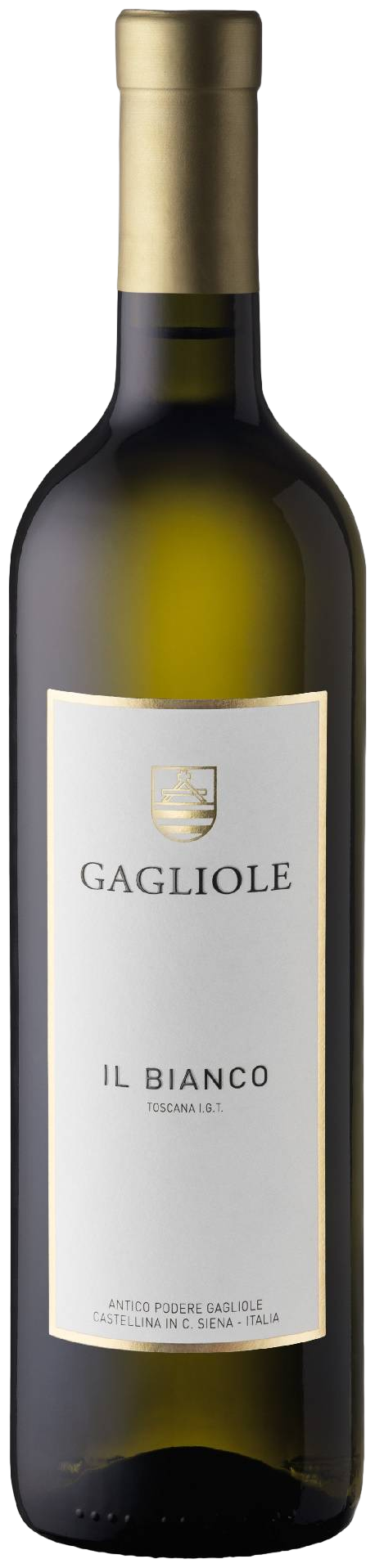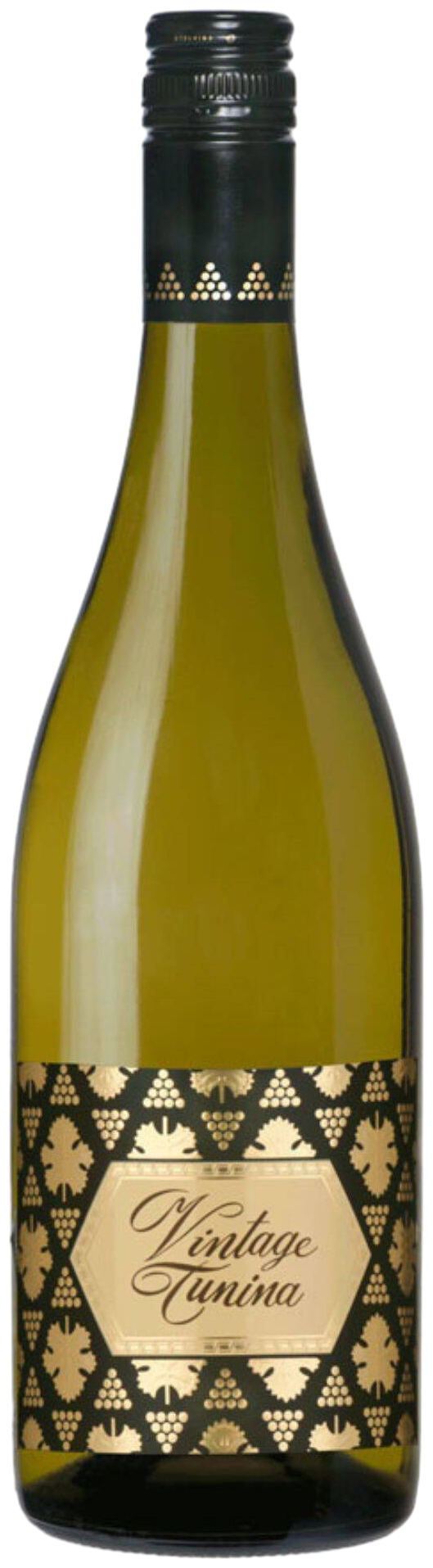
MalvasiaAn ancient Mediterranean charmer with aromatic magic and delightful versatility
Malvasia is not just one grape—it's a vast family of ancient varieties that have been charming wine lovers since Greek and Roman times. Originating from the eastern Mediterranean, possibly around the Peloponnese region of Greece, Malvasia spread throughout Italy, Spain, Portugal, and beyond through maritime trade routes. The name likely derives from the Greek port city of Monemvasia, a major wine trading hub in medieval times.
Today, you'll find Malvasia thriving across Italy (especially in Friuli, Lazio, and the islands), Spain's Canary Islands, Portugal's Madeira, and even Croatia. What makes Malvasia special is its incredible versatility—it produces everything from crisp, refreshing dry whites to lusciously sweet dessert wines, and even sparkling wines. Each regional variant has developed its own personality, making Malvasia exploration a delicious adventure through Mediterranean wine culture.
How to recognize this grape variety?
Malvasia wines are wonderfully aromatic, bursting with white flowers, apricot, peach, and honey notes. Depending on the style, you might encounter hints of citrus zest, tropical fruits like pineapple, or even subtle almond and herbal undertones. On the palate, dry Malvasias offer refreshing acidity with a medium body and sometimes a slightly creamy texture. Sweet versions deliver rich, honeyed flavors with candied fruit and nutty complexity.
For food pairings, dry Malvasia shines with seafood dishes, grilled vegetables, creamy pasta, and mild cheeses like fresh mozzarella or young pecorino. The aromatic profile makes it fantastic with Asian cuisine, especially Thai or Vietnamese dishes. Sweet Malvasias are heavenly with almond-based desserts, blue cheeses, or simply enjoyed as a contemplative sipper on their own.
Malvasia production around the world
Here's the list of the top 5 producers of Malvasia worldwide.
ItalySicily, Friuli-Venezia Giulia, Tuscany, Lazio, Emilia-Romagna, Sardinia, Calabria, Apulia, Lipari
13 600 ha
PortugalDouro Valley, Madeira, Tejo, Dão
13 000 ha
SpainCanary Islands, Catalonia, La Rioja, Castile-Leon, Galicia
4 000 ha
CroatiaIstria
1 555 ha
GreecePeloponnese, Cyclades, Crete
500 haGrape variety fact sheet
Origin
Italy