

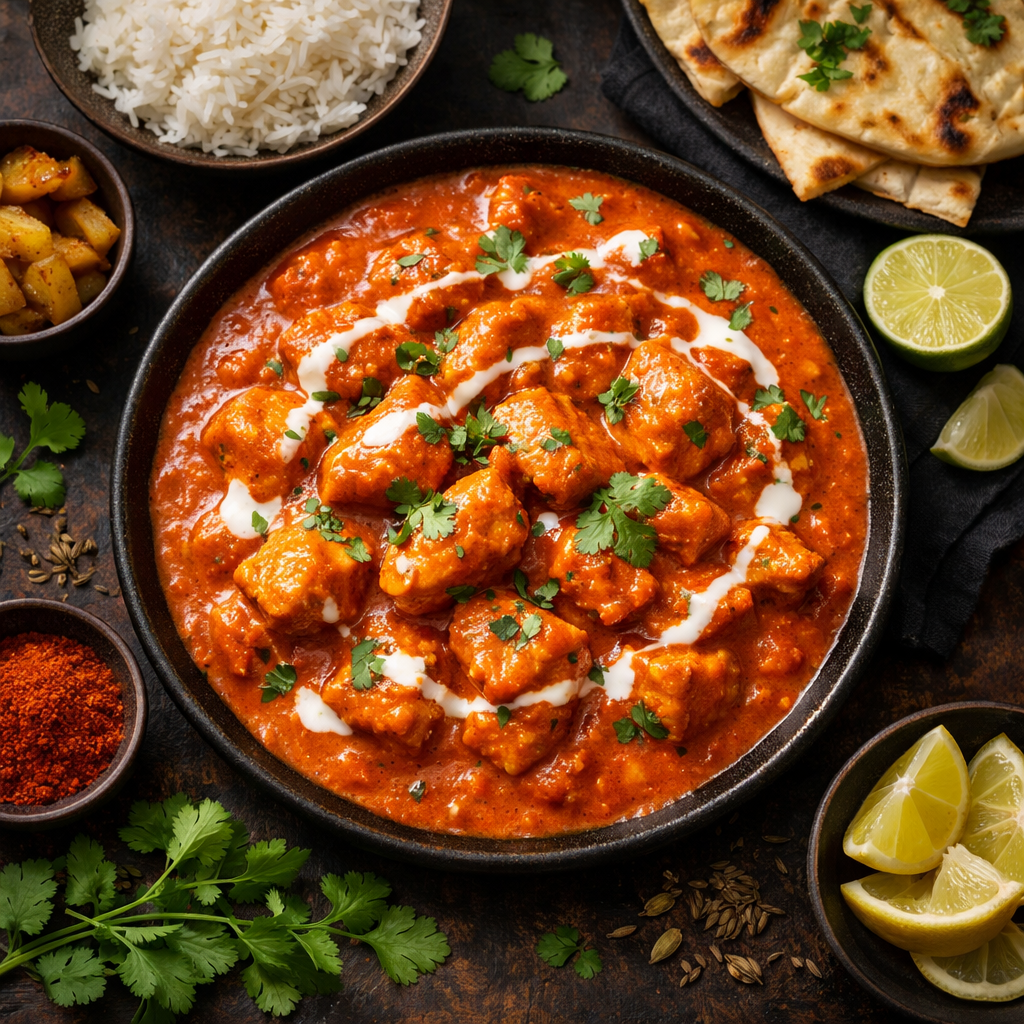
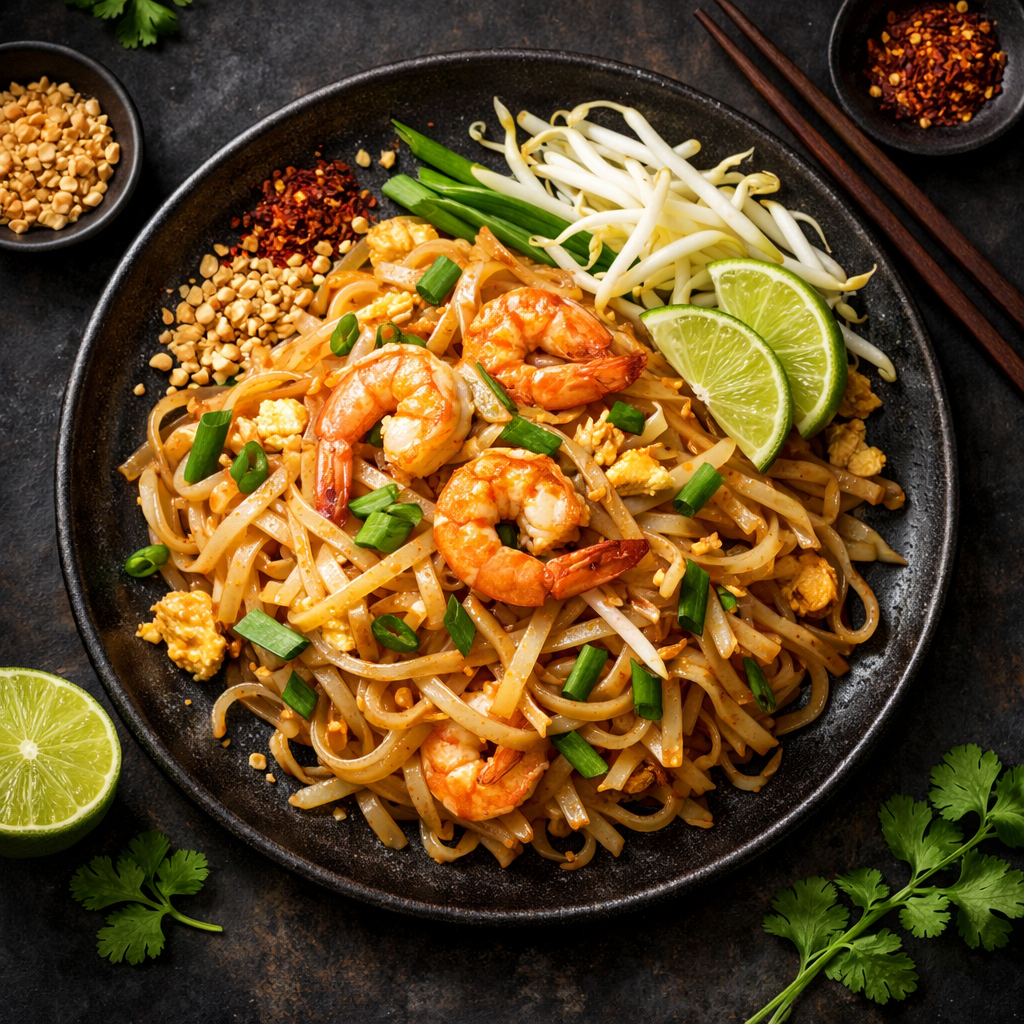
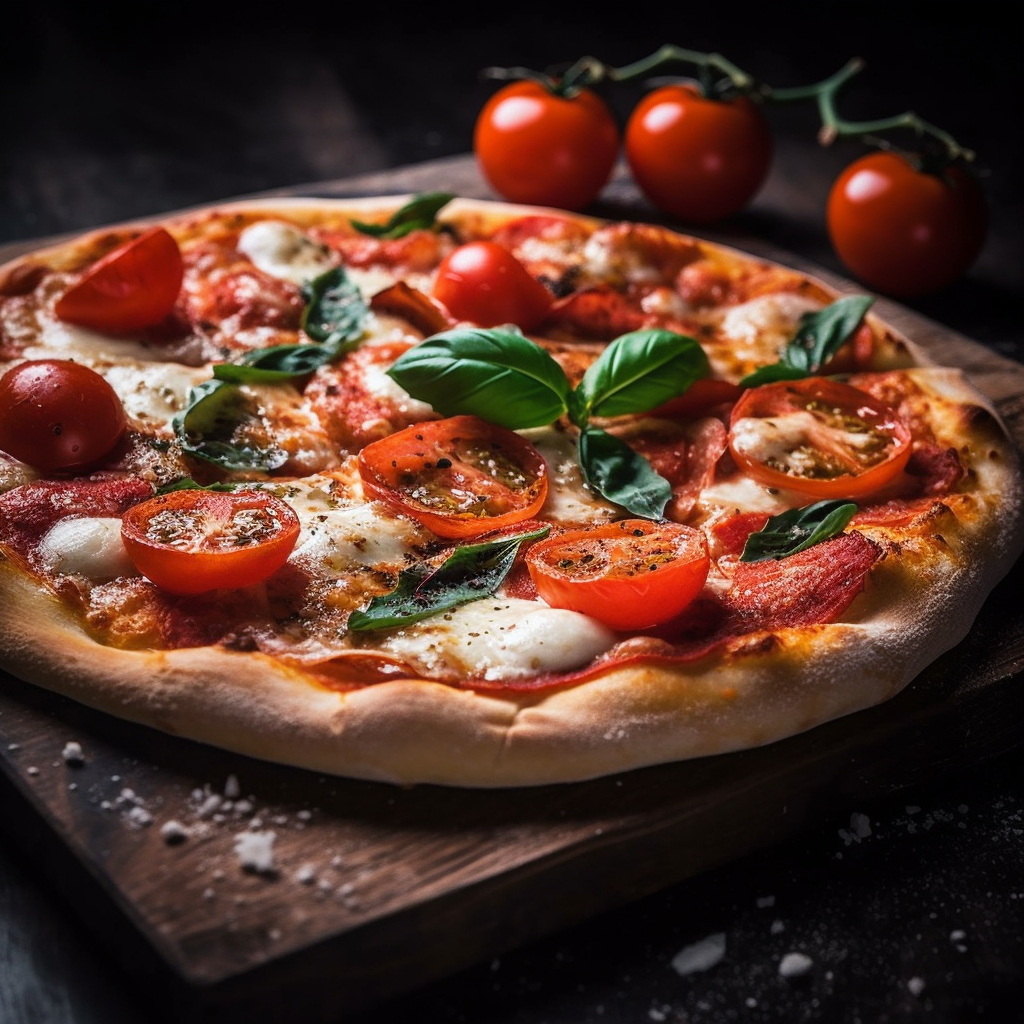
Pizza, butter chicken, pad Thai: three dishes born on three different continents, none of them shy about flavour. That's the thread here. World cuisines on this page means dishes that lean into spice, char, sweetness or sourness all at once, rather than playing it quiet on the plate.
That kind of intensity changes what a wine needs to do. A big, oaky, tannic bottle just gets flattened by chilli or tomato or fish sauce. What works instead is fruit, freshness and a bit of restraint, something that can sit next to bold flavours without trying to out-shout them. Sweetness in the food often calls for a touch of sweetness or roundness in the glass too, and heat usually wants a wine that cools rather than one that fans the flame.
Each dish below carries its own balance of fat, spice and acid, so each gets its own answer further down the page.
Frequently asked questions
Why is it harder to pair wine with world cuisine dishes than with classic European ones?
Most wine and food pairing habits grew up around European cooking, where a dish is built around one dominant flavour, like the richness of a roast or the acidity of a tomato sauce. Dishes from Thailand, India or a modern pizza oven often stack sweet, sour, salty and spicy in the same bite, so the wine has to cope with several things at once instead of one clear note.
Does spicy food really clash with wine?
Not if you pick the right style. High alcohol and heavy tannin do clash with chilli, they make the heat feel sharper. But a wine with real fruit, a little sweetness or a cool, crisp edge tends to calm the spice down rather than fight it, so spicy doesn't mean wine-free.
Should I match the wine to the country the dish comes from?
It's a nice idea but not a rule. There's no traditional wine pairing for pad Thai or butter chicken, because wine wasn't part of that table originally. It's more useful to match the wine to what's actually in the dish, the fat, the sugar, the acid, the spice, than to its passport.
What's the one thing that trips people up most with these dishes?
Oak and heavy tannin. A big barrel-aged red that would shine next to a steak usually turns bitter and hot next to chilli or a sweet, spiced sauce. Lighter, fruitier and fresher styles almost always do better here, even if that feels like a step down in weight.
Can one wine work across a whole spread of different world dishes?
Sometimes, if you pick something with generous fruit and enough acidity to reset the palate between bites. But if the table has both a mild curry and a fiery stir-fry, it's worth checking each dish's own page below, since the balance of sweetness and heat shifts a lot from one to the next.
You have the ideas.
We have the perfect wine.
Tired of overthinking your wine choice? Just tell us in a few words why you need a bottle and we'll find the perfect wine in under a minute.