

An aperitif is not one dish, it's a dozen small ones happening at once. Cured meat, a dip, a crumbly pastry, maybe some olives someone brought. Nothing on the table is trying to be the star, and that's exactly the challenge for the glass in your hand.
What ties this category together is salt and fat, in different amounts and different textures. Charcuterie brings a chewy, cured saltiness. Dips lean creamy and mild, sometimes sharp with lemon or garlic. Puff pastry adds butter and crunch, plus whatever herb or paste is folded inside. A wine that only flatters one of these will feel wrong two bites later, so the real job here is staying fresh and a bit lively through all of it, cutting the fat without fighting the flavours.
This also tends to be a standing-up, glass-in-hand kind of drinking, often before anyone's decided what the actual meal will be. That changes what you want from a bottle. Below, each dish gets its own pairing, because a garlicky dip and a board of cured meats don't actually want the same wine even if they show up on the same table.
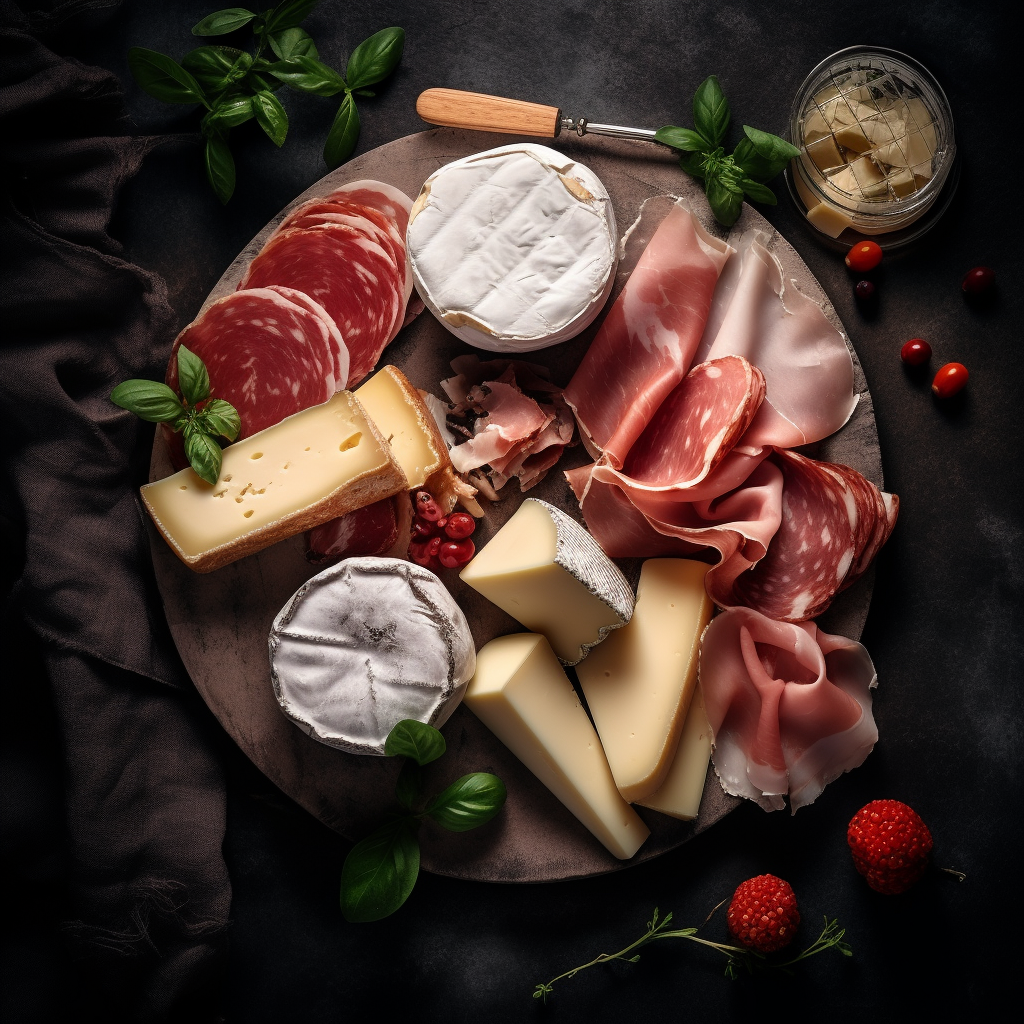
Charcuterie & AperitifCharcuterie board
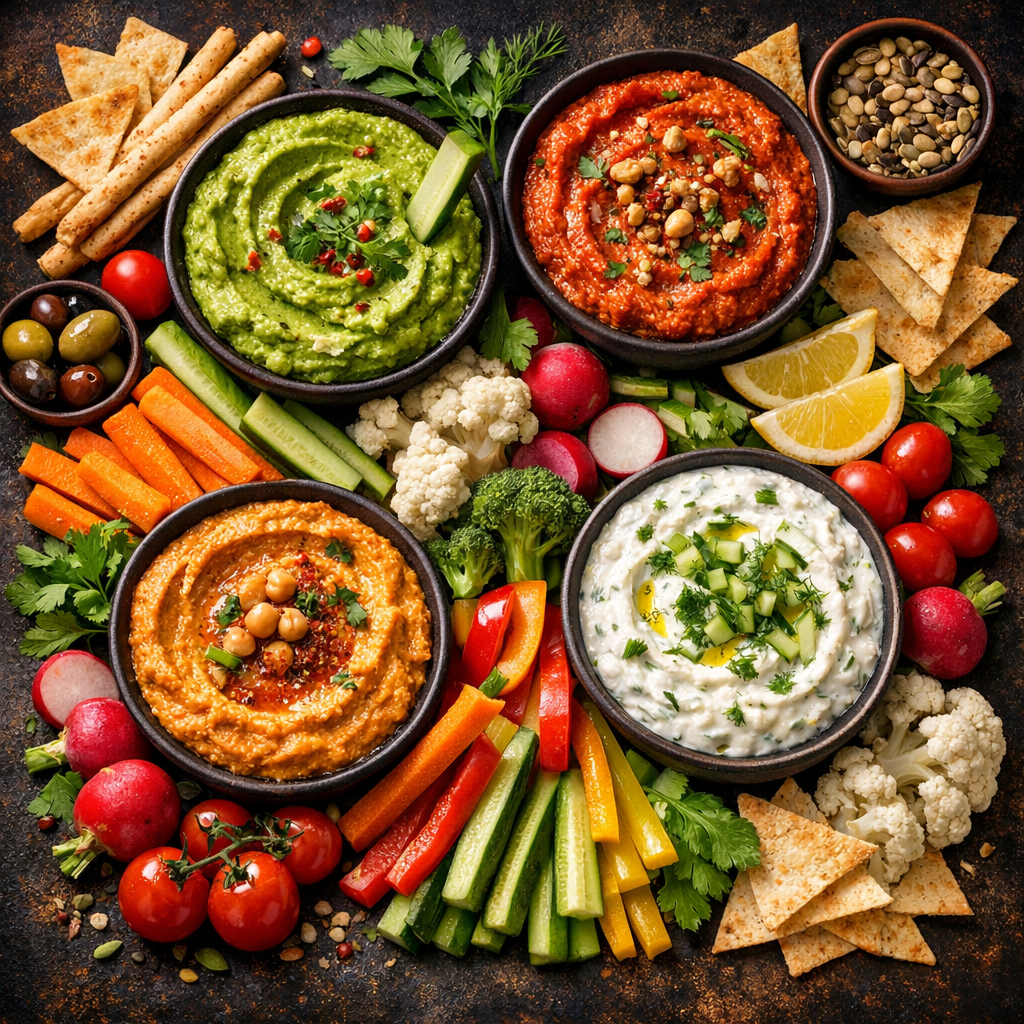
Charcuterie & AperitifVegetable dips
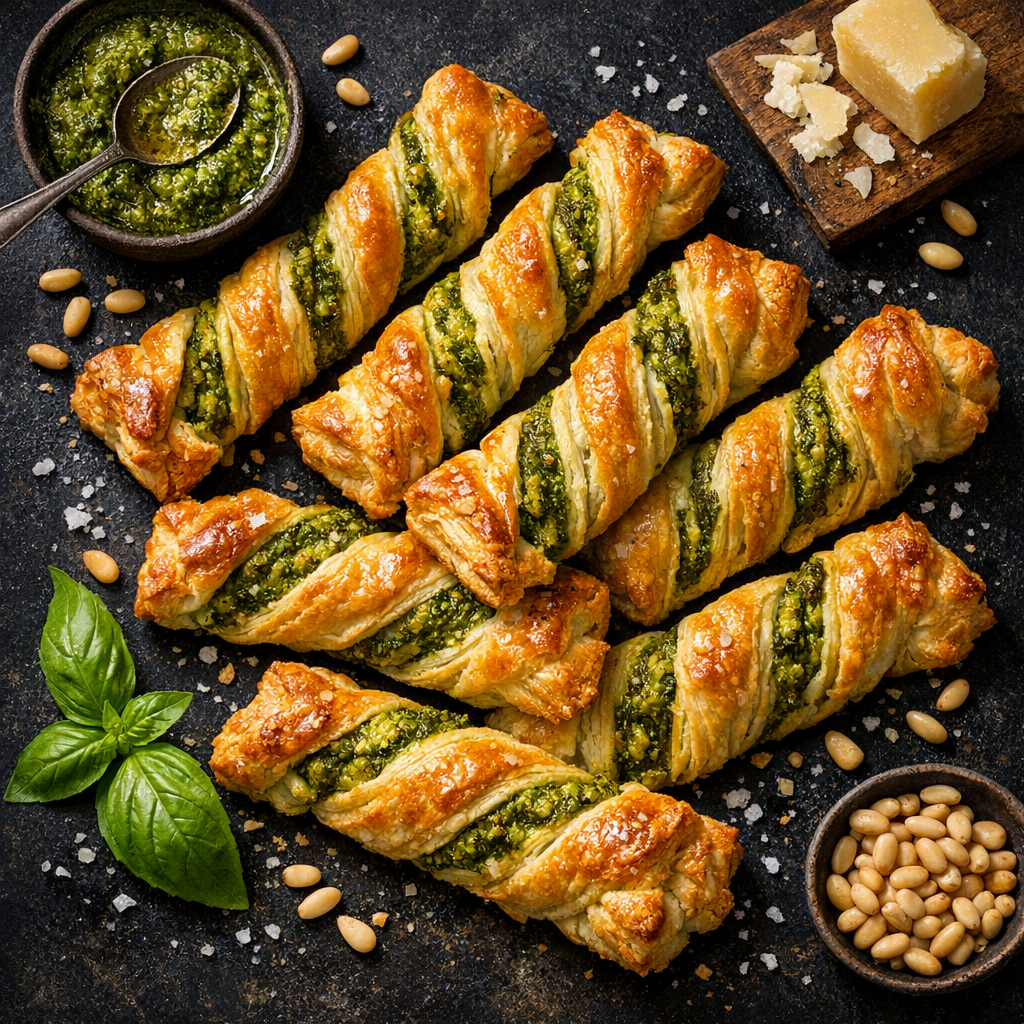
Charcuterie & AperitifPesto Puff Pastries
Frequently asked questions
Should I pick one wine for the whole aperitif or something different for each dish
One bottle can carry you through if it's got enough acidity to stay fresh against salt and fat. But if your spread is generous and varied, two bottles, one white and one lighter red or even sparkling, give you more room to match what people are actually reaching for.
Is white wine always the safer choice for an aperitif spread
It's the safer default because most aperitif food is salty, creamy or fried, and a crisp white cuts through that cleanly. But a chilled, light-bodied red or a dry rosé can do the same job and adds a bit more contrast with cured meats.
Does sparkling wine work for a whole spread or just as a welcome drink
It can carry the whole thing, not just the first glass. The bubbles reset your palate between very different bites, which is useful when you're moving from a creamy dip to a slice of dried sausage in the same five minutes.
What should I avoid pouring at an aperitif
Heavy, oaky or very tannic wines tend to clash with salt and fat rather than lift them. They can also feel like too much before anyone's actually sat down to eat, so it's worth saving those bottles for later in the meal.
Does the season change what I should pour at an aperitif
It shifts the mood more than the logic. In summer you'll likely want something served colder and lighter, while in winter a slightly fuller white or a soft red feels more at home, but the same salt-and-fat balance still guides the choice.
You have the ideas.
We have the perfect wine.
Tired of overthinking your wine choice? Just tell us in a few words why you need a bottle and we'll find the perfect wine in under a minute.