

Pasta and rice are carriers. The noodle or the grain itself is almost neutral, so everything that matters comes from what's stirred into it: butter, cream, tomato, broth, a fistful of cheese, maybe a long-cooked ragù. That's the part a wine has to answer to, not the starch.
What ties this whole family together is starch and fat working side by side. Starch softens a wine's edges and can make it taste duller than it is. Fat and cream do the opposite, they call for a wine with enough acidity to cut back through and reset your palate for the next bite. Tomato sauces bring their own sharpness and a little sweetness, which changes the math again, and a risotto finished with butter and parmesan behaves nothing like a bowl of pasta tossed with olive oil and herbs.
So there's no single answer for pasta and rice as a category, there's one for each dish, depending on how it's built and what's sitting on top of it. The dishes below each get their own pairing, matched to their sauce, their richness and how they're cooked.
Frequently asked questions
Does the sauce matter more than the pasta or rice itself?
Almost always, yes. Pasta and rice are mild on their own, so the wine is really responding to what's cooked into the dish. A cream sauce, a tomato base, a meat ragù and a plain broth each pull a wine in a different direction, which is why the pairing lives at the level of the finished dish rather than the category.
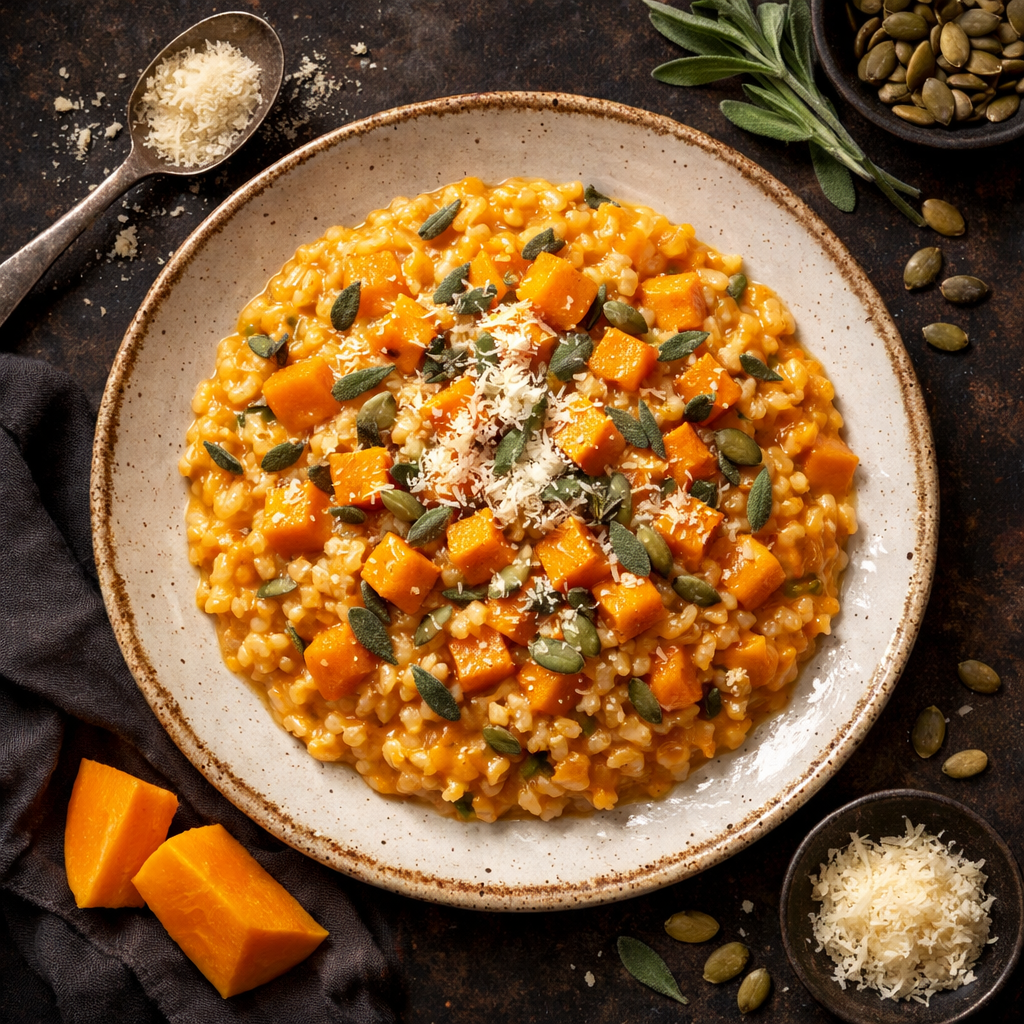
Should risotto be paired differently than pasta?
Often, because risotto is usually enriched with butter and cheese right at the end, which gives it a rounder, heavier texture than most pasta dishes. That extra richness tends to call for a wine with a bit more backbone or acidity to keep the dish from feeling flat in the mouth.
Is red wine ever the right call for pasta or rice, or should I stay with white?
Red works well once the dish leans savoury and rich, think slow-cooked meat sauces or mushroom risottos. Lighter, brighter dishes with oil, herbs, seafood or fresh tomato tend to sit better with white or something crisp, so the direction really follows the sauce, not a fixed rule about pasta or rice.
How much does cheese on top change the pairing?
More than people expect. A generous grating of a hard, salty cheese adds both fat and salt to the dish, which usually means the wine needs a touch more acidity or freshness to balance it out. Leave the cheese off and the same dish can suit a gentler wine.
What about simple, broth-based dishes compared to rich, creamy ones?
Broth-based pasta and rice dishes are lighter on the palate and don't need much weight from the wine, so something brighter and more delicate tends to work. Creamy, cheese-heavy versions can handle and often need a wine with more presence to stand up to them.
You have the ideas.
We have the perfect wine.
Tired of overthinking your wine choice? Just tell us in a few words why you need a bottle and we'll find the perfect wine in under a minute.