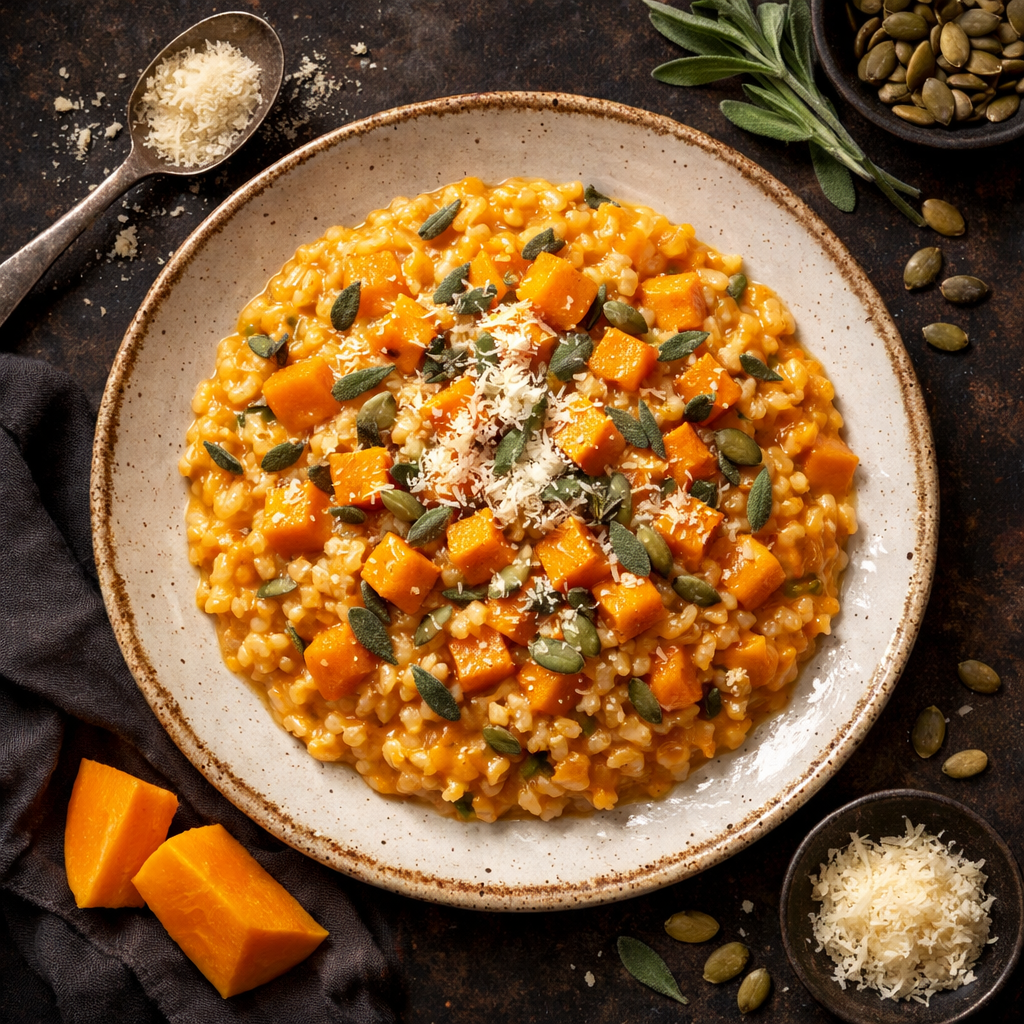
Pumpkin risotto is a study in roundness. The squash turns sweet as it cooks down, the rice releases its starch into something almost custardy, and butter and parmesan pile on more fat and salt on top of that. Nothing here has an edge. Left alone on the plate, it's comfort food through and through, but comfort food that can feel heavy by the third spoonful if nothing in the glass pushes back.
That's the job for the wine: bring acidity, because the dish has none of its own, and offer something other than more cream. A nutty or saline note helps too, since it echoes the parmesan without just doubling down on richness. Weight matters as well. Something too thin disappears next to the risotto's density, while something too heavy just adds to the pile.
Most of the answer lives in white wine, and for good reason, but it isn't the only door open. A red with enough restraint can pick up on the roasted, caramelised side of the squash instead of fighting its sweetness. The three bottles below take that question in different directions.
The perfect matchWhere almond and acidity meet buttery squash
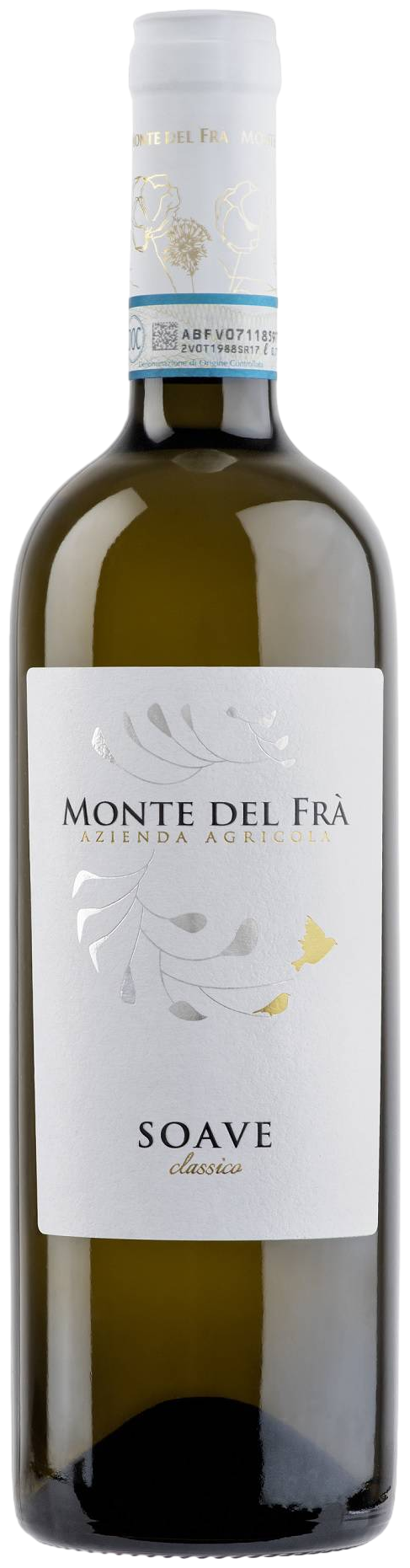
Soave Classico is built on Garganega, a grape that rarely shouts but always shows up with the right things: a clean citrus core, a faint almond note on the finish, and enough acidity to walk straight through butter and parmesan. That's exactly what pumpkin risotto is missing on its own. The wine doesn't fight the dish's sweetness so much as it keeps it in check, spoonful after spoonful.
What makes this pairing feel effortless is the weight. Soave Classico has enough body to stand next to a creamy risotto without getting lost, but it never tips into heaviness itself. You end up with a plate that tastes rounder and a glass that tastes brighter, each one doing what the other can't.
Also greatA smokier, saltier way in
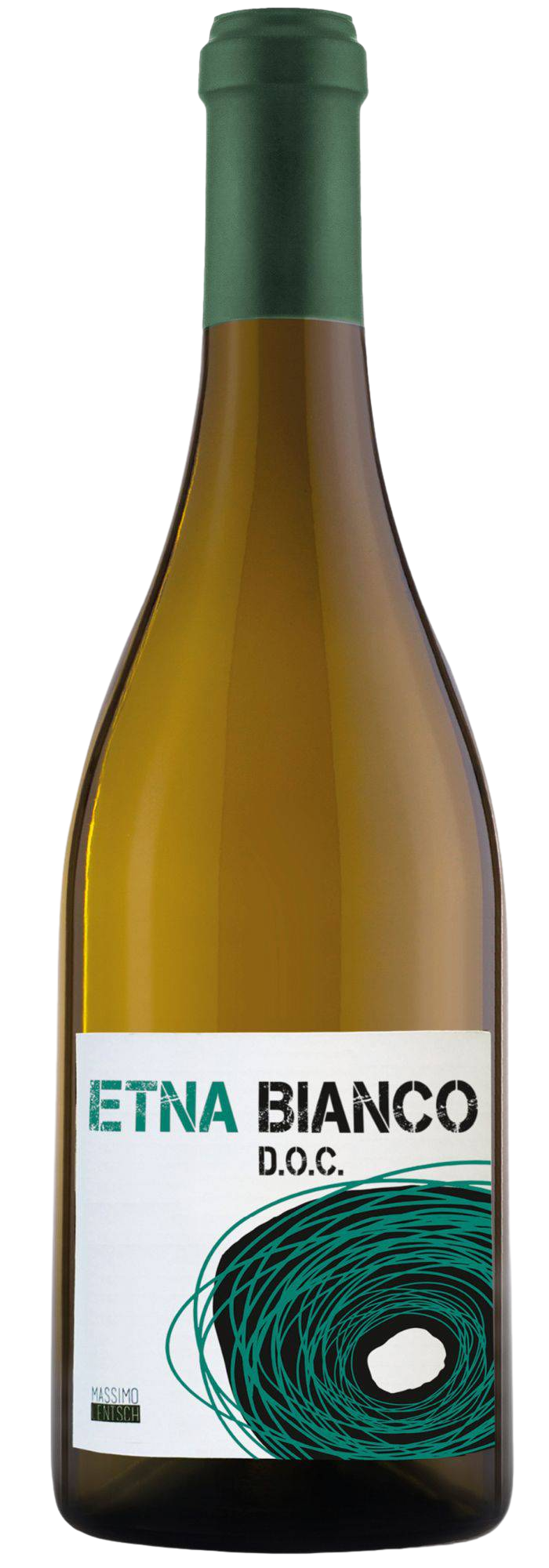
If the Soave takes the gentle route, Etna Bianco comes at the same problem from volcanic soil instead. Carricante grown on Etna carries a saline, almost smoky minerality that you don't get from Garganega, and it pairs with a citrus acidity sharp enough to cut clean through the risotto's creaminess.
That smokiness is the real reason to reach for this bottle over another white. It plays off the natural sweetness of the pumpkin in a way that feels less like contrast and more like conversation, the sweet and the saline trading places in your mouth. If you want a pairing with a bit more edge and a sense of place, this is it.
Also greatIf you're pouring red tonight
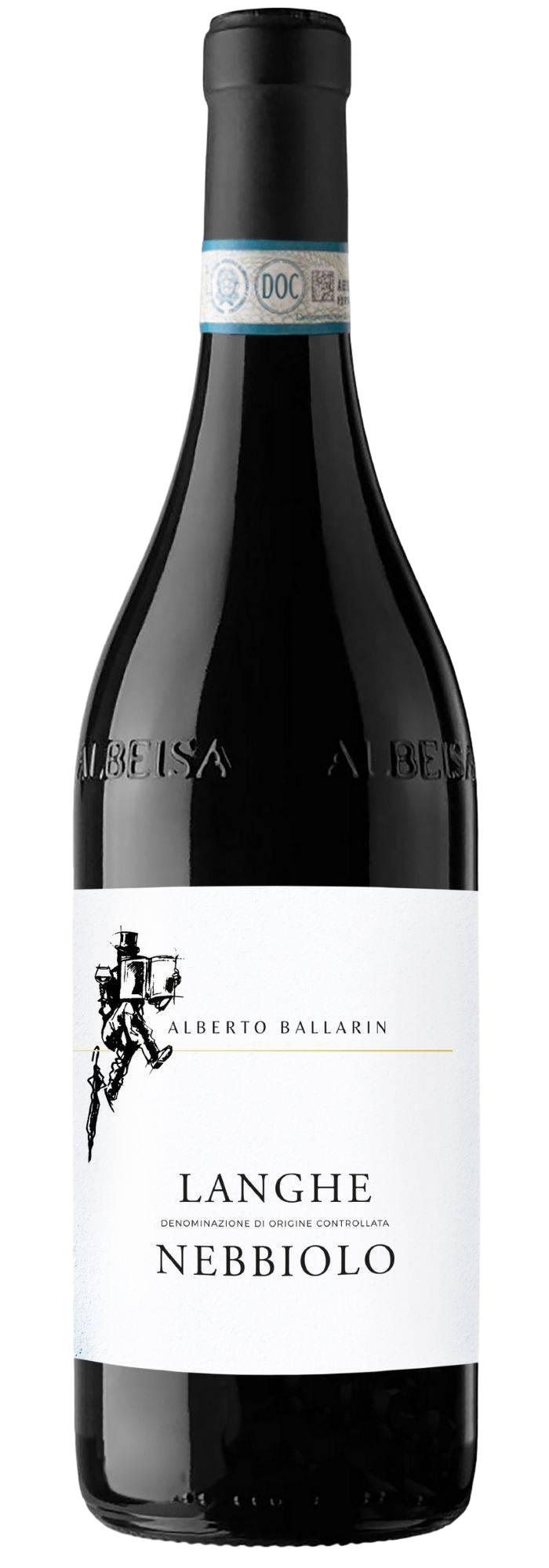
Nebbiolo has a reputation for big, tannic wines, but a young Langhe Nebbiolo is a different animal: light on its feet, scented with sage and rose, with tannin soft enough not to clash with the risotto's richness. It won't bring the acidity of the two whites above, so don't expect the same cutting effect. What it offers instead is an echo. The earthy, slightly roasted fruit in the glass mirrors the caramelised edges of the squash and the nuttiness of the parmesan, so the pairing works by resemblance rather than contrast.
It's an honest alternative, not a backup plan. If your table leans red, or you just want pumpkin risotto to taste a little more like autumn and a little less like dessert, pour this one.
Hopefully one of these three feels right for the pumpkin risotto you're about to serve, or just ate. It's the kind of dish that belongs on a weeknight table as easily as a Sunday one, shared with whoever happens to be sitting across from you. Reach for whichever bottle matches the mood, pour, and if you land on a favourite, tell us about it and tag us when you post the plate.
Frequently asked questions
Should I serve white or red wine with pumpkin risotto?
White is the safer and more common choice, since its acidity cuts through the buttery, creamy texture better than most reds can. That said, a light-bodied red with soft tannin, like a young Nebbiolo, can work well if it picks up on the roasted, caramelised notes of the squash instead of clashing with its sweetness.
What grape works best with pumpkin risotto?
Garganega and Carricante are both strong options because they bring citrus-driven acidity and a mineral or almond edge without heavy oak or tropical fruit that would compete with the squash. Avoid very aromatic or sweet-leaning whites, as they tend to amplify the dish's sweetness rather than balance it.
The risotto has sage and nutmeg in it, does that change the wine?
Those spices add a slightly savoury, earthy lift to the dish, which actually makes a wine with its own mineral or smoky character, like the Etna Bianco, feel even more at home. It's less of a concern than the sweetness of the pumpkin itself, which remains the main thing to balance.
Can I serve a sparkling wine with pumpkin risotto instead?
A dry sparkling wine with good acidity can work, since the bubbles cut through the creaminess in a similar way to a still white. It won't have the almond or mineral depth the dishes below bring, so it's a lighter, more aperitif-style way into the same meal rather than a direct substitute.
What if one guest wants red and everyone else is having white?
Pour the Langhe Nebbiolo for that guest without worrying about the table being mismatched. Its light body and gentle tannin sit close enough to the whites in weight that nobody's dish ends up overwhelmed, red or white.
You have the ideas.
We have the perfect wine.
Tired of overthinking your wine choice? Just tell us in a few words why you need a bottle and we'll find the perfect wine in under a minute.