
Catalonia, Spain's rising wine region

Less famous internationally than Rioja or Ribera del Duero, Catalonia is nonetheless the region that produces the greatest diversity of great wines in Spain. Driven by a new generation of winemakers, it also leads the country in organic wine and regenerative viticulture.
No fewer than twelve controlled appellations share the terroirs here, from the powerful reds of Priorat to the saline whites of the coast, via Cava, that Catalan sparkling wine born to celebrate. We're taking you on a tour of Catalan wines, from their history to our favorite estate, Alta Alella.
History and wine culture in Catalonia
Catalonia's wine history goes back more than 2,500 years. The Phoenicians, then the Greeks, landed their amphorae on the Empordà coast from the 6th century BCE. The Romans took over and planted vines extensively in the Tarragona–Lleida–Barcelona triangle. Catalan wines then circulated throughout the empire.
In the Middle Ages, monastic orders kept the flame alive. The Cartoixa d'Escaladei, founded in 1194 by Carthusian monks from Provence, planted vines in a steep valley of black slate: this was the birth of Priorat. For seven centuries, the Carthusians produced a dense, powerful wine prized by the kings of Aragon.
The 19th century changed everything. In Barcelona, French champagne became fashionable. A certain Josep Raventós, from the Codorníu estate, decided in 1872 to produce a local alternative using Catalan grapes and the champagne method. Cava was born. Twenty-five years later, Freixenet followed suit and the Penedès region became the global epicenter of Spanish sparkling wine.
Phylloxera, which struck France in 1865, didn't reach Catalonia until 1879. The vineyard was devastated, then slowly replanted on American rootstocks. Planted areas were halved and many old grape varieties disappeared in favor of productive ones.
The real renaissance came in the 1980s with a key figure: René Barbier. Convinced of the potential of the then-abandoned Priorat, he bought vines in 1979 with a few friends, including Álvaro Palacios. Ten years later, the first bottles emerged. In 1992, each estate took flight and founded what are now called the mythical "Clos": Clos Mogador, Finca Dofí, Clos Erasmus, Clos Martinet, Clos de l'Obac. The international press went wild. Within a few years, Priorat became one of Spain's most expensive appellations and lifted all of Catalonia with it.
Catalan appellations
Catalonia has twelve protected designations of origin (DO and DOQ), spread across four provinces. Here are the most emblematic at a glance.
| Appellation | Vineyard | Key grapes | Style | At Tasters |
|---|---|---|---|---|
| Priorat DOQ | 2,088 ha | Garnatxa, Carinyena | Dense, mineral reds born on black slate | Not yet |
| Montsant DO | 1,800 ha | Garnatxa, Carinyena, Macabeu | The spirit of Priorat, softer and more affordable | Not yet |
| Penedès DO | 2,500 ha | Xarel·lo, Macabeu, Parellada | The most diverse: crisp whites, fine high-altitude reds | Not yet |
| Cava DO | 37,955 ha | Macabeu, Xarel·lo, Parellada | Traditional method sparkling, from dry to Gran Reserva | Yes |
| Empordà DO | 2,000 ha | Carinyena, Garnatxa | Reds tensed by the Tramontane, natural sweet wines | Not yet |
| Alella DO | 200 ha | Pansa Blanca | Catalonia's smallest DO, saline and taut whites | Yes |
Vineyard areas from official records of INCAVI, the Catalan institute of vine and wine.
A bit of transparency: we don't yet have Priorat or Montsant in our cellar. These are the two most prestigious appellations in the region, and we'd rather wait to find the right estate at the right price than tick a box. In the meantime, the winery lists from the regulatory councils of Priorat and Montsant are the best starting point to explore on your own.
Priorat DOQ
Priorat is, along with Rioja, one of only two Spanish appellations classified DOQ (Denominació d'Origen Qualificada), the highest level in the Spanish wine hierarchy. Recognized by ministerial order as early as 1932, it nonetheless covers only 2,088 hectares of vines, staggered between 60 and 700 meters altitude. It includes eleven villages perched in the mountains south of Barcelona. The soil is unique: black slate flecked with mica called llicorella. Combined with a hot, windy microclimate sheltered by the relief, this terroir produces dense, mineral, complex reds, mainly based on Grenache (Garnatxa in Catalan) and Carignan (Carinyena or Samsó). Yields are among the lowest in Europe: often less than 6 hectoliters per hectare on old vines.

Montsant DO
Born in 2001, the DO Montsant geographically surrounds Priorat. You find the same grapes and a similar style, but on more varied soils (limestone, clay, sand) and with less slate. The wines are often more accessible, both on the palate and in price. It's the favorite appellation for wine lovers who want to taste the spirit of Priorat without breaking the bank.
Penedès DO
Wedged between Tarragona and Barcelona, the DO Penedès is the most diverse in Catalonia. It's also smaller than you'd imagine, with about 2,500 hectares claimed in its own right: a large part of its vines is declared as DO Cava. Three tiers of vineyards are layered here: the coast (warm, ideal for aromatic whites), central Penedès (rolling, home of Cava) and the high country (up to 800 meters altitude, perfect for fine reds and fresh whites). Both local grapes (Macabeu, Xarel·lo, Parellada) and international varieties (Cabernet Sauvignon, Merlot, Chardonnay) are grown here.
Cava DO
Cava is a separate appellation. Officially geographic but in reality scattered across several regions of Spain, it's overwhelmingly produced in Penedès, in the town of Sant Sadurní d'Anoia. Cava is made using the traditional method (second fermentation in bottle, like champagne), from the trio Macabeu, Xarel·lo and Parellada. The DO Cava brings together nearly 38,000 hectares of vines and 6,800 winemakers, for some 165 million bottles sold internationally each year: it's the Spanish appellation that exports the most. To navigate it, look at the mentions on the label: Cava (minimum 9 months on lees), Cava Reserva (15 months), Cava Gran Reserva (30 months). Since 2020, a "de Paraje Calificado" category rewards the best Cavas from a single site.

Empordà DO
Far to the north, on the French border, Empordà shares with Roussillon the powerful Tramontane winds and schistous soils. Concentrated reds and natural sweet wines (Garnatxa de l'Empordà) are produced here, reminiscent of neighboring Banyuls.
Alella DO
This is the smallest of the Catalan appellations, and one of the oldest: just north of Barcelona, in the Serralada de Marina natural park. Created in 1953 with nearly 1,500 hectares of vines, the DO Alella now has just over 200 today, five times less than at its inception. The granitic soil and immediate proximity to the Mediterranean Sea produce saline, taut whites, dominated by Pansa Blanca (the local name for Xarel·lo). It's also the birthplace of our favorite producer, which we'll come back to below.
Other appellations
Catalonia also includes Costers del Segre (around Lleida, inland), Conca de Barberà (on the slopes of the Tarragona hinterland, home of the rare Trepat grape), Pla de Bages (a bit north, around Manresa), Terra Alta (to the south, land of Garnatxa Blanca), Tarragona DO (the most historic, dedicated to still wines around the Roman city) and finally Catalunya DO, the umbrella appellation that allows blending grapes from across the region.
Catalan grape varieties
White grapes
Macabeu, also known as Viura in Rioja, is the backbone of Cava. It produces floral, fresh, easy-drinking whites with good aging potential when grown at altitude.
Xarel·lo is arguably Catalonia's most distinctive grape. Grown mainly in Penedès and Alella (where it's called Pansa Blanca), it produces full-bodied, structured whites marked by notes of almond, Mediterranean herbs and beautiful saline tension. It's the grape that ages best in Gran Reserva Cavas.
Parellada completes the Cava trio. It's the most delicate of the three: it likes altitude, produces light, floral, tangy wines. It brings freshness to blends.
Besides these, Garnatxa Blanca (Grenache Blanc, especially in Terra Alta), Moscatell (Muscat, for sweet wines of Empordà) and more marginally Malvasia are also grown.
Red grapes
Grenache (Garnatxa in Catalan) is the matriarch of Catalan reds. Planted on Priorat's slate, it produces concentrated, heady wines marked by black fruits and garrigue. Further inland, on less extreme soils, it delivers softer, fruitier reds.
Carignan (Carinyena or Samsó in Catalan) is the pillar of modern Priorat's identity. A tannic, acidic grape, it was long believed to produce only rustic reds. On old vines planted on llicorella, it reveals unexpected finesse and exceptional longevity.
Tempranillo, called Ull de Llebre in Catalan (literally "hare's eye"), is grown mainly in Penedès and Costers del Segre. Trepat is a rarity from Conca de Barberà that produces light reds and fresh rosés. Sumoll is an old indigenous grape that Catalan winemakers have been rediscovering since the 2010s.
On the international grape side, there's also Mourvèdre (called Monastrell in Spain), Syrah, Cabernet Sauvignon and Merlot, especially in Penedès and Costers del Segre.
Our favorite producer: Alta Alella
For our Catalan stop, we chose an estate that embodies everything most exciting in Catalonia today: respect for terroir, pursuit of purity and environmental commitment. Welcome to Alta Alella.
The estate is hidden just 8 km north of Barcelona, in the Serralada de Marina natural park. It's one of Spain's smallest vineyards, nestled between the Mediterranean Sea and the first granite hills. This singular location creates a unique microclimate: the sea breeze brings freshness and salt spray, the draining granite pushes roots to dig deep for water, and the natural park offers biodiversity that few wine estates can claim.
Alta Alella belongs to the Pujol-Busquets family. Josep Maria and Cristina founded the estate in the early 1990s and devoted their lives to it. Their daughters Mireia and Georgina grew up among the vine rows and the cellar; they're now part of the adventure. The house is distinguished by an obsession: producing pure wines, without compromise.
All cuvées come from certified organic viticulture. The family pushed the approach further with its Celler de les Aus range ("the birds' cellar"): vegan wines, no added sulfites, made with minimal cellar interventions. For Cava, Alta Alella scrupulously applies the traditional Catalan method and uses only estate grapes — which is surprisingly rare in Cava, where most major brands buy their grapes in bulk.
The result? A coherent, readable range, recognizable from the first nose. Cutting, saline Cavas, taut whites, a gastronomic rosé, Mediterranean reds that never seek heaviness. Exactly the style of wines we love introducing you to.

Our Alta Alella favorites
We've selected four cuvées that form a coherent tasting through the estate's range, from Cava to red.
AUS Bruant, our favorite Cava
If you had to keep just one, this would be it. AUS Bruant comes from the Celler de les Aus range: 100% Xarel·lo, traditional method, aged on lees, no added sulfites and vegan. On paper, it's total purity. In the glass, it's even better: fine bubbles, aromas of white fruits and dried herbs, a taut, saline palate that takes you straight back to the Mediterranean Sea where the grapes come from. Proof that a sulfite-free Cava can reach a level of precision that no entry-level champagne can offer.
Nature
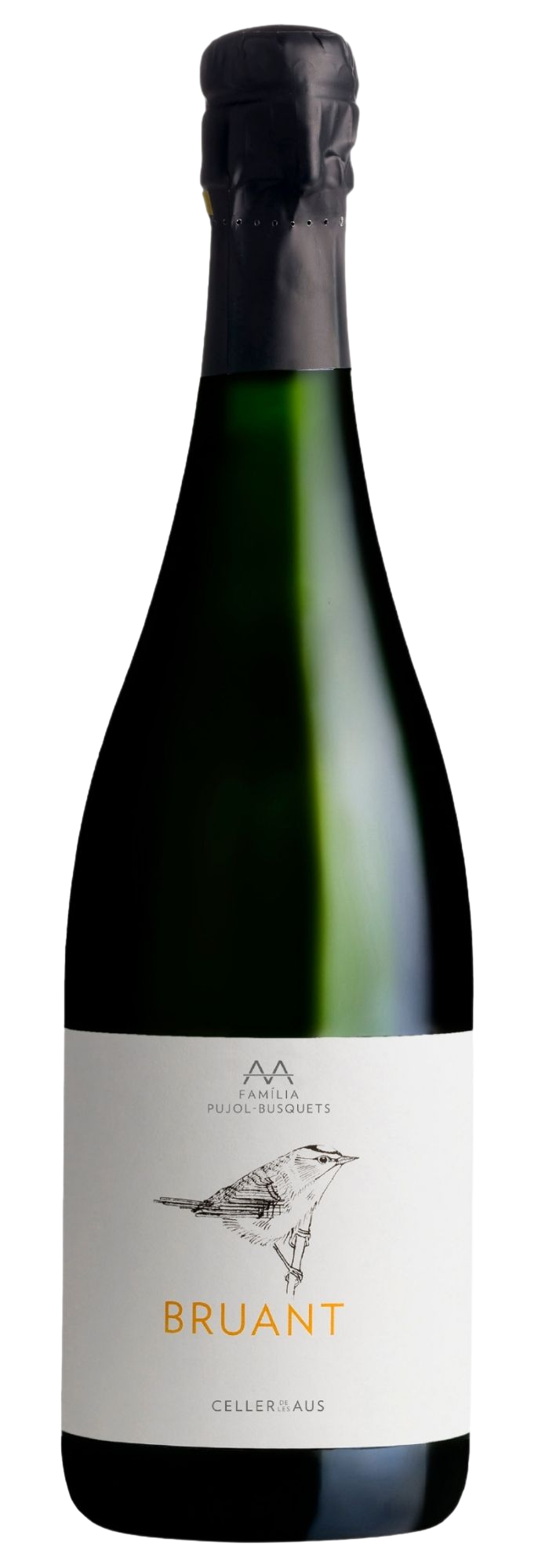
Spain • Catalonia • Cava DO
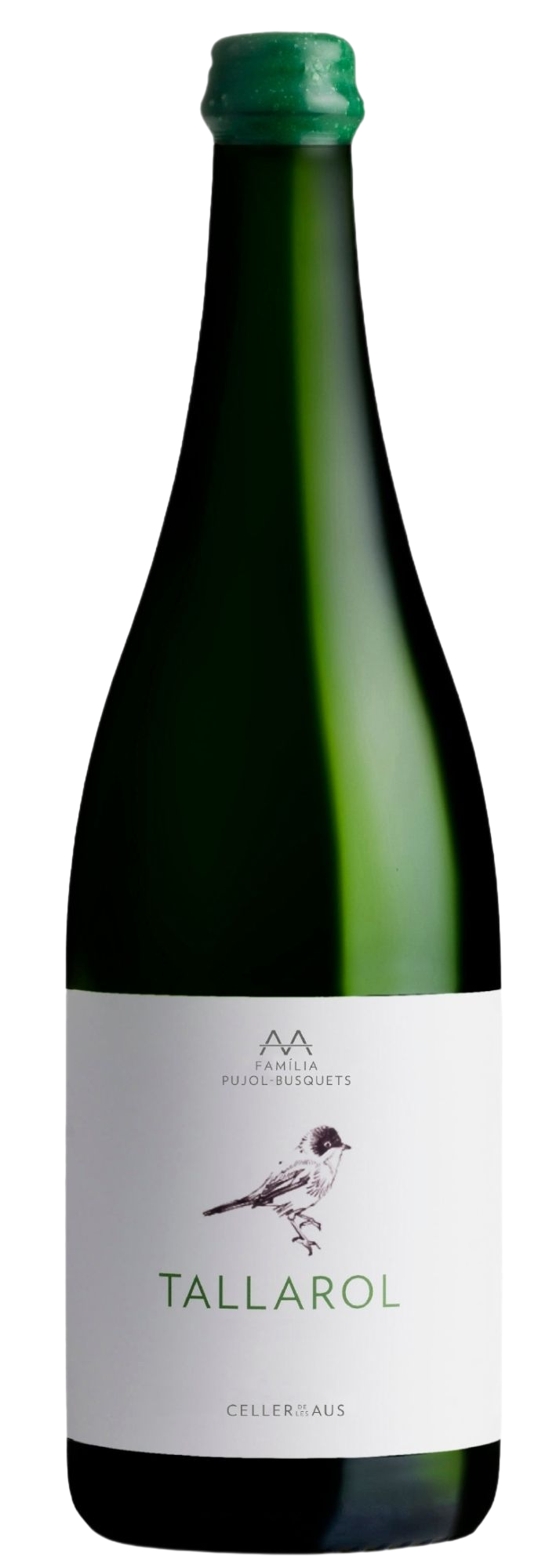
Tallarol, the quintessential Mediterranean white
Tallarol (named after a small bird in Catalan, like all cuvées in this range) is a still white made from 100% Pansa Blanca. Vinified without wood, it offers a direct expression of the Alella terroir: floral and iodine nose, fresh palate, long saline finish. It's one of the best value-for-money wines in our cellar for a gastronomic white. Perfect with grilled fish, seafood or simply as an aperitif with a bit of Iberian ham.
Nature
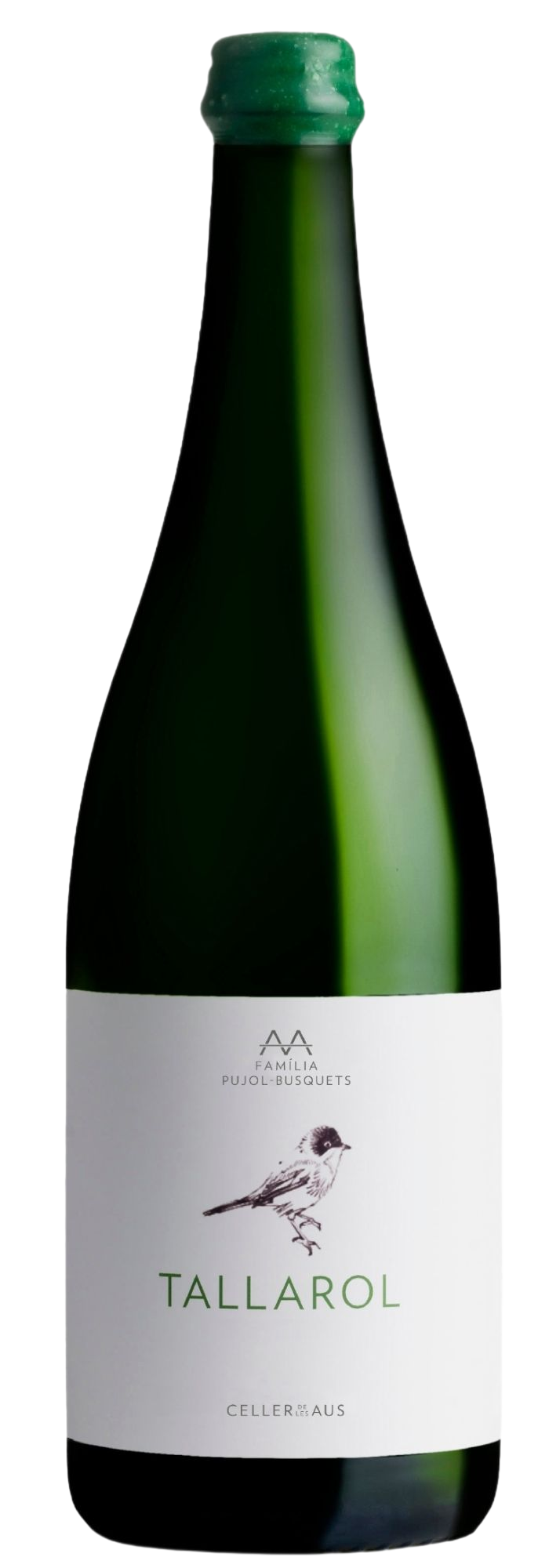
Spain • Catalonia • Alella DO
Laietà Rosé Gran Reserva, the rosé that changes everything
Forget the syrupy rosé you drink by the pool. Laietà is a gastronomic rosé, made like a great cava: traditional method, aging on lees for at least 30 months, 100% Mourvèdre. The result is a sparkling rosé of rare elegance, with notes of wild strawberry, pink grapefruit and brioche. The kind of bottle that can accompany an entire meal, from starter to dessert.
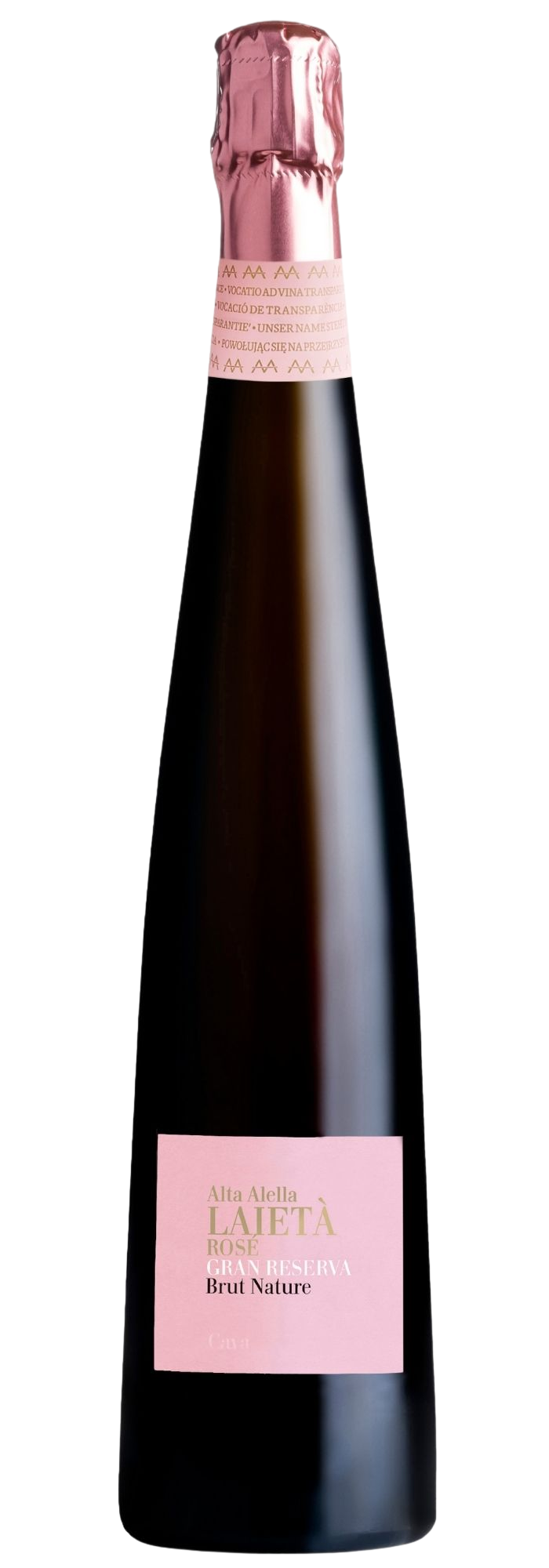
Spain • Catalonia • Cava DO
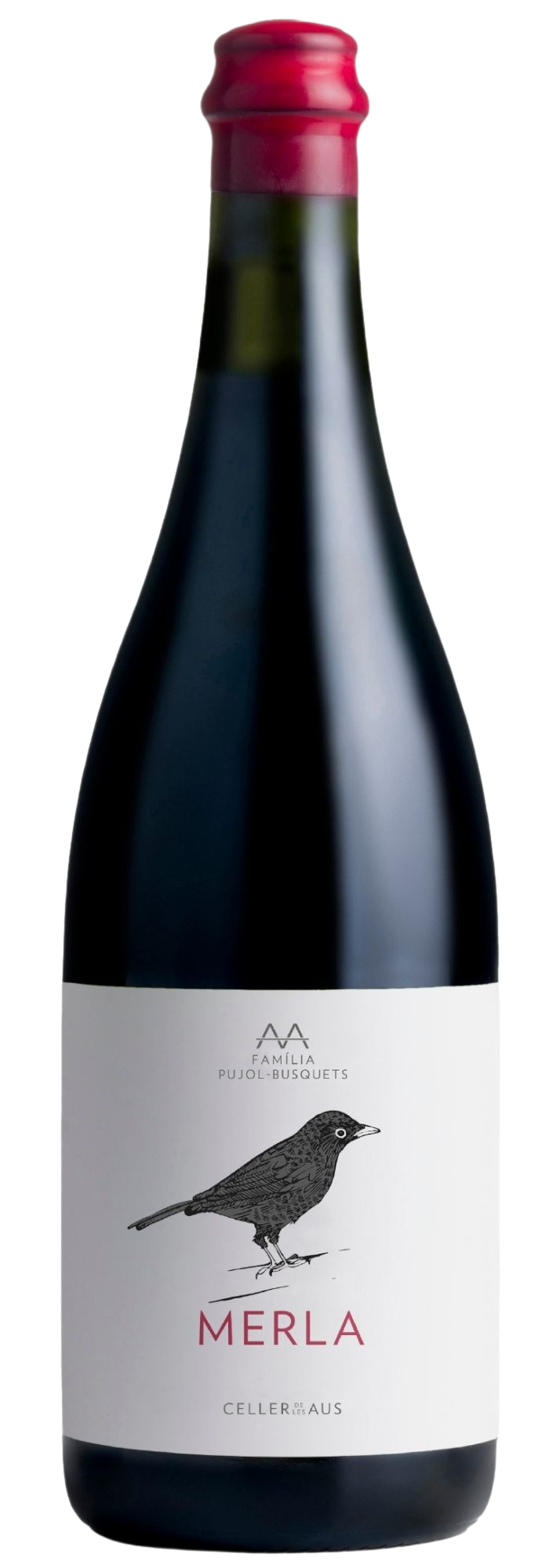
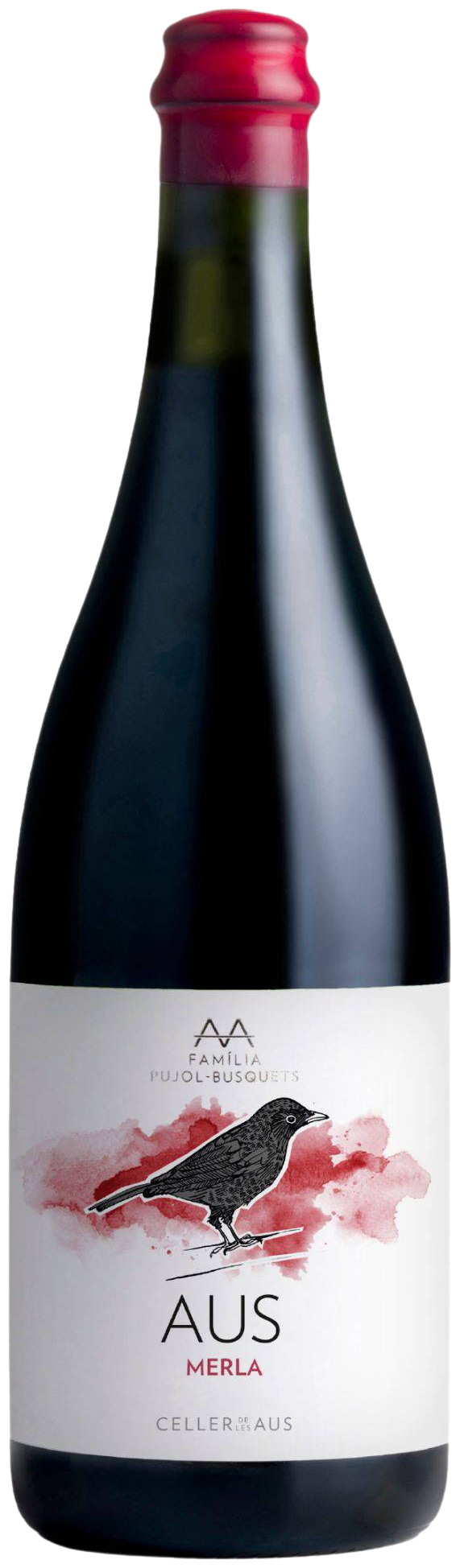
AUS Merla, the uncompromising red
AUS Merla completes the Celler de les Aus range on the red side. 100% Mourvèdre, vinified without added sulfites, without fining and without filtration. The color is deep, the nose bursts with black fruits, pepper and garrigue. The palate is dense but never heavy: fine tannins, acidity that tightens the whole, and that saline signature that returns in every estate cuvée. A modern Mediterranean red, both generous and precise.
Bio
Nature
Spain • Catalonia • Alella DO
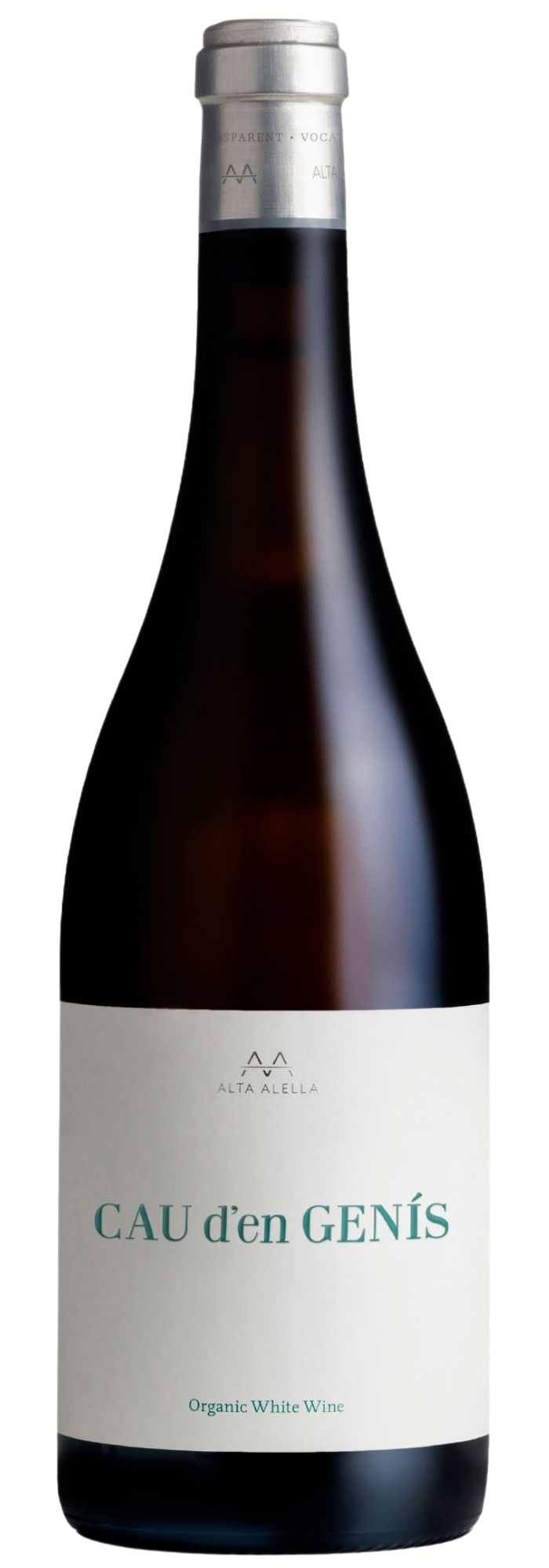
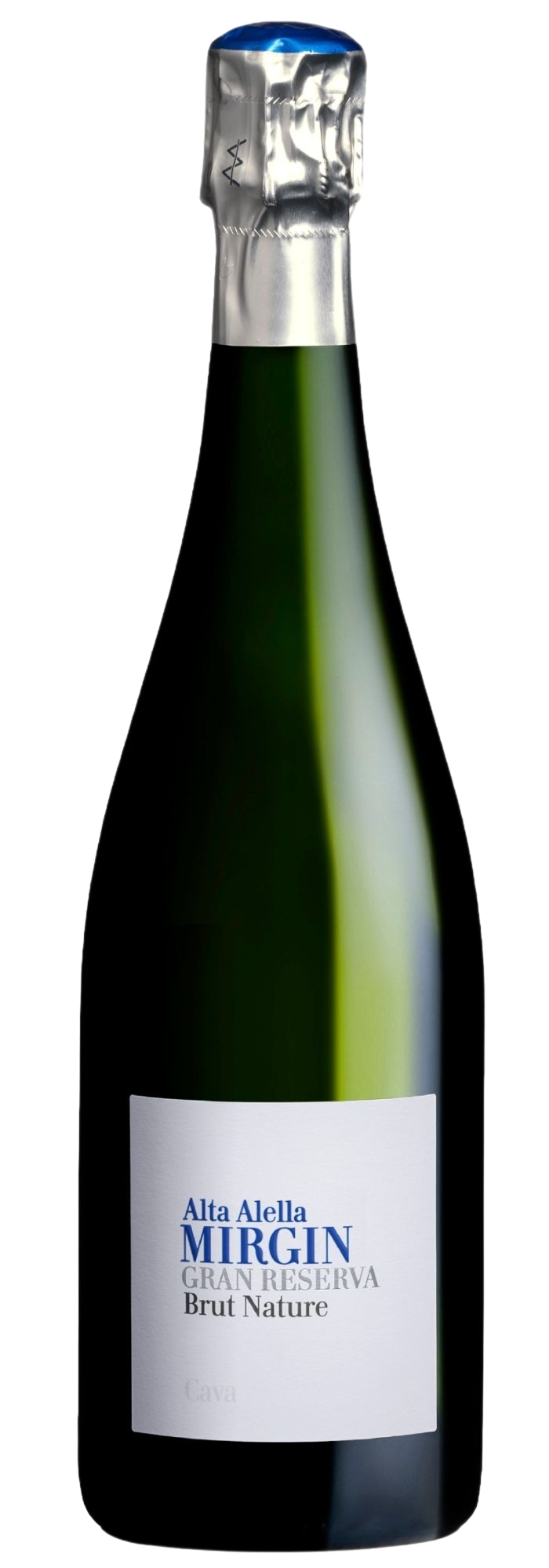
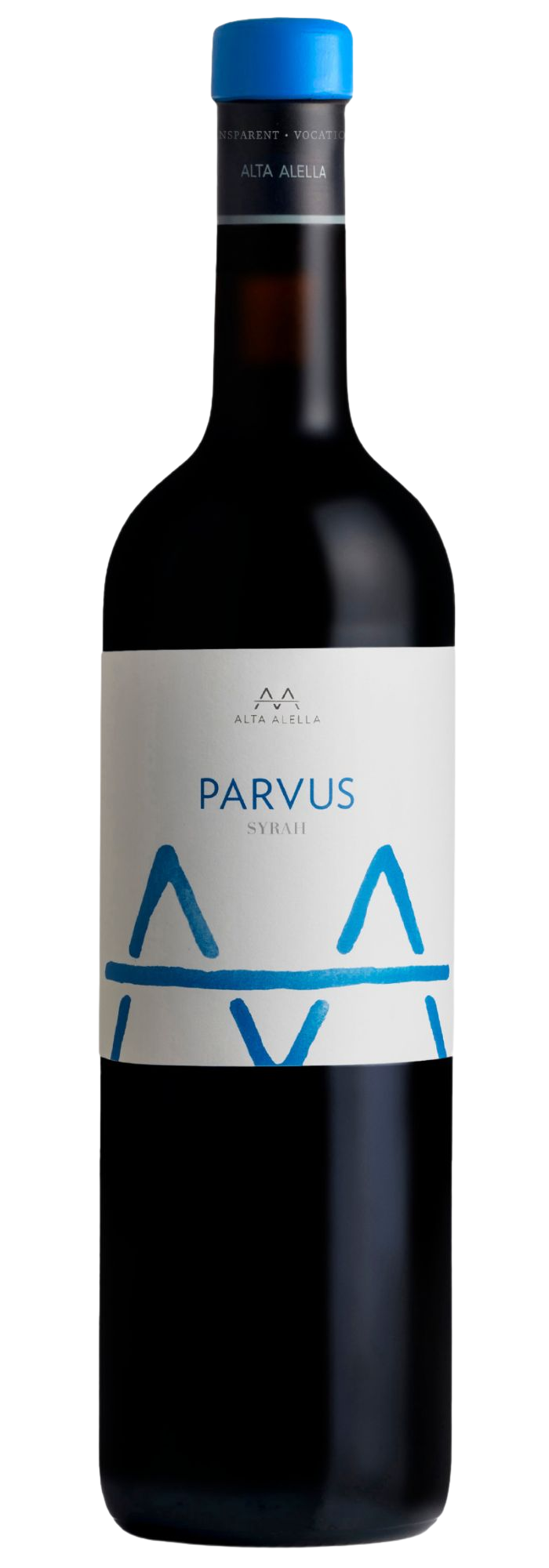
The rest of the range is also worth exploring: the Cau d'En Genís cuvée (single-vineyard white), Mirgin Gran Reserva (long-aged Cava) and Parvus Syrah (more accessible red). Ask us for advice to compose your case.
Catalan food and wine pairings
Catalan cuisine is one of Spain's most inventive. Here are some ideas for pairing our Catalan wines with local dishes or Mediterranean cuisine.
Aperitif and tapas
Pa amb tomàquet (bread rubbed with tomato, oil and salt), Iberian ham, fuet (Catalan dry sausage), marinated olives and aged cheeses call for a dry Cava or a taut white. AUS Bruant and Tallarol are perfect to start things off. To dig deeper, we have a dedicated guide to charcuterie and aperitif.
Rice and paella
Paella, fideuà (paella with short pasta) and arròs negre (rice with squid ink) require a wine that can handle saffron and seafood. A gastronomic rosé like Laietà or a structured white works wonders. See our dedicated guides to paella and more broadly to pasta and rice.
Grilled vegetables and calçots
Escalivada (peppers, eggplants and onions grilled over wood fire) and especially calçots (young sweet onions grilled, dipped in romesco sauce) are staples. A mineral white like Tallarol, or a red light in tannins, underlines the sweetness of smoked vegetables. Get inspired by our grilled vegetables guide.
Fish and seafood
Suquet de peix (Catalan fish stew), Palamós prawns, Escala anchovies and grilled calamari call for a taut, saline white. Tallarol or AUS Bruant are on home ground. Discover our suggestions for seafood and fish.
Meats and braised dishes
Roast lamb, garlic kid, duck with pears (ànec amb peres) and braised beef require a structured red. An AUS Merla, a Priorat or a Montsant do the job perfectly. For hot charcuterie like chorizo, check our chorizo pairing.
Desserts
Crema catalana (cousin of crème brûlée), panellets (small almond cakes for All Saints' Day) and mel i mató (fresh cheese with honey) pair with a sweet wine or a demi-sec Cava. To explore further, consult our desserts guide.
Continue the journey through Spain
Catalonia is just a gateway to wine Spain. If you enjoyed the precision of Priorat and the freshness of Alella, continue your Iberian exploration with our other guides.
Head west to the Ebro basin to discover Rioja, birthplace of Tempranillo and the Spanish tradition of barrel aging. Further north, Navarre plays between Atlantic and Mediterranean influences, with a still little-known diversity of styles. And keep your eyes open: the Iberian Peninsula has dozens of appellations to explore, from Bierzo to the marine whites of Rías Baixas via the powerful reds of Ribera del Duero. We're gradually adding them to our cellar and guides, step by step.
Want to be guided through Catalan wines and their Iberian neighbors? Our Tasters Explorer subscription sends you a case of commented discoveries each month, with a complete stop dedicated to Spain. Boarding now.
Catalonia: Discover our wines
Bio
Nature
Alella DO
Alella DO
Nature
Alella DO
Cava DO
Nature
Cava DO
Alella DO
Nature
Alella DO
Alella DO