
Rioja, wines between tradition and modernity

The history of wine in Rioja
Rioja's winemaking history goes back to Roman times, but it's really in the 19th century that the region takes off. When phylloxera ravages the Bordeaux vineyards in the 1860s, many French winemakers cross the Pyrenees to settle in northern Spain, bringing with them their winemaking techniques and especially the systematic use of oak barrels. This French influence will shape the identity of Rioja wines for centuries to come.
In 1926, Rioja becomes the first region in Spain to obtain a Denominación de Origen, before being promoted in 1991 to DOCa (Denominación de Origen Calificada), the highest distinction in the Spanish system, shared only with Priorat. This official recognition crowns decades of efforts to raise quality and protect the region's reputation.
Today, with around 65,000 hectares of vineyards and over 600 bodegas, Rioja is Spain's showcase to the international wine world. It produces about 30% of all Spanish wine exports. But be careful: this fame is a double-edged sword. The region has long suffered from overproduction and characterless industrial bottles that tarnished its image, especially in supermarkets. Fortunately, a new generation of producers is rewriting the story, focusing on old vines, exceptional parcels and more precise winemaking.

Rioja's sub-zones
Rioja is not a uniform block. The region is divided into 3 sub-zones with distinct characters, and knowing them will help you better understand what's in your glass.
Rioja Alta
Rioja Alta, located in the west of the region around the town of Haro, is the historic birthplace of great Rioja wines. The altitude is higher here (between 400 and 700 meters), the climate cooler and the soils dominated by limestone and clay. This is where the most prestigious bodegas are concentrated, in the legendary Barrio de la Estación in Haro, where López de Heredia, La Rioja Alta S.A. and Muga sit just meters apart. The wines are refined, structured, with well-defined acidity and remarkable aging potential.
Rioja Alavesa
On the other side of the Ebro, in Basque territory, Rioja Alavesa is the smallest of the 3 sub-zones but often considered the most elegant. The limestone and chalky soils, combined with Atlantic influence, produce wines of great finesse, perfumed and silky. It's a bit like Rioja's Côte d'Or: often small parcels, a very detailed attention to terroir and wines that favor subtlety over power.
Rioja Oriental
Formerly called Rioja Baja, Rioja Oriental is the largest territory of the appellation. The climate is noticeably warmer and drier, with a marked Mediterranean influence. The soils are rich in iron and clay. This is historically Garnacha territory, which thrives in the heat, and home to the region's most full-bodied and sun-drenched wines.
It's also, let's be honest, the territory where mass production has been most prevalent, with large cooperatives focused on volume rather than quality. But things are changing: more and more winemakers are carefully working their old Garnacha vines, and some of the most exciting modern Rioja wines come from here. In fact, it's in Rioja Oriental, on the slopes of the Yerga mountain, that you'll find our favorite bodega, Bodegas D. Mateos.

The classification system: from Joven to Gran Reserva
To navigate the Rioja wine jungle, just look at the label. The classification system is based on the length of aging in barrel and bottle, which gives you a valuable clue about the wine's style.
Joven (young) is a wine that sees little or no barrel aging. Long considered Rioja's poor relation, Joven is experiencing a real renaissance thanks to producers who focus on pure fruit, freshness and drinkability. If you're looking for a light and spontaneous Spanish wine, this is where to start.
Crianza is the first official aging level. The wine spends at least 12 months in oak barrels (versus 6 for the rest of Spain), plus an additional year at the bodega before release. The oak is present but discreet, and the fruit remains front and center. This is often Rioja's quality-price sweet spot.
Reserva takes aging a step further: minimum 12 months in barrel, then 24 additional months of maturation (in casks or bottles) before release. The aromas become more complex, the tannins rounder and you start to sense tertiary notes (leather, tobacco, sweet spices). If you like wines with depth, this is where it gets serious.
Gran Reserva is the top of the pyramid. It requires at least 24 months in barrel and 36 months of additional maturation, for a minimum of 5 years total aging before release. This designation can only be used for vintages deemed exceptional by the Consejo Regulador. We're talking about long-aging wines, complex and deep, that can evolve in the cellar for 20 years and more.
In summary: if you're looking for fruity aromas, spontaneity and lightness, head toward Joven or Crianza. If you like complexity, well-formed tannins and aging aromas, Reserva and Gran Reserva are for you.

Rioja's grape varieties
Tempranillo
Tempranillo is the undisputed king of Rioja. It represents about 80% of the region's red grape plantings and forms the backbone of the vast majority of blends. Its name comes from "temprano" (early in Spanish), because it ripens earlier than most Spanish red grapes.
Tempranillo produces deep wines, with generous body and supple tannins. It's naturally low in acidity, which makes it very easy to enjoy, even for those starting out with Spanish reds. It reflects its terroir remarkably well: in Rioja Alta, it will be finer and more structured; in Rioja Oriental, rounder and more sun-filled. Aged in barrel, it develops characteristic notes of red and black fruits, tobacco, spices, leather and vanilla that make Rioja's signature.
Garnacha
Garnacha (Grenache on the other side of the Pyrenees) is Rioja's second red grape, particularly widespread in Rioja Oriental where the heat suits it perfectly. It produces fruity and spicy red wines, with notes of raspberry, peppermint and warm spices. Lighter and more immediately seductive than Tempranillo, it's often used in blends to bring roundness and fruit, but it also shines as a single variety on old vines in Rioja Oriental.
Graciano and Mazuelo
Graciano and Mazuelo (Carignan in southern France) are Rioja's complementary grapes. Grown in small quantities, they often enter blends with Tempranillo to bring acidity, color and aromatic complexity. Graciano, in particular, is very aromatic and brings welcome tension to Tempranillo-rich blends. It has been cultivated since Roman times in the region and is experiencing renewed interest in recent years.

Rioja whites
Rioja also produces whites, mainly based on Viura (Macabeo), sometimes blended with Malvasía or Garnacha Blanca. These wines are generally fermented and aged in stainless steel tanks for a fresh and fruity style, although some traditional bodegas produce barrel-aged white Riojas that can age beautifully. López de Heredia's Viña Gravonia is the most famous example: a white Rioja aged 4 years in barrel that defies all conventions.
Portrait of Bodegas D. Mateos, our Rioja winery
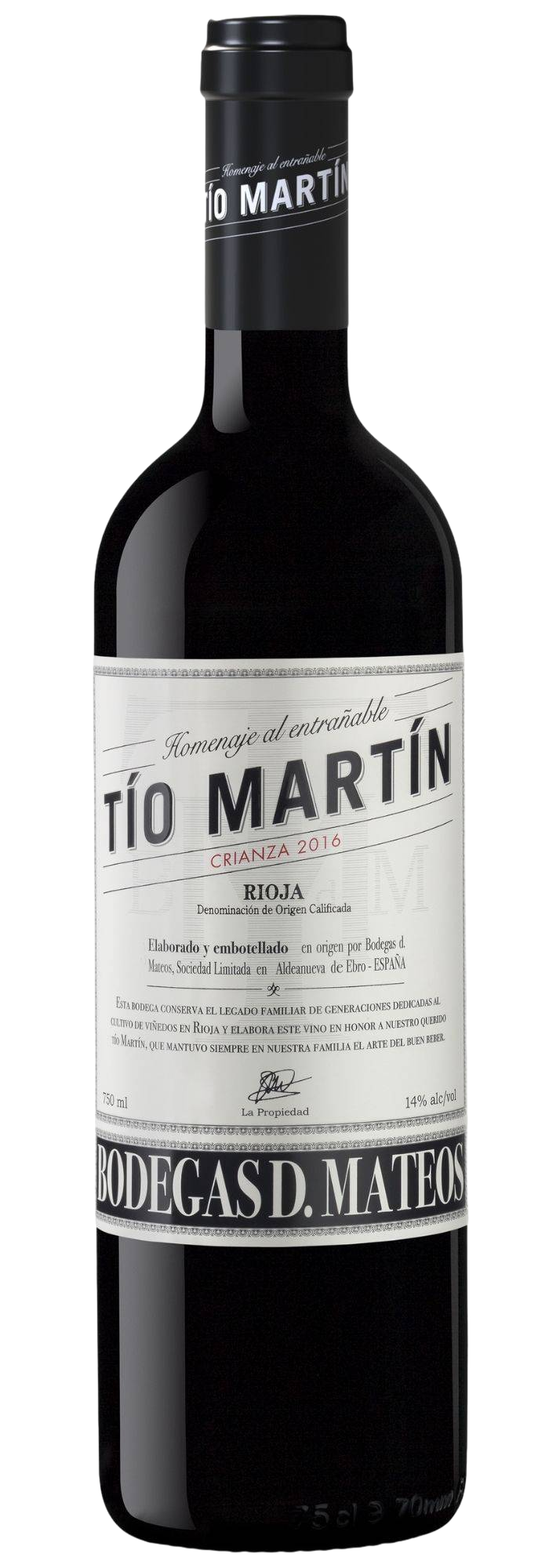
On Tasters, Rioja is represented by Bodegas D. Mateos, a family winery located in Aldeanueva de Ebro, in the heart of Rioja Oriental, on the slopes of the Yerga mountain.
The story goes back to 1886, when a small family vineyard was born. But it would take 100 years and 7 generations for the estate to truly take off. Driven by an entrepreneurial spirit and a unique passion for their terroir, the Mateos family has developed a winery that seeks to convey emotions through each bottle.
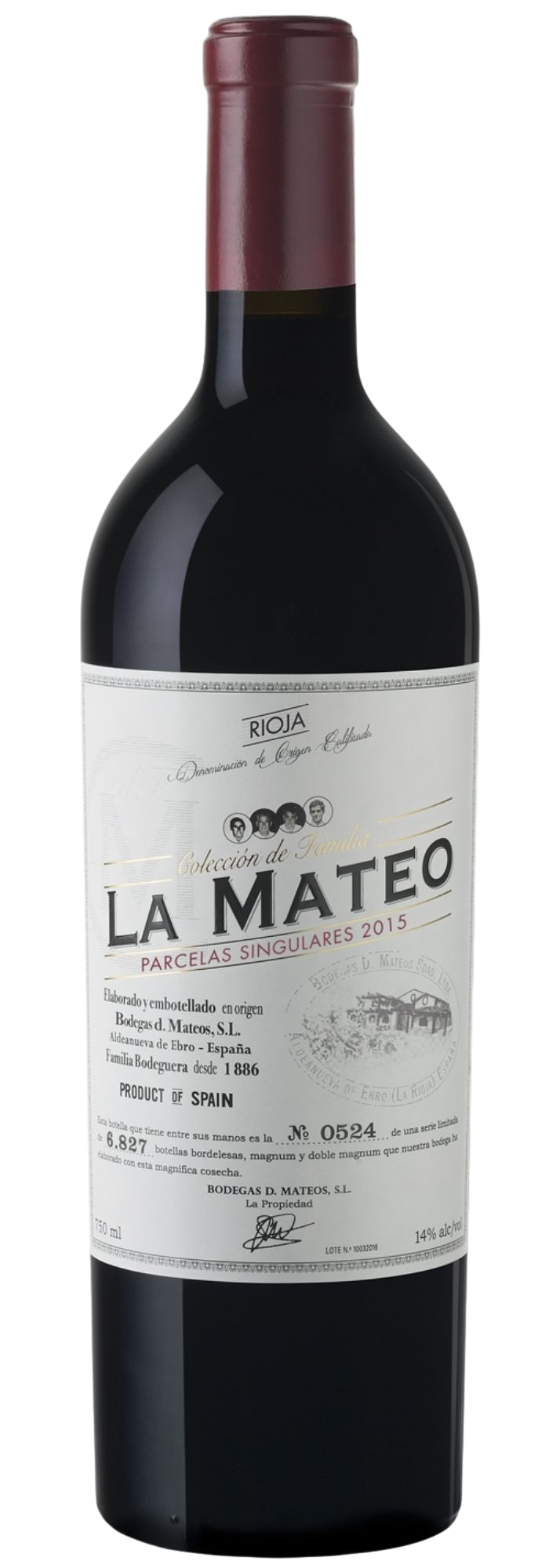
With its signature range La Mateo, the winery pays tribute to the work of previous generations and measures the journey accomplished. With Letargo, Bodegas D. Mateos offers an accessible and delicious Crianza that proves Rioja Oriental can produce characterful wines at gentle prices. And with the IN range, the winery explores new trends and seeks to innovate to offer a fresh and modern product.

Other great Rioja houses
Bodegas D. Mateos is obviously not alone in writing Rioja's history. You can't talk about the region without mentioning 3 other houses that each embody, in their own way, Rioja excellence.
López de Heredia is probably Rioja's most mythical bodega. Founded in 1877 in Haro, it has changed practically nothing in its methods for over a century: fermentation in large oak vats, extremely long barrel aging (sometimes over 10 years for Gran Reserva) and legendary patience before release. Their Viña Tondonia cuvées, in both red and white, are considered monuments of Spanish wine heritage and regularly collect scores above 95 from Robert Parker.
La Rioja Alta S.A., also founded in 1890 in Haro, embodies the classic elegance of Rioja Alta. Their Viña Ardanza, a blend of Tempranillo and Garnacha aged 3 years in barrel, is one of the most appreciated Reservas in the world, regularly awarded at the Decanter World Wine Awards. And their 904 Gran Reserva is simply one of Spain's greatest wines, capable of aging 30 years without flinching.

Bodegas Muga, founded in 1932 in Haro (still in the famous Barrio de la Estación), is the family house par excellence. Their particularity: the Mugas make their own oak barrels in their integrated cooperage, a unique fact in Spain. The Torre Muga and Prado Enea Gran Reserva are must-haves that collect scores above 95 from James Suckling and Robert Parker.
Zoom on our Rioja wines
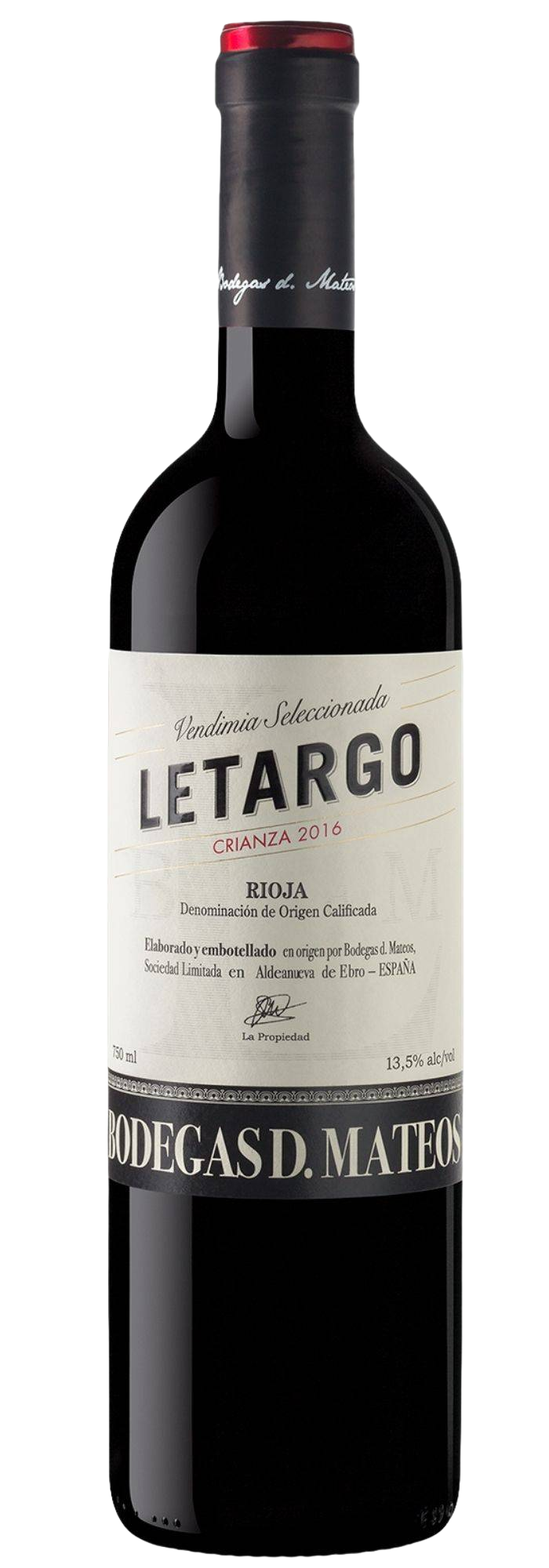
Letargo Crianza 2021, the ideal entry point
Letargo is Bodegas D. Mateos' classic entry-level cuvée, a blend of Tempranillo, Garnacha, Graciano and Mazuelo aged 12 months in oak barrels. This is a Rioja Crianza by the book, at a price that defies all competition.
This bright ruby red seduces from first sight. On the nose, you're greeted by enveloping aromas of licorice and stewed fruits (dried apricots, plums, cherries), which blend harmoniously with woody notes of vanilla, roasted coffee and sweet spices. On the palate, this is a wine with character: long and full-bodied, with marked acidity that balances everything. The flavors of prunes and aging aromas (vanilla, toasted bread) give way to a savory, sweet and mineral finish.
An amazing quality-price ratio to bring out with a game dish, lamb or a platter of Iberian products.
Spain • Rioja • Rioja DOCa
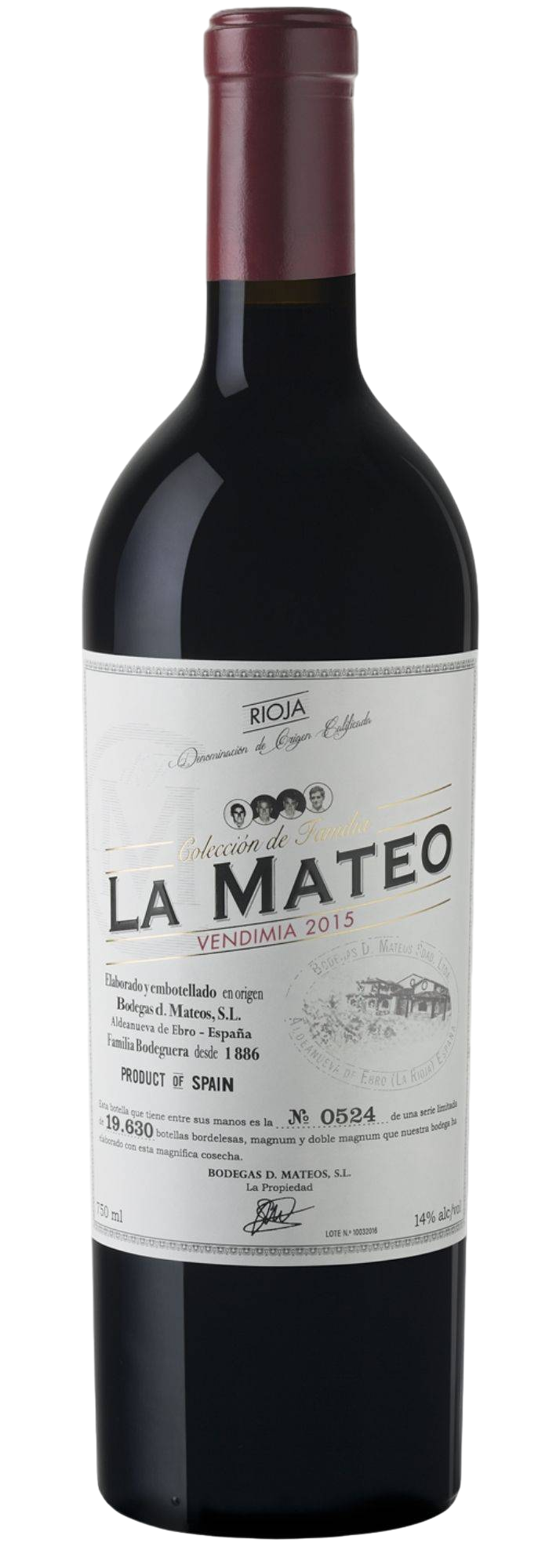
La Mateo Vendimia 2022, the winery's flagship
La Mateo Colección de Familia Vendimia is Bodegas D. Mateos' signature cuvée, a blend of Tempranillo, Garnacha and Graciano from the best family parcels. This is the wine that embodies the perfect balance between Spanish tradition and modern freshness.
Its brilliant ruby red robe reveals a generous bouquet where blackcurrant and ripe black fruits dance with notes of spices and subtly toasted wood. On the palate, the harmony is total: the texture is creamy, the tannins well integrated and the balsamic finish stretches out long. This is a wine that impresses with its complexity while remaining immediately pleasant, the kind of bottle that can convert those resistant to Spanish wines.
Perfect to accompany a beautiful grilled beef cut, a rack of lamb with herbs or simply to showcase Rioja's quality around a table with friends.
Spain • Rioja • Rioja DOCa
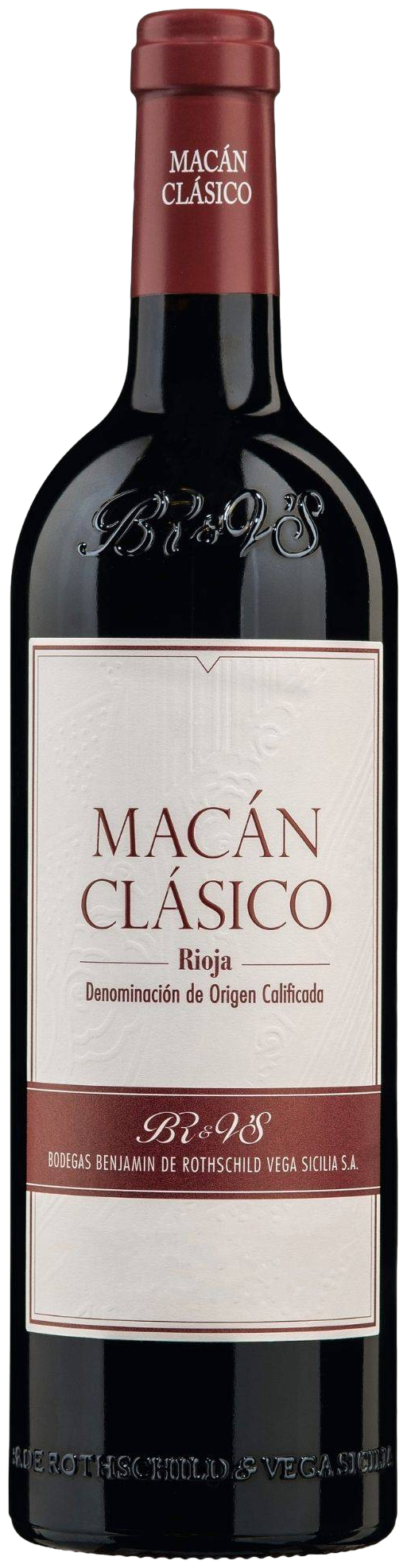
Macán Clásico 2020, the prestige choice
For special occasions, we suggest Macán Clásico 2020, the fruit of collaboration between two wine world legends: the Benjamin de Rothschild family (Château Clarke, Château des Laurets) and Vega Sicilia, Spain's most mythical bodega. Made exclusively from Tempranillo from selected parcels in Rioja Alta and Rioja Alavesa, this is a wine that embodies the power and elegance of modern Rioja.
On the nose, aromas of ripe plums blend with fascinating toasted notes of chocolate with nuts and gingerbread. On the palate, the texture is velvety and captivating, with rare complexity where sweet fruits meet chocolate nuances and persistent touches of plums. The finish is long, silky and of a depth that invites meditation.
A wine made for exceptional moments: a roasted rack of lamb with herbs, duck breast with figs or a porcini risotto. Decant it an hour before serving between 16 and 18°C to release all its aromas.
Spain • Rioja • Rioja DOCa
Rioja food and wine pairings
Rioja is a region of gastronomy as much as wine, and its bottles are made for the table. The key is to match the wine's aging level with the dish's intensity.
Joven and Crianza, with their crisp fruit and discreet oak, pair beautifully with everyday dishes: a charcuterie-topped pizza, varied tapas, a platter of jamón ibérico and manchego, or roasted chicken with spices. Their relative freshness also makes them surprising companions for a shrimp Pad Thai, where the wine's spicy notes respond nicely to Asian flavors.
Reserva and Gran Reserva, with their complexity and melted tannins, call for richer dishes: a roasted rack of lamb, duck breast, game in sauce, a butternut squash risotto or a spiced beef stew. Their vanilla and oaky side also works surprisingly well with a creamy butter chicken, a pairing that surprises but converts.
For a classic Spanish pairing, paella and young Tempranillo form a sunny and obvious couple. And with cheese, hard sheep's milk cheeses (aged manchego, smoked idiazábal) are natural partners for Reserva and Gran Reserva.
Continue your exploration of Spanish wines
Rioja is just the beginning of your Spanish adventure. If you loved Tempranillo's elegance, head to Ribera del Duero to see what this same grape does in a more extreme continental climate.
For a completely different style, Bierzo and its Mencía will offer you finer, more Atlantic reds, almost Burgundian in their approach. Further east, Catalonia holds Priorat, Cavas and a unique wine playground. And if you like characterful wines at gentle prices, Navarre is worth the detour with its reds and rosés full of vivacity.
For an overview of the country and all the regions we cover, go through our guide to Spanish wines. And if you want to taste Rioja rather than read the theory, subscribe to Tasters Explorer to receive our selections at home and discover the taste of adventure.
Rioja: Discover our wines

Rioja DOCa
Rioja DOCa
Rioja DOCa
Rioja DOCa
Rioja DOCa
Rioja DOCa