

Desserts share one thing above everything else: sugar. That sugar changes how a wine tastes next to it. A dry wine poured after a sweet dish will suddenly taste thin and sharp, even if it was generous a moment earlier on its own. The sugar in the dish resets the scale, and the wine has to meet it rather than fight it.
Beyond the sugar, each dessert brings its own texture and fat. Some are dense and buttery, some are airy, some carry spice or dried fruit, some carry real bitterness from cocoa. That texture decides how much weight and how much acidity the wine needs to keep the pairing lively instead of heavy. A wine that just matches the sweetness but ignores the texture ends up dull on the palate, even if the sugar level looks right on paper.
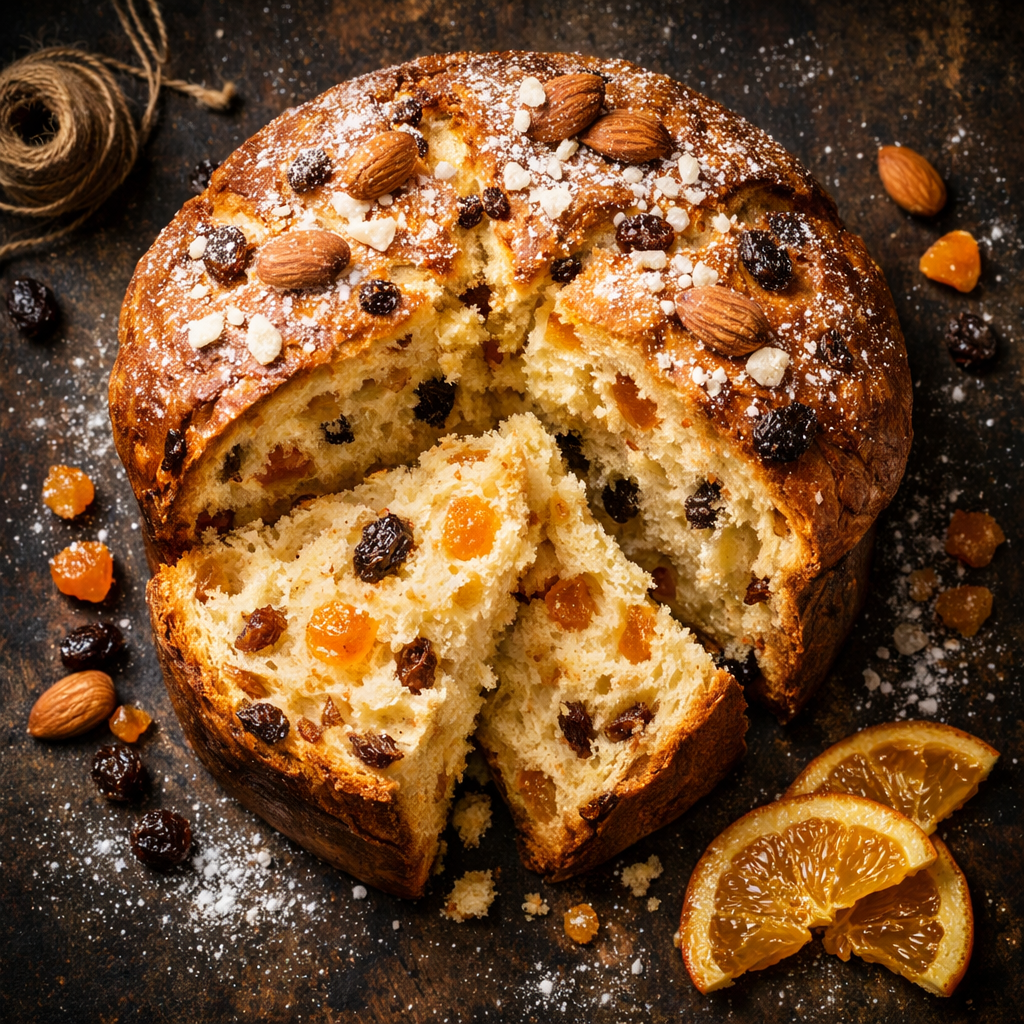
The dishes below each get their own answer, because a spiced bread, a spiced custard in a crust, and a dark cocoa dessert ask for different things from a glass. What follows here is the general idea. What follows on each page is the specific one.

Frequently asked questions
Does the wine need to be sweeter than the dessert
As a rule, yes. If the dish is sweeter than the wine, the wine tastes stripped and sour right after you taste the food. It does not need to be a lot sweeter, but it should never be drier than what is on the plate.
Can a dry wine ever work with dessert
It can, but only when the dessert itself is not very sweet, or when something else in the glass, like fine bubbles or a touch of oak spice, does the work that sugar usually does. It is the exception rather than the starting point.
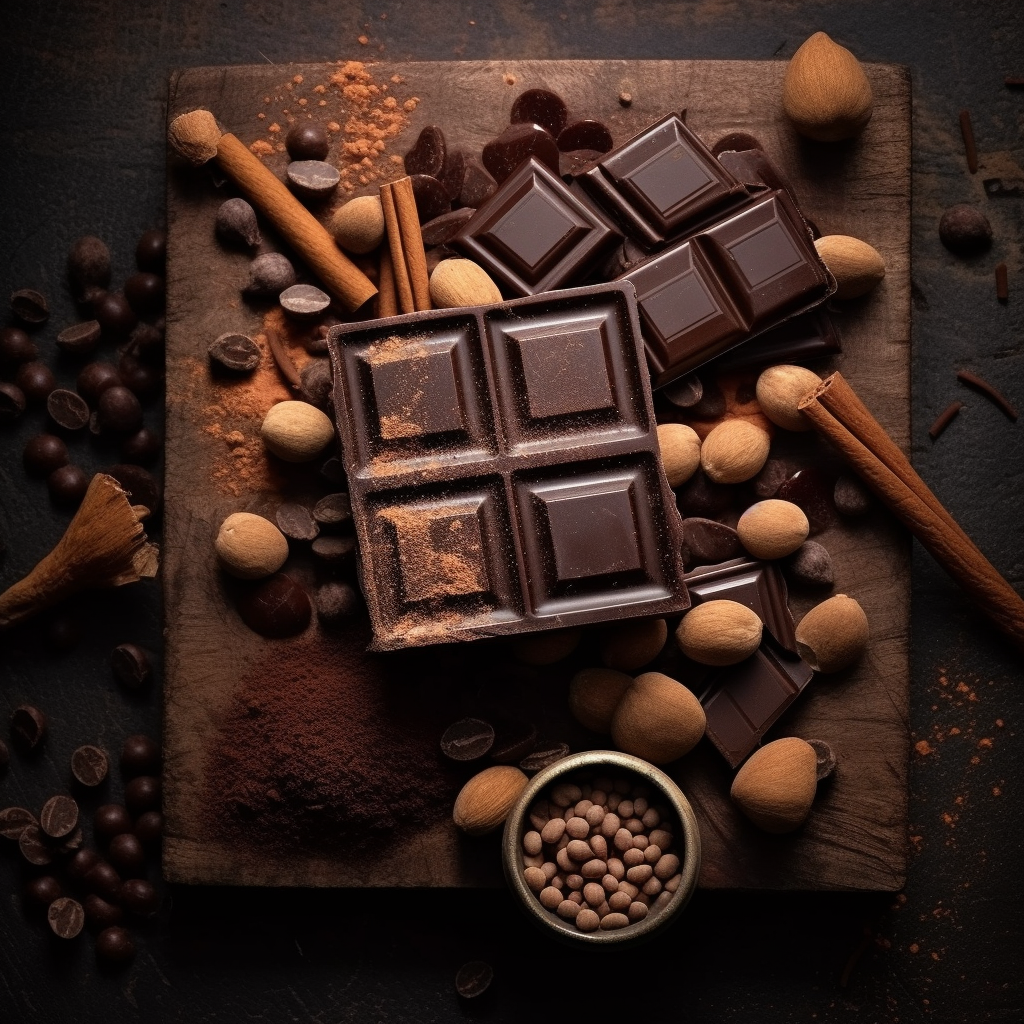
Why is chocolate harder to pair than other desserts
Cocoa brings real bitterness and a heavy, coating texture, which is different from the fruit or spice you get in a baked dessert. A wine that reads as elegant elsewhere can suddenly taste hollow next to dark chocolate, so this one gets treated on its own page below.
Should the wine be served cold for dessert
Most dessert wines taste better slightly cooler than a still dry white, because the cold keeps the sweetness from feeling heavy. Room temperature tends to push the sugar forward and flatten the wine's acidity.
Is one wine enough for a table with several desserts
If the desserts are close in style, one glass can carry the whole course. Once you mix something rich and buttery with something built around cocoa, it is worth pouring two, because no single bottle handles both well.
You have the ideas.
We have the perfect wine.
Tired of overthinking your wine choice? Just tell us in a few words why you need a bottle and we'll find the perfect wine in under a minute.