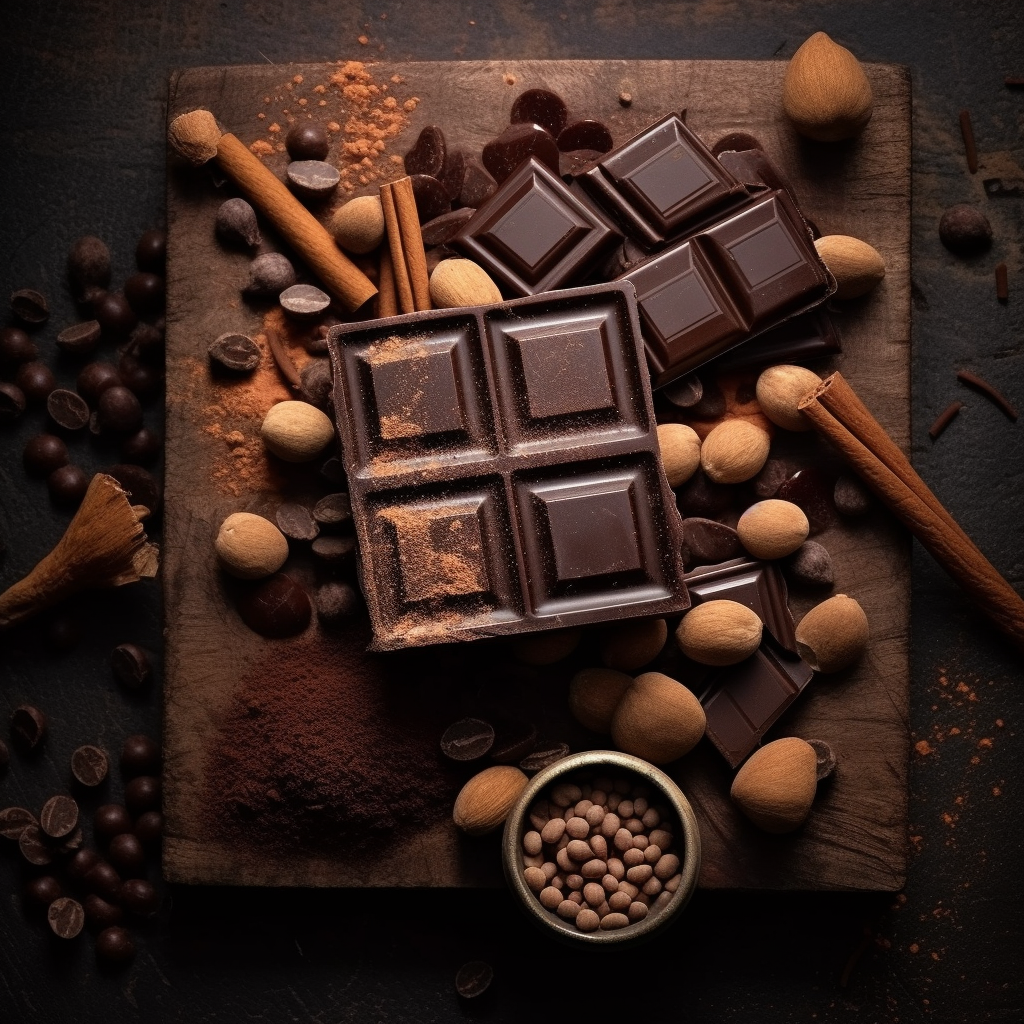
Chocolate is not one flavour, it is three problems for a glass of wine to solve at once. There is sugar, which needs matching or the wine will taste thin and sour next to it. There is fat, from butter or cream, which coats the tongue and asks for something that can cut through without feeling harsh. And there is cocoa itself, bitter and a little tannic, which clashes badly with a dry red that also brings tannin to the table. Put a big, dry Cabernet next to a dark ganache and you get two tannins fighting, both drying, neither winning.
The fix is almost always sweetness, or at least ripeness, on the wine's side. A wine with its own sugar, or with fruit so concentrated it reads as sweet, meets chocolate on equal terms instead of getting steamrolled. Fizz helps too, because bubbles scrub the fat off the palate between bites. None of this means you're stuck with one kind of bottle: a flourless cake, a light mousse and a bar of 85% cocoa each want something slightly different.
What follows covers the range, from the wine built specifically for this dessert to a fully Swiss red for anyone who wants to stay local, and a proper splurge bottle for when chocolate is the whole point of the evening.
The perfect matchThe bottle built for this exact dessert
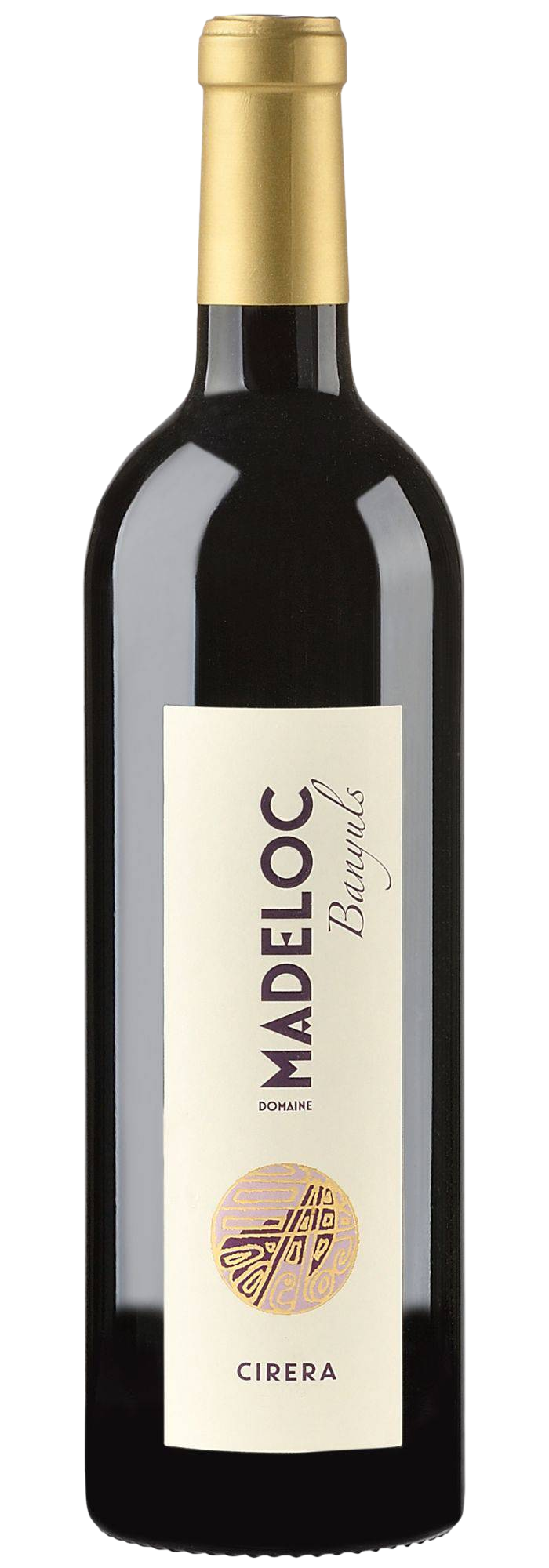
Banyuls exists almost for this moment. The grapes, Grenache and Grenache Noir grown right above the Mediterranean, get picked ripe and fortified while the fruit still tastes of dark plum and macerated cherry, so the wine arrives with a natural sweetness and jammy depth that dark chocolate simply cannot overpower.
What makes Cirera work so well is restraint elsewhere. The tannin stays gentle, the alcohol warms rather than burns, and none of it fights the cocoa's bitterness. Pour it alongside a dark chocolate tart or a bar of 70% and the two taste like they were always meant to share a plate.
Also greatFor when you want bubbles instead of weight
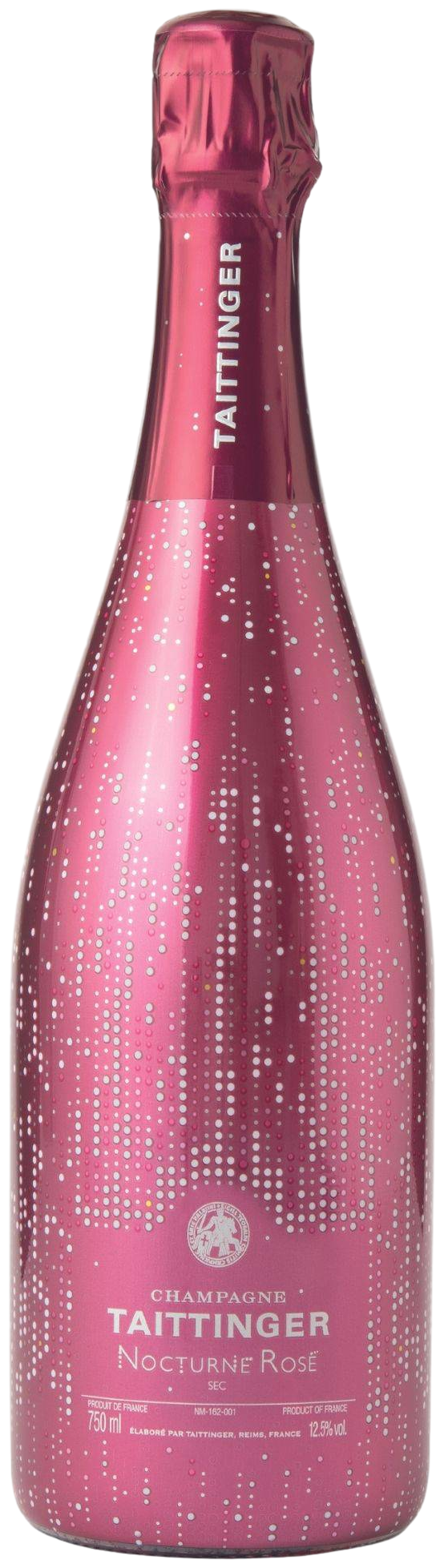
Where Banyuls goes deep and still, this Nocturne Rosé goes light and alive. Taittinger's blend of Chardonnay, Pinot Meunier and Pinot noir keeps a fine, persistent mousse and a red-berry sweetness that never tips into heavy.
That lightness is the point with a chocolate mousse or a soft ganache. The bubbles lift the fat off your tongue between spoonfuls instead of layering more richness on top of it. It's the pairing to reach for when dessert is delicate rather than dense, or when the evening calls for something that still feels like celebration.
Also greatIf you'd rather not leave dry red behind
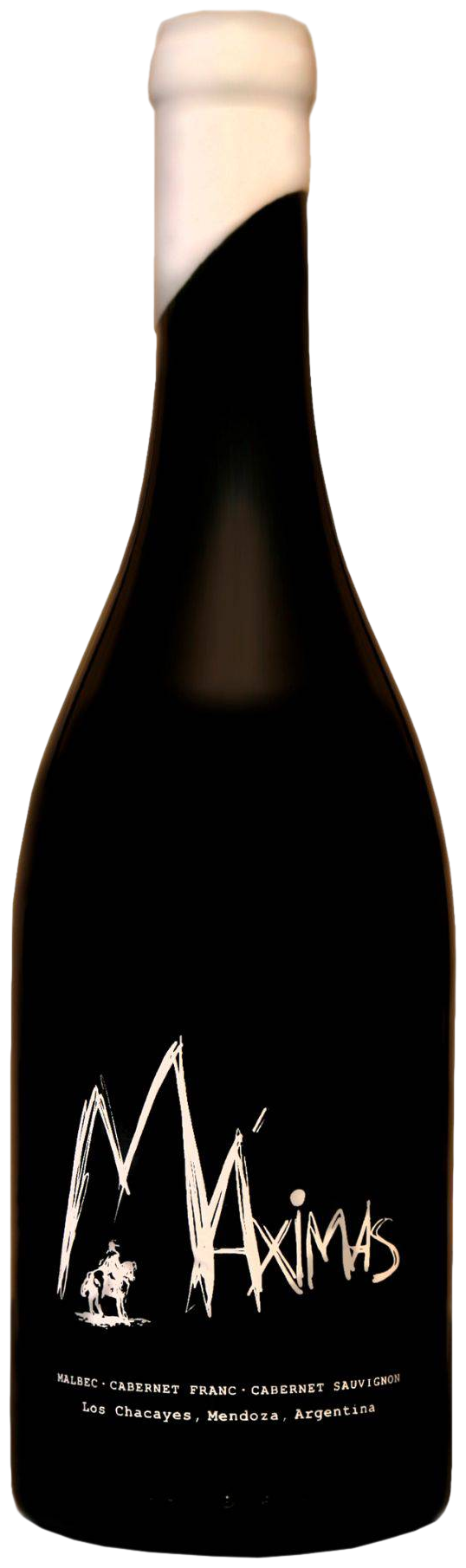
Not everyone wants a sweet wine with dessert, and that's a fair instinct. Máximas answers it. This Malbec from Los Chacayes in Mendoza is grown ripe enough that the fruit itself reads almost sweet, dark plum and blackberry with real concentration, while technically staying a dry red.
That concentration is what lets it stand up to a flourless chocolate cake or a dense brownie without the tannin clash you'd get from a leaner red. It's the bigger, still-red option on this list, for anyone who wants weight and depth without switching to a fortified wine.
The Swiss wayThe local pour for a Swiss table
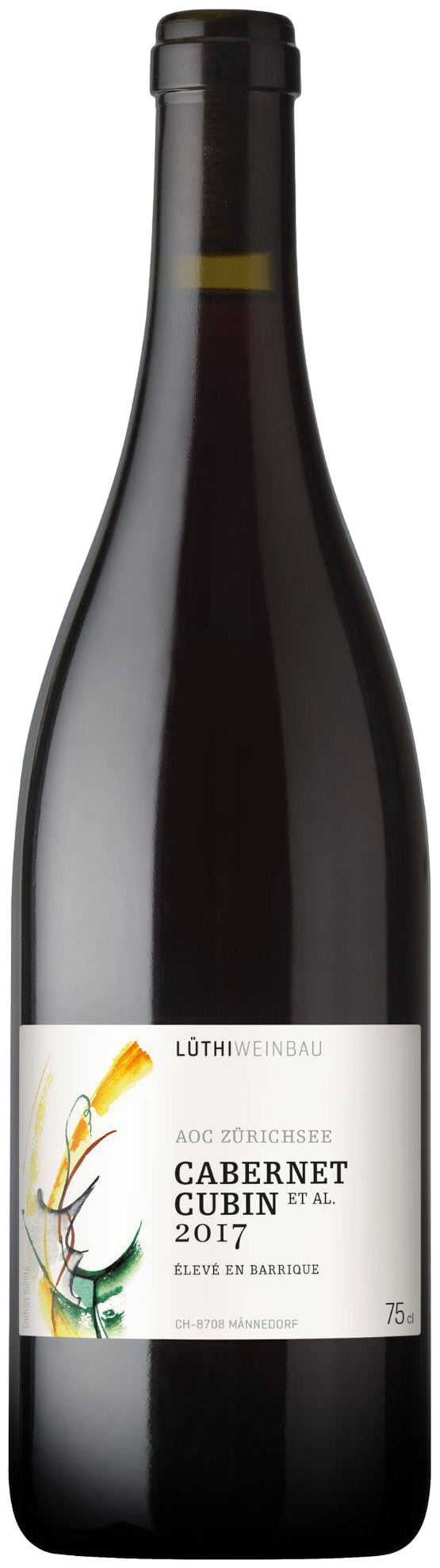
When nothing else on the shelf is from home, this Zurich red fills that gap. Lüthi Weinbau's blend of Cabernet Cubin, Cabernet sauvignon and Pinot noir has a firm backbone and enough dark fruit to hold its ground against a rich chocolate tart. It won't have the sweetness of a Banyuls or a Port, so keep the chocolate on the darker, less sugary end of the spectrum, but as a genuinely Swiss bottle for the occasion, it earns its place.
Treat yourselfThe one to open when chocolate is the whole event
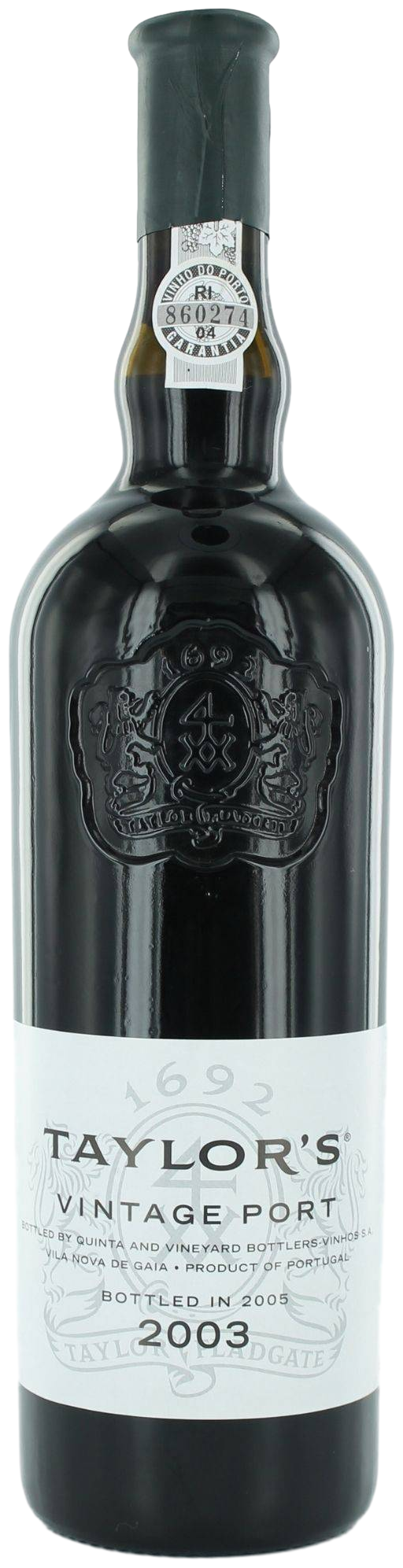
Vintage Port is the pairing people mean when they talk about chocolate and wine in the same sentence, and it earns that reputation honestly. Dried fig, dark spice and a velvety sweetness from Touriga Nacional and Touriga Franca give it a depth that a lighter fortified wine simply doesn't reach.
What the extra step up buys you here is complexity that unfolds over the whole dessert course rather than fading after the first bite. Save it for the occasion where chocolate isn't an afterthought but the reason everyone sat down, a birthday, an anniversary, the end of a long dinner where nobody's in a hurry to leave the table.
We hope our selection helped you find the right match for your chocolate dessert. Chocolate rarely shows up on a quiet Tuesday, it tends to mean a birthday candle, a dinner that's run long, or friends who stayed for one more course. That's reason enough to open something good alongside it. Snap a photo of the bottle you picked and tag us, we like seeing what ends up on the table.
Frequently asked questions
Does red wine actually work with chocolate, or is that a myth?
A dry, tannic red mostly fights chocolate rather than complementing it, because both bring drying tannin and the result feels harsh. Ripe, sweeter-tasting reds like a concentrated Malbec, or fortified reds like Banyuls or Port, work far better because they meet the chocolate's richness instead of competing with its bitterness.
Can you serve champagne or sparkling wine with chocolate?
Yes, particularly with lighter chocolate desserts like mousse or ganache tart. A rosé Champagne with some red-berry sweetness and a fine mousse of bubbles lifts the dish and cuts through the fat, giving a lighter, more festive option than a still red.
Does the wine need to be sweet, or will a dry wine do?
For dark chocolate specifically, some sweetness on the wine's side almost always helps, because a bone-dry wine will taste stripped and sour next to sugar. If you want to stay dry, pick the ripest, most concentrated red on the shelf rather than a lean, tannic one.
What should I pour if one guest wants white and everyone else is having chocolate?
White wine is genuinely tricky with chocolate since it rarely has the weight or sweetness to keep up. If it has to be white, look for something fortified and amber rather than a table white, but honestly a rosé Champagne is the easiest crowd-pleasing compromise at that end of the table.
Is Port really the best match for chocolate, or is that just tradition?
It is tradition because it works. Vintage Port's dried fruit, spice and velvety sweetness sit right alongside dark chocolate's bitterness without either one flattening the other, which is why it has stayed the classic pairing for so long.
More pairings in Desserts
You have the ideas.
We have the perfect wine.
Tired of overthinking your wine choice? Just tell us in a few words why you need a bottle and we'll find the perfect wine in under a minute.