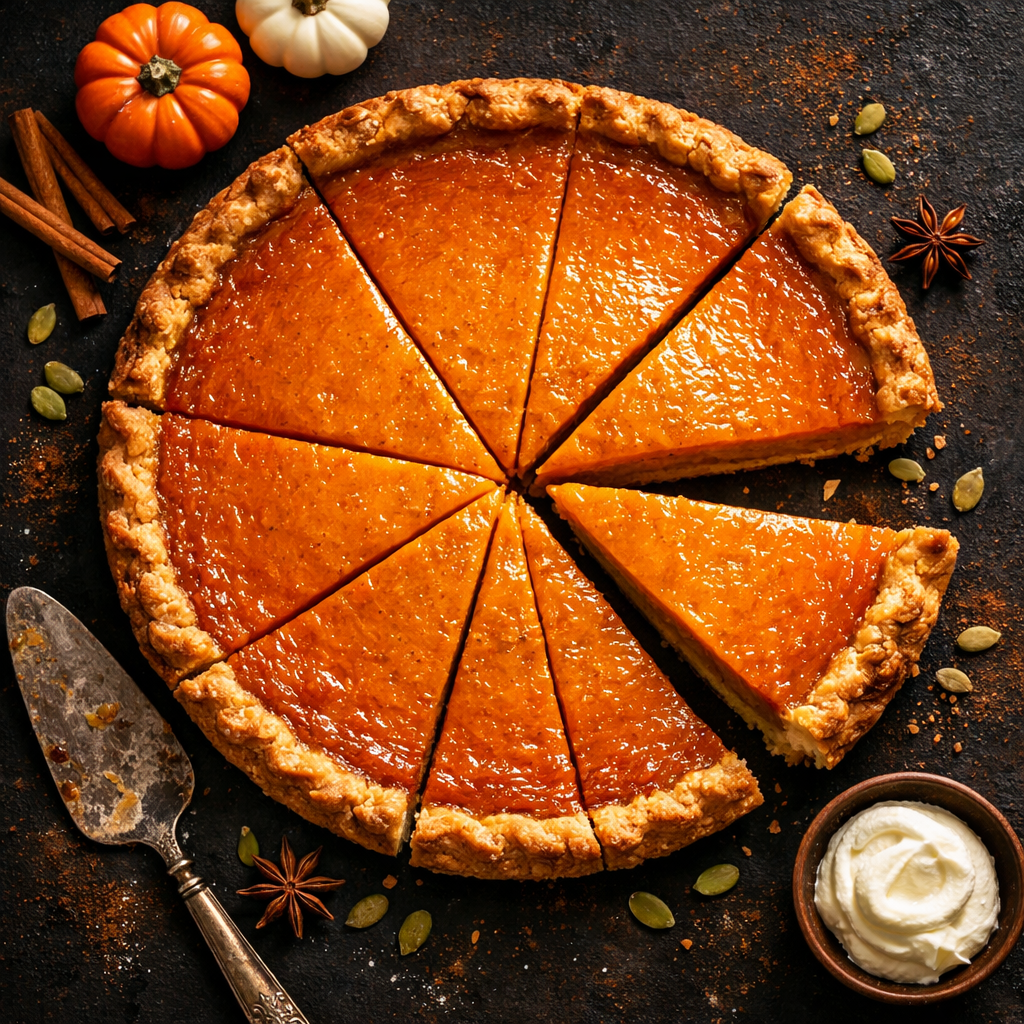
Pumpkin pie is a study in soft textures. The custard is dense and a little sticky, the crust brings butter and a bit of salt, and the spice mix, cinnamon, nutmeg, clove, sits on the finish long after the bite is gone. None of that is aggressive, but all of it asks the wine to bring something rather than just sit there.
A dry white will taste thin next to this filling. What the pie wants is a wine with its own sweetness, enough to meet the pumpkin without disappearing, and enough acidity to keep the whole thing from feeling like dessert on top of dessert. Bubbles help too. They reset your palate between bites of that dense custard.
Spice is the other half of the equation. A wine with floral or dried-fruit notes will pick up the nutmeg and clove instead of clashing with them. That's the real test here, not just sweetness matched to sweetness, but a flavor conversation between the glass and the fork.
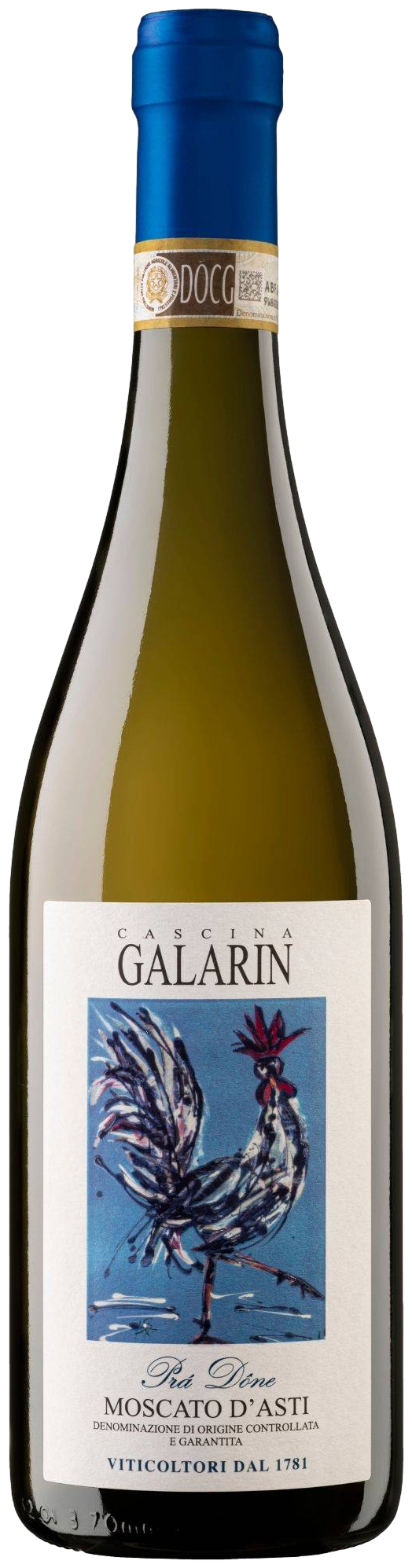
The perfect matchThe bottle that keeps the pie feeling light
Moscato d'Asti has low alcohol and a gentle fizz, which is exactly what a slice of pumpkin pie needs after a big meal. The bubbles are soft, almost a whisper, and they lift the custard's density instead of piling more weight on top of it.
What makes the Prà Dône particularly good here is the citrus and floral fruit underneath the sweetness. It brushes up against the pie's cinnamon and nutmeg without trying to outdo them, so you get a quiet echo of spice rather than a competition. This is the wine to pour when you want the dessert course to feel easy, not like round two of a heavy dinner.
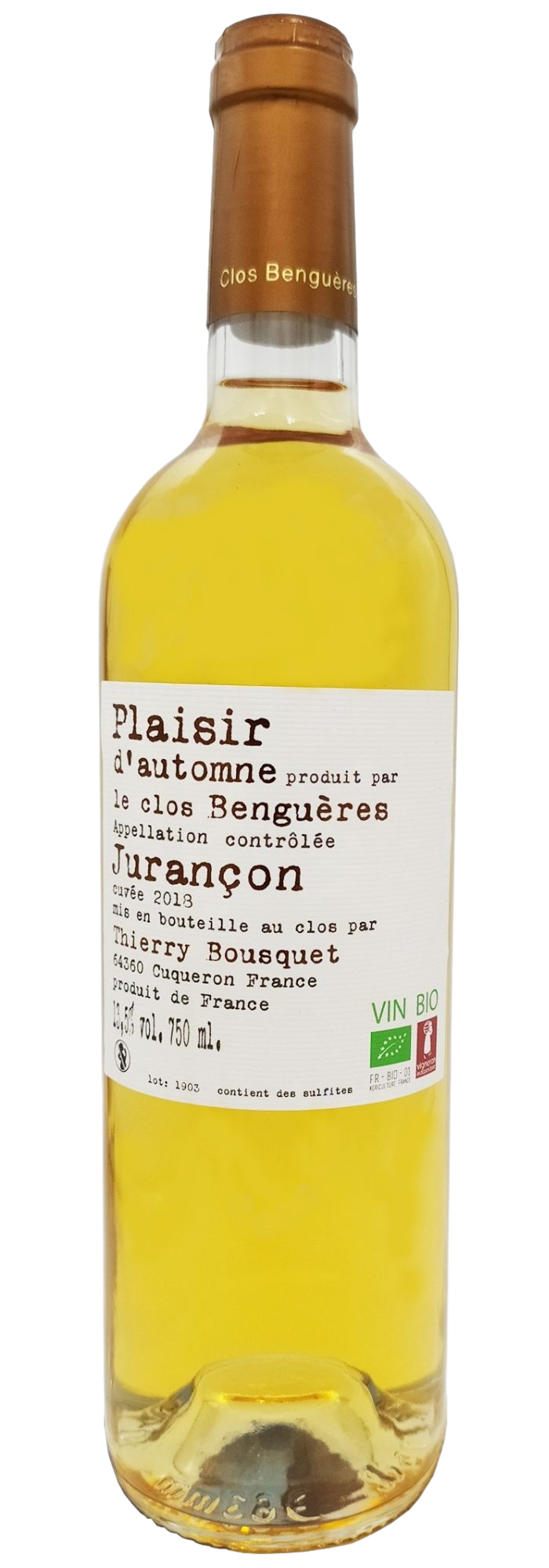
Also greatFor when you want the pairing to feel a little more indulgent
Where the Moscato stays light, this Jurançon leans into richness. Gros Manseng and Petit Manseng ripen into something honeyed and full of exotic fruit, apricot, mango, that kind of register, and that weight matches the caramelized edges you get on a well-baked pumpkin filling.
It's still a fresh wine, so it doesn't turn the dessert course into a syrup bath, but it does bring more presence to the glass. If the Moscato feels almost too delicate for your taste, this is the direction to go instead, same idea of sweetness meeting sweetness, just with more volume behind it.
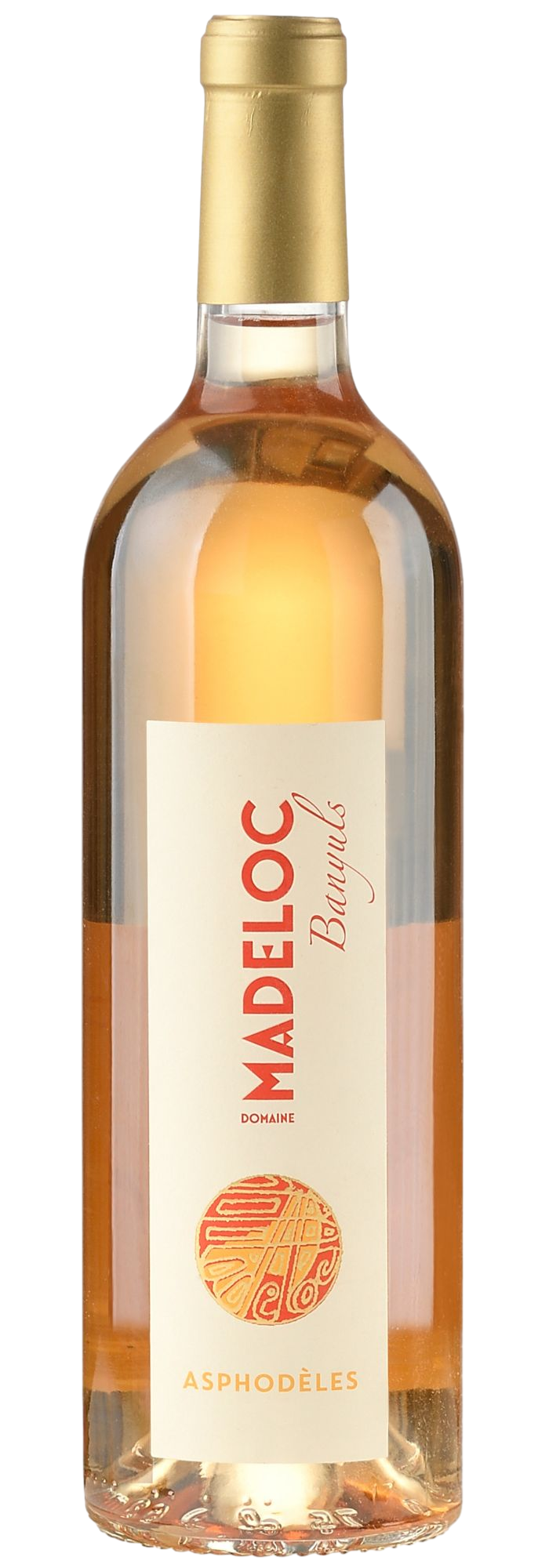
Also greatThe one for people who like their dessert wine with some age and character
This Banyuls-style white VDN from Domaine Madeloc is not shy. Grenache gris and Malvasia give it nutty, dried-fruit notes, the kind you'd associate with a bit of oxidative aging, and that profile lines up unexpectedly well with a pie built on warm spice. Cinnamon and nutmeg find a real partner here instead of just a background sweetness to sit next to.
It's a warmer, more complex pour than the first two, closer to something you'd sip slowly than something you'd refill twice. If your table already has a bottle open, treat this one as the wine you bring out specifically for the pie, not before it.
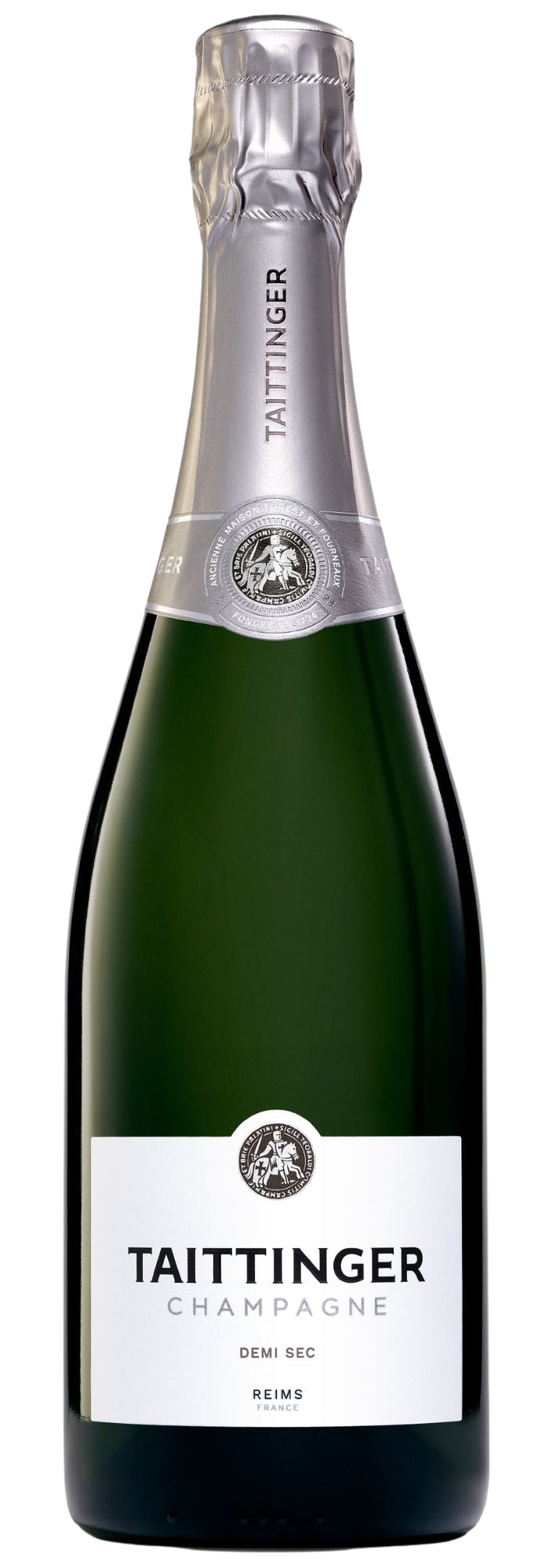
Treat yourselfAn invitation to make dessert the moment everyone remembers
Taittinger's Demi-Sec is Champagne with a bit of sugar left in, which changes what it can do at a dessert table. The bubbles are fine and persistent, and there's a honeyed, brioche-like note that most Champagnes don't show, since dry styles usually keep that side of things in check.
Opening this instead of a still dessert wine doesn't change what pairs well with the pie so much as it changes the occasion around it. It's the bottle for a holiday table, a birthday, any dinner where the pumpkin pie is less an ending and more the reason everyone stayed at the table a little longer.
We hope one of these bottles is the one you reach for when the pumpkin pie finally makes it to the table. This is a dessert for the end of a long meal, the kind shared with people you've been sitting with for hours already. Pick the glass that matches the mood you're in, sweet and light or something with more weight, and let the pie do the rest. If you land on a favorite, share it and tag us, we like seeing what ends up on the table.
Frequently asked questions
Should pumpkin pie be paired with a sweet wine or a dry one?
Go sweet, or at least off-dry. A bone-dry wine tends to taste sharp and thin next to the custard's sugar, while a wine with its own sweetness meets the pie instead of fighting it. Look for something with bright acidity underneath the sweetness so it doesn't feel heavy on top of dessert.
Does sparkling wine work with pumpkin pie?
Yes, and it's one of the better options. The bubbles cut through the dense, custardy texture and reset your palate between bites, which a still wine can't do as well. A lightly sweet sparkling wine, like a Moscato d'Asti or a Champagne demi-sec, handles the job nicely.
Can you serve a red wine with pumpkin pie?
It's possible but trickier. Most reds bring tannin, which clashes with the pie's sugar and can taste bitter next to it. If you want to stay with red, look for something soft and slightly sweet rather than a dry, structured bottle, though a sweet white or sparkling wine will generally give you a better match.
How do I handle the cinnamon and nutmeg spice in the pie when picking a wine?
Look for a wine with its own aromatic or dried-fruit character, floral notes, honey, or nutty tones work well. These echo the warm spice instead of getting lost behind it. A plain, neutral white won't have much to say back to the cinnamon and clove.
What if a guest wants a dry wine instead of something sweet?
Offer a lightly off-dry sparkling wine as a middle ground rather than going fully dry. A dry wine next to pumpkin pie tends to taste hollow and overly acidic, so even guests who usually prefer dry styles are often better served by something with a touch of sweetness here.
More pairings in Desserts
You have the ideas.
We have the perfect wine.
Tired of overthinking your wine choice? Just tell us in a few words why you need a bottle and we'll find the perfect wine in under a minute.