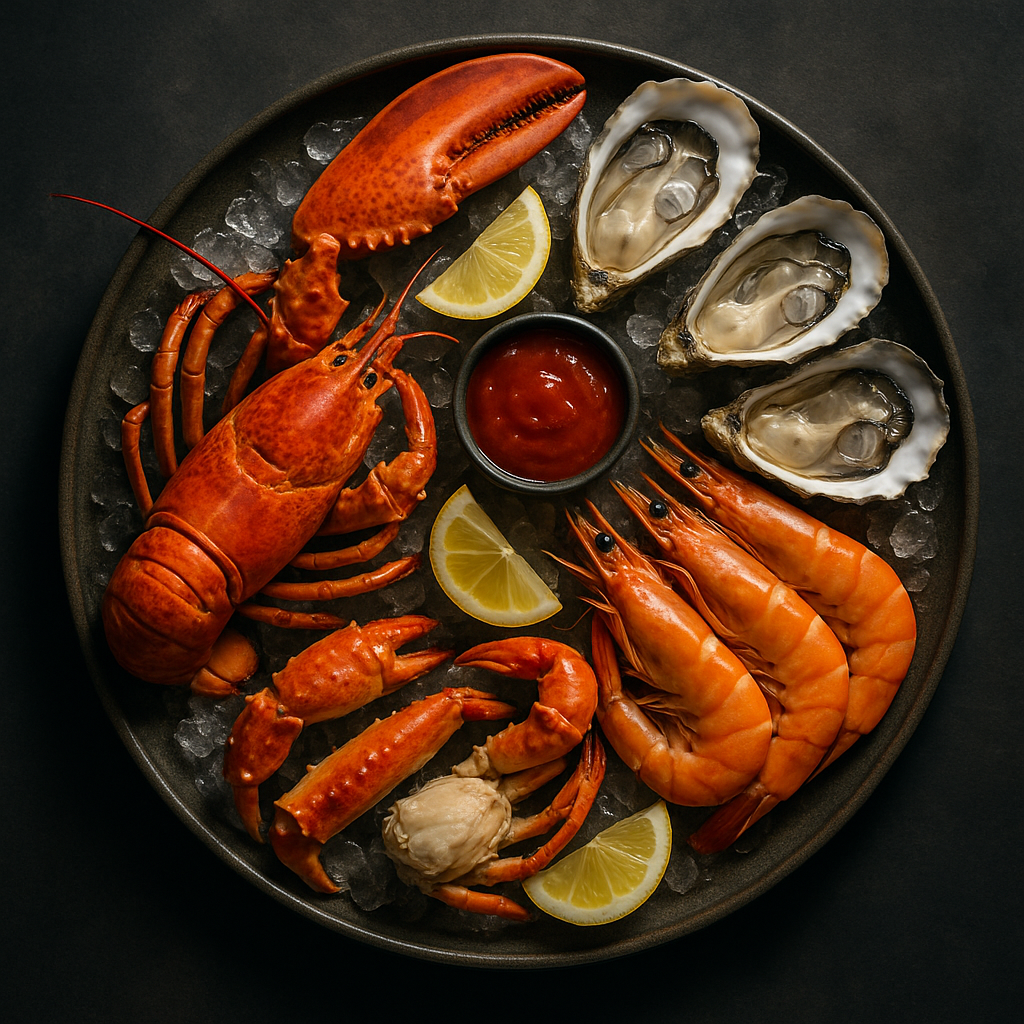
A seafood platter is mostly about salt and iodine. Oysters taste of the sea itself, shrimp and langoustine bring a clean sweetness, crab meat sits somewhere between the two. Add a squeeze of lemon or a spoon of mignonette and the whole plate turns brighter and more acidic than most dishes you'll cook at home.
Wine has one job here, and that's to keep pace with that brightness without adding weight. Oak turns clumsy next to a raw oyster. A heavy, alcoholic white can make crab meat taste dull. What works is high acidity, a saline or chalky edge, and a body light enough to let the shellfish stay the star.
The right bottle also has to survive a long table. A seafood platter rarely disappears in ten minutes, so you want something that stays fresh glass after glass, not a wine that tires out halfway through the ice.
The perfect matchThe chalk-and-oyster classic
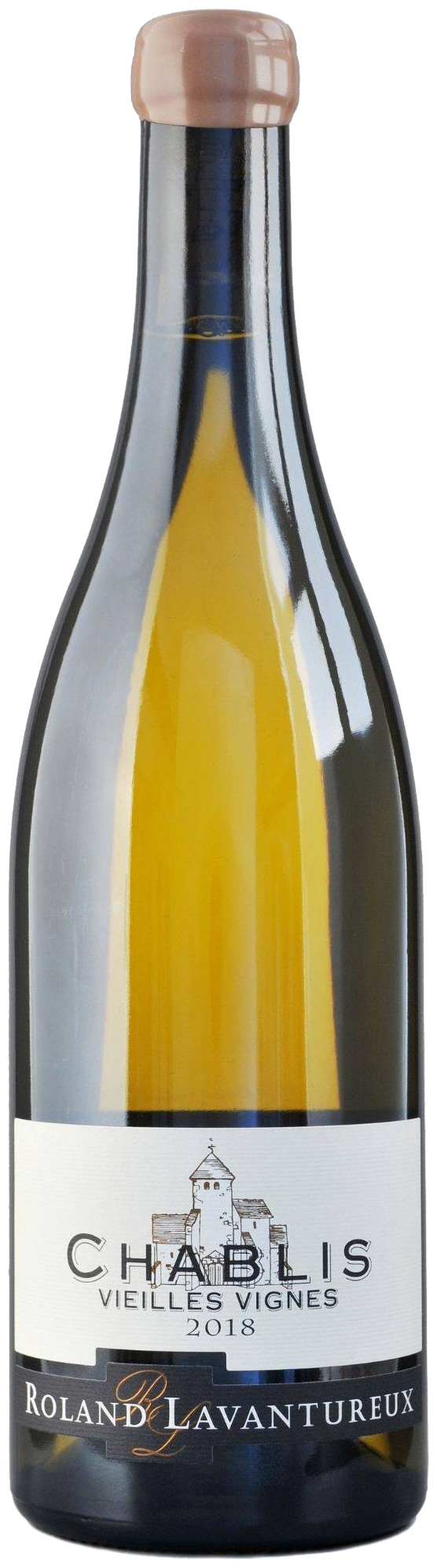
Chablis without oak is the seafood platter's oldest friend, and this Vieilles Vignes bottling from Roland Lavantureux shows why. The grapes come from old vines on Chablis' chalky, fossil-rich soil, and none of that character gets covered up by barrel. What lands in the glass is a taut, almost saline acidity that runs straight through shrimp, crab and oyster alike.
Pour it cold and it does something specific. It cuts the brine instead of adding to it. Crab meat tastes sweeter next to it, langoustine tastes cleaner, and the shell-shocked minerality never fights for attention. This is the bottle to open first, before the platter even hits the table.
Also greatA lakeside answer, if you'd rather stay local
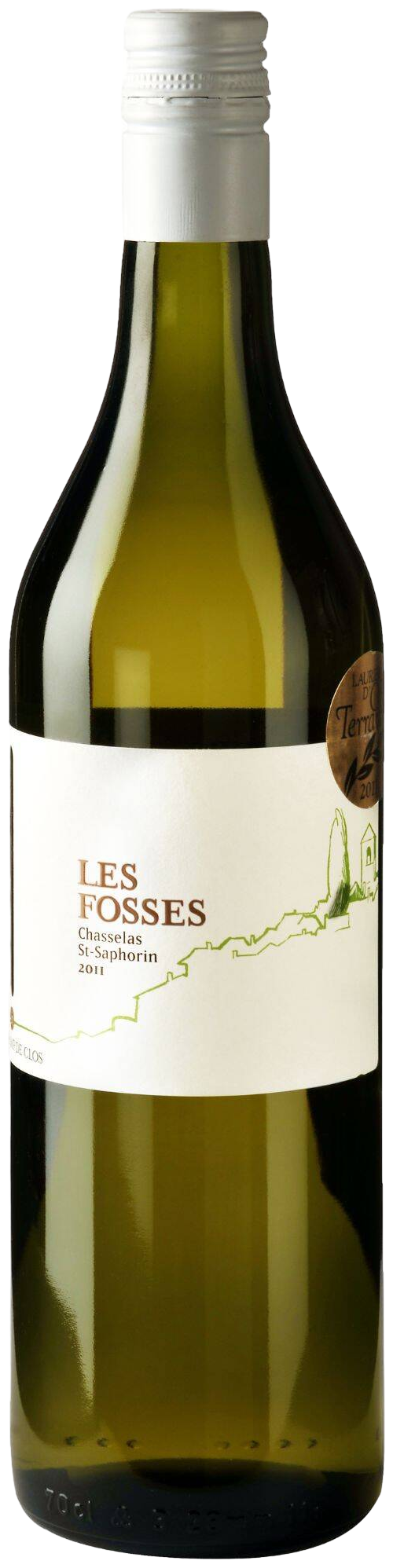
Chasselas doesn't get much respect outside Switzerland, which is a shame at a seafood table. St-Saphorin, grown on the terraced slopes above Lake Geneva, gives you a wine with real salinity and a light citrus lift, closer in spirit to a coastal white than its landlocked address would suggest. Locals have paired it with lake fish and shellfish for generations, and the logic holds just as well with ocean seafood.
Where the Chablis leans chalky and firm, this one is rounder and gentler, the kind of glass you can keep refilling through langoustine, crab and the inevitable second dozen oysters without it ever feeling heavy.
Also greatBuilt by the ocean it comes from
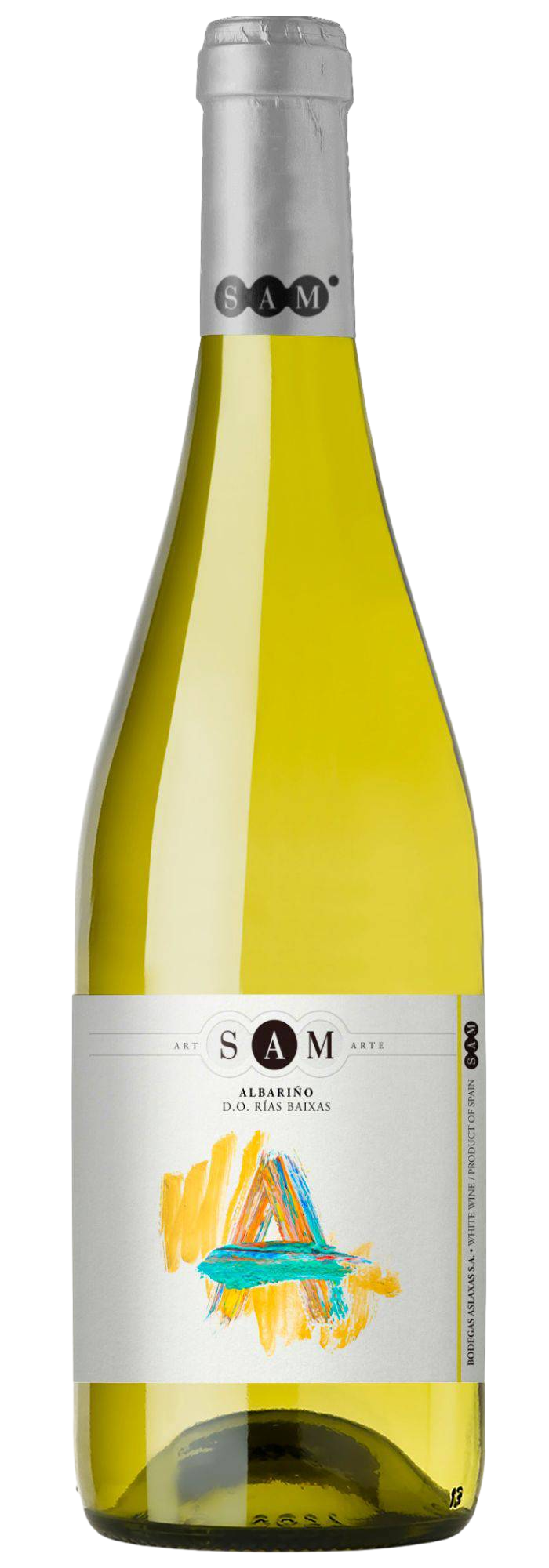
Albariño grows a few kilometres from the Atlantic in Rías Baixas, and it shows. This one from Bodegas As Laxas has the citrus drive and the faint brininess you'd expect from a grape raised on shellfish and sea air. It doesn't try to soften the ocean character of oysters and clams, it matches it.
That's the difference from the two whites above, less chalk, less lake freshness, more straightforward salt and lemon. If your platter leans heavy on clams and mussels rather than crab and langoustine, this is the bottle that speaks their language most directly.
Also greatA change of colour, not a compromise
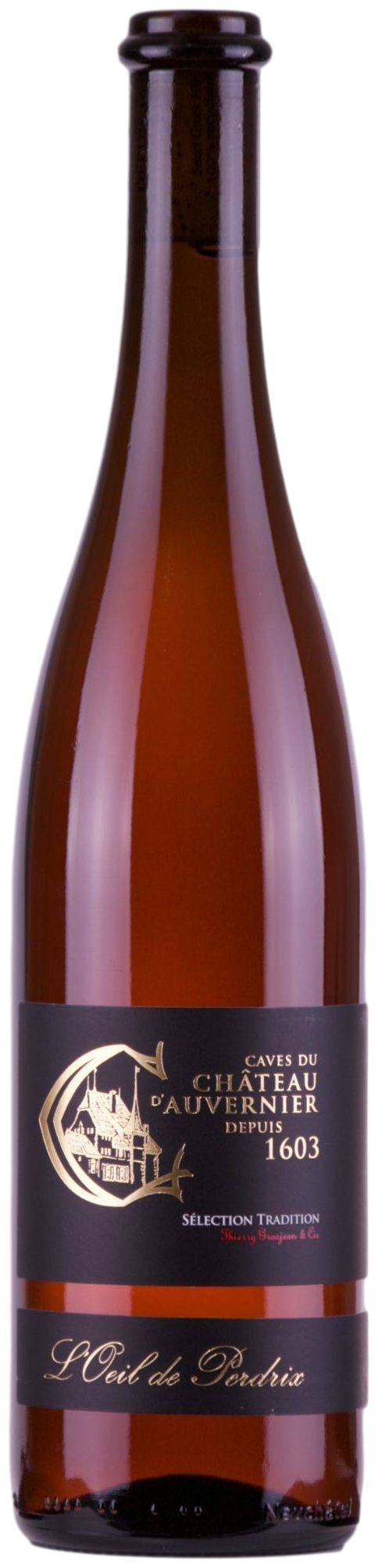
Three whites in a row can feel monotonous, and that's where this Oeil de Perdrix earns its spot. Made from Pinot noir vinified almost like a white wine, it comes out pale, delicate and dry, with red berry notes that stay light rather than jammy. Neuchâtel has been making this style for a long time and shellfish is exactly what it was built for.
It won't bring the minerality of a Chablis or an Albariño, so don't expect it to cut through a raw oyster the same way. What it does instead is refresh the palate between bites of shrimp and crab, and it gives the table something different to look at once everyone's had enough white for one meal.
The smart pickAn easy, unfussy option for a weeknight platter
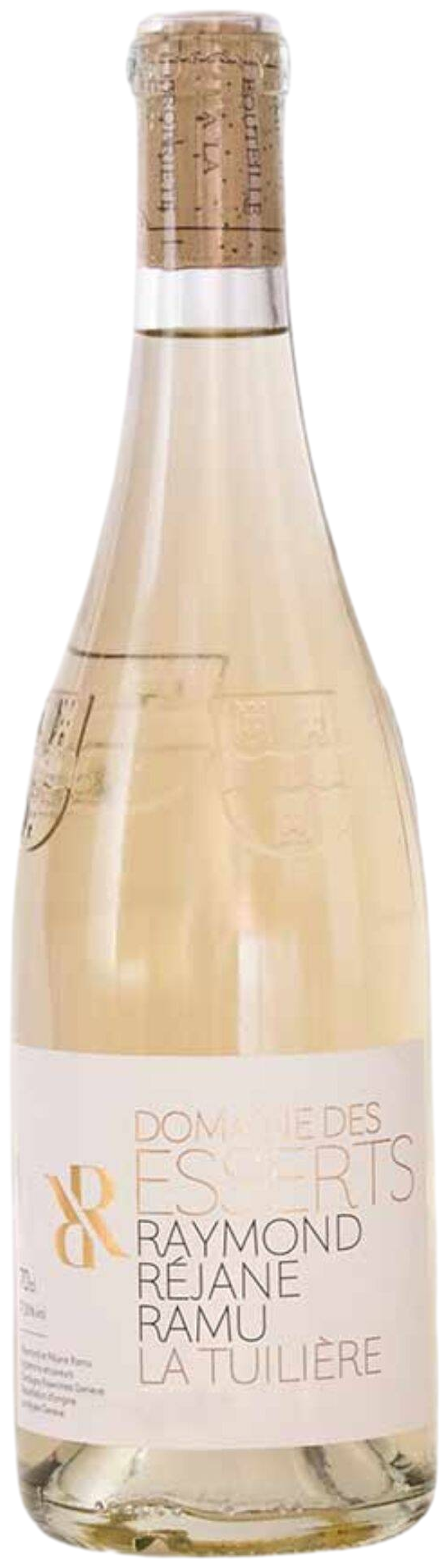
Not every seafood platter needs to be an occasion. This Chasselas from Domaine des Esserts, grown just outside Geneva, is a simpler wine than the others here, and it costs noticeably less. What it keeps is the essential part, clean acidity, a light body, no oak, nothing to distract from the shellfish.
It won't have the depth of a Chablis or the salt-driven intensity of an Albariño, but chilled down on a weeknight next to a bag of shrimp and a lemon, it does exactly what's needed and nothing more.
Treat yourselfThe bottle for when the platter is the whole point
Some seafood platters are just dinner, and some are the reason you invited people over. Les Folies de la Marquetterie is Taittinger's answer to the second kind, a prestige cuvée built on Chardonnay and Pinot noir with fine, persistent bubbles and a toasty depth that goes well past a simple aperitif fizz.
Open it once the crab and langoustine are on the table, not before. The toastiness plays against the sweetness of the shellfish, and the bubbles do what a still wine can't, lifting the richness of mayonnaise or butter right off the palate, glass after glass, course after course.
We hope our selection helped you find the right bottle for your seafood platter. This is food for a long table, the kind of meal that stretches over an afternoon with friends, hands busy cracking shells, everyone reaching for the same bowl of mignonette. Once the ice is packed and the platter lands in the middle of the table, all that's left is to pour. Tell us what you picked, tag us in your photos, and show us how your table looked today.
Frequently asked questions
Should I serve red or white wine with a seafood platter?
White is almost always the better choice. Seafood platters bring brine, iodine and citrus, and a red's tannins tend to clash with that, often leaving a metallic taste. Stick to a crisp, unoaked white like the Chablis or the Albariño here, or a light rosé such as the Oeil de Perdrix if you want a touch of red fruit without the tannin problem.
What's the best wine for oysters specifically on the platter?
Oysters want the most mineral, saline wine on the table. The Chablis Vieilles Vignes and the Albariño both fit that description well, one leaning chalky, the other more overtly briny. Either will make a raw oyster taste cleaner rather than fighting its ocean character.
Does champagne or sparkling wine work with a seafood platter?
Yes, and it's one of the classic pairings for a reason. The bubbles cut through richer elements like mayonnaise or butter, and a cuvée with some toasty depth, like Taittinger's Les Folies de la Marquetterie, adds another layer without overwhelming the shellfish. Save it for when the platter is a proper occasion rather than a quick weeknight dinner.
What if someone at the table wants rosé instead of white?
A light, dry rosé works fine as long as it stays delicate. The Oeil de Perdrix from Neuchâtel is made from Pinot noir but vinified pale, so it keeps enough freshness for shrimp and crab while giving the table a different colour to look at.
How do I handle the vinegar in the mignonette sauce?
Mignonette's vinegar and shallot can make a wine taste flat if the wine itself doesn't have enough acidity. High-acid whites like the Chablis, the Albariño or even the everyday Chasselas from Geneva stand up to it fine, since their own acidity matches rather than loses to the sauce.
You have the ideas.
We have the perfect wine.
Tired of overthinking your wine choice? Just tell us in a few words why you need a bottle and we'll find the perfect wine in under a minute.