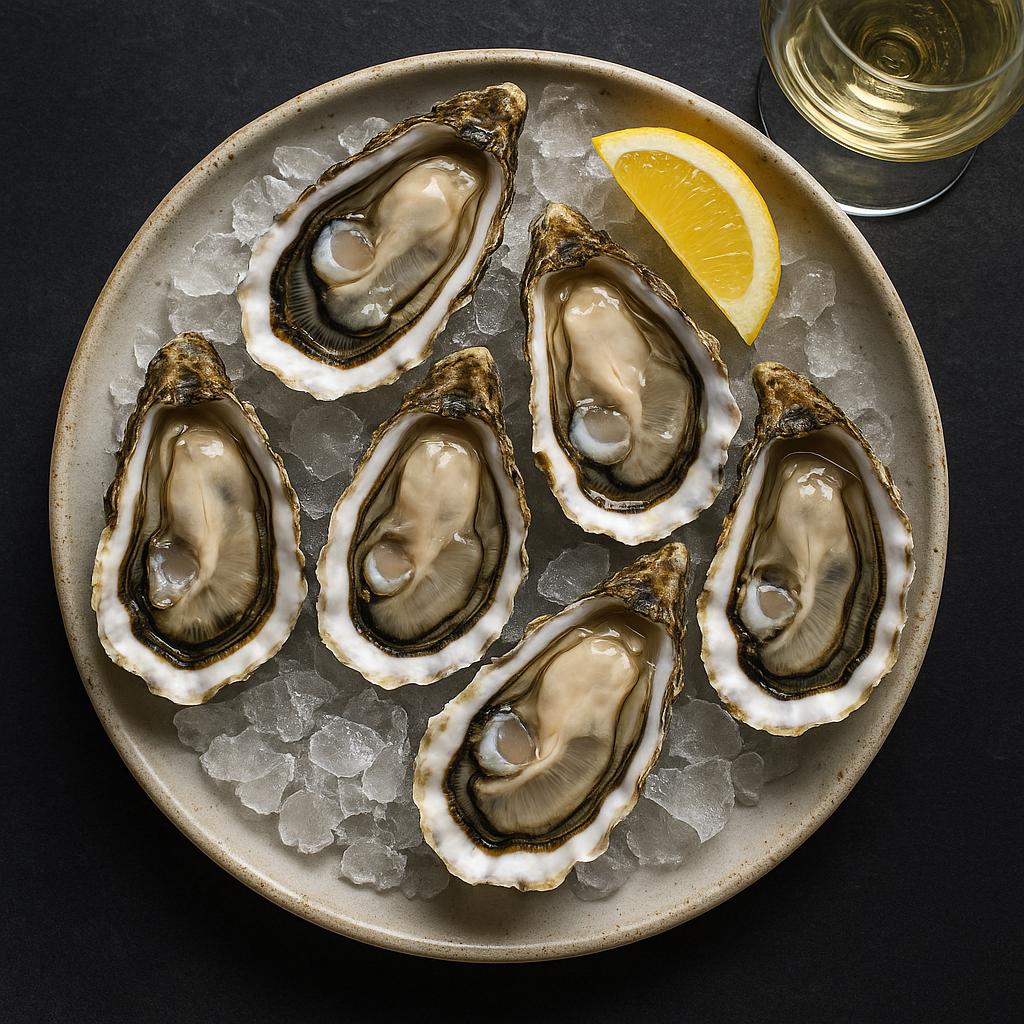
Oysters don't ask for much, but they're unforgiving. That first slurp is pure brine, cold and briny, with a faint sweetness underneath and a metallic snap from the liquor in the shell. Any wine that's too soft, too oaky, or too fruity will just sit on top of that and go nowhere. What the oyster wants is a wine that thinks the same way: high acid, low fat, something with its own trace of salt or flint.
This is why the classic pairings all lean the same direction. Cold, bone-dry whites from places near water, grown on soils that carry a mineral edge. The acidity in the wine mirrors the citrus you'd squeeze over the shell, and a saline or flinty streak in the glass just extends the oyster's own flavor instead of fighting it. Texture matters too: you want a wine light enough to disappear between bites, not one that coats the tongue and dulls the next oyster.
Below are four whites that each solve this puzzle a little differently, one built almost entirely around minerality, one bringing bubbles into the mix, and two working the acid and salt angle from opposite ends of the citrus spectrum.
The perfect matchThe one built for this exact moment, shell in hand, lemon nearby
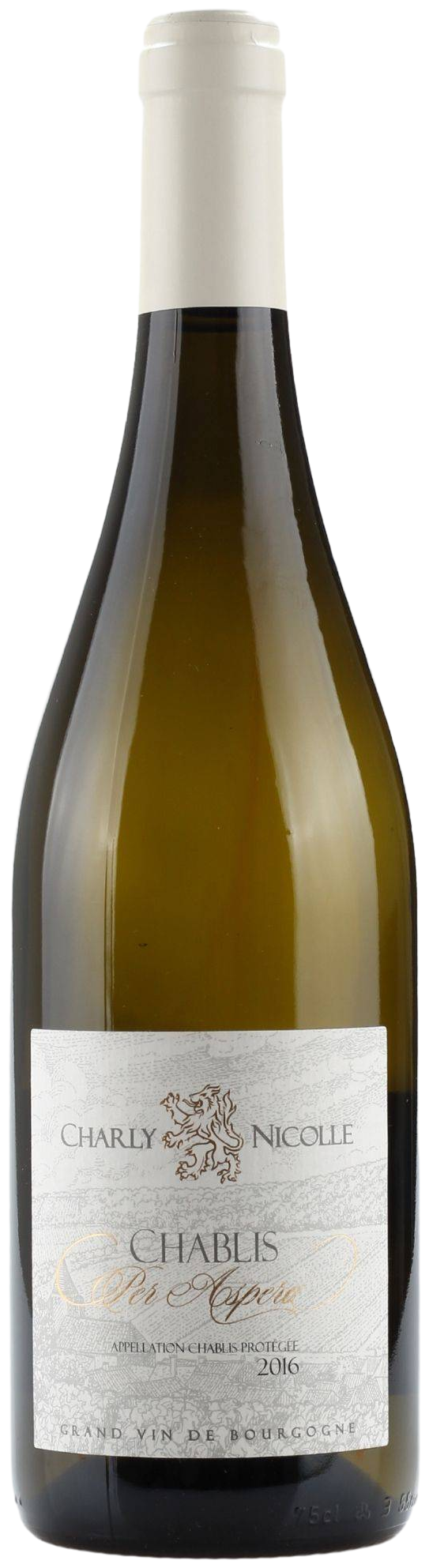
Chablis and oysters share the same story before they even meet on the table: both come from the sea, in a sense, since the vineyards of Chablis sit on ancient marine limestone full of tiny fossilized oyster shells. That's not just trivia, you can taste it. The Per Aspera from Domaine Charly Nicolle is unoaked, so nothing stands between you and that core of green apple, lemon pith, and a flinty, iodine-like minerality that shows up right on the finish.
When you put it next to a raw oyster, the wine's acidity meets the brine head-on and the flinty note just extends what's already in the shell. It doesn't try to soften the oyster or dress it up, it matches it. That's why this is the pairing to reach for when oysters are the whole point of the evening, not a side note.
Also greatFor when the oysters open a proper celebration
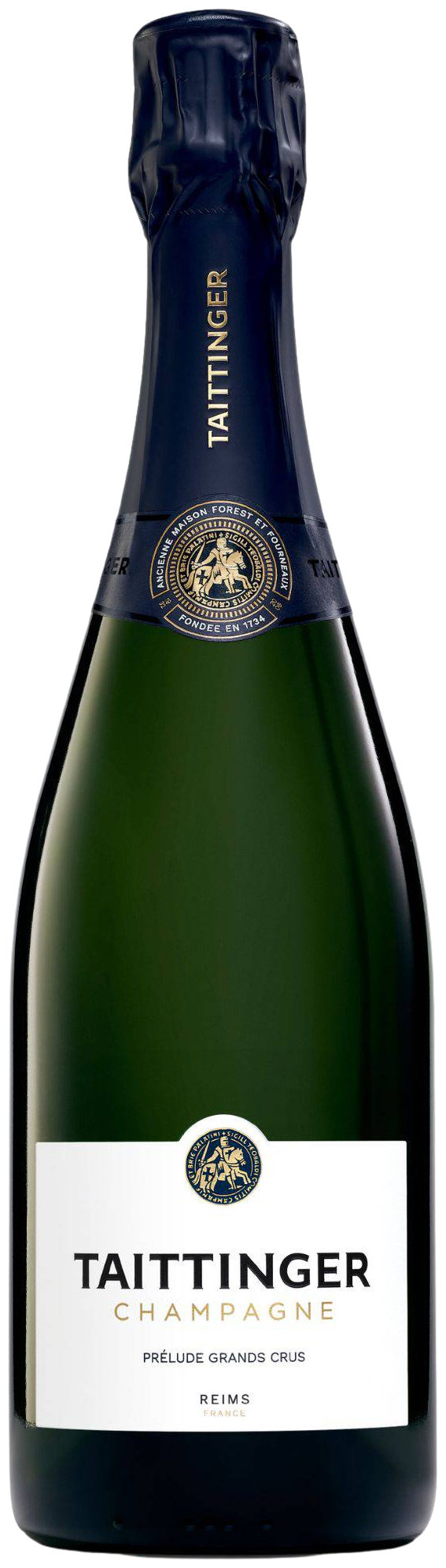
Champagne changes the mood of the table the moment it's poured, and the Prélude Grands Crus from Taittinger does that while still taking the pairing seriously. It's made from Grand Cru Chardonnay and Pinot noir, and the bubbles do something a still wine can't: they physically rinse your palate after each briny sip, so the next oyster tastes as fresh as the first.
There's also a toasty, saline edge under the citrus, a little like the smell of a beach at low tide, and it lines up with the oyster's own sea-salt character rather than sitting apart from it. Open this one when the dozen oysters are really the opening act to a longer meal, not the whole meal itself.
Also greatA quieter, lake-grown answer to the same brine
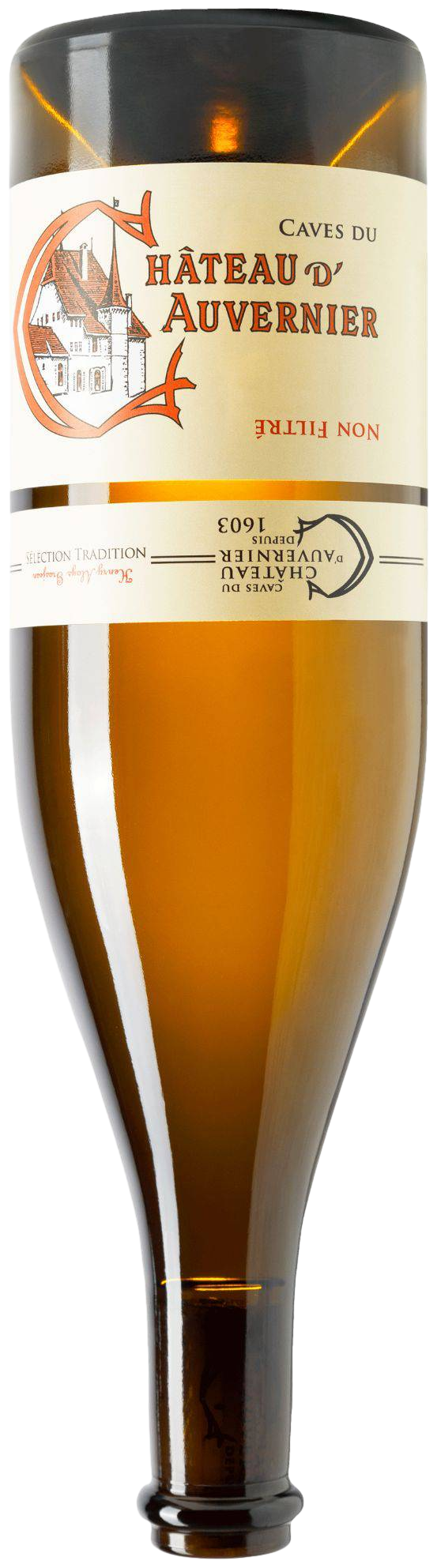
Not every oyster wine has to come from the coast. The Caves du Château d'Auvernier make their Neuchâtel Blanc Non Filtré from Chasselas grown right by the lake, and Swiss lake country has been pairing this grape with shellfish, freshwater and sea alike, for generations. It's unfiltered, which gives it a slightly textured, almost chalky feel, and it finishes with a light, saline note that echoes the oyster without shouting about it.
Where the Chablis meets the oyster's brine directly, this Chasselas takes a gentler route, letting the shellfish lead and stepping in quietly behind it. It's the bottle for a calmer table, maybe a weeknight dozen rather than a big occasion.
Also greatWhen you want the citrus turned up, not down
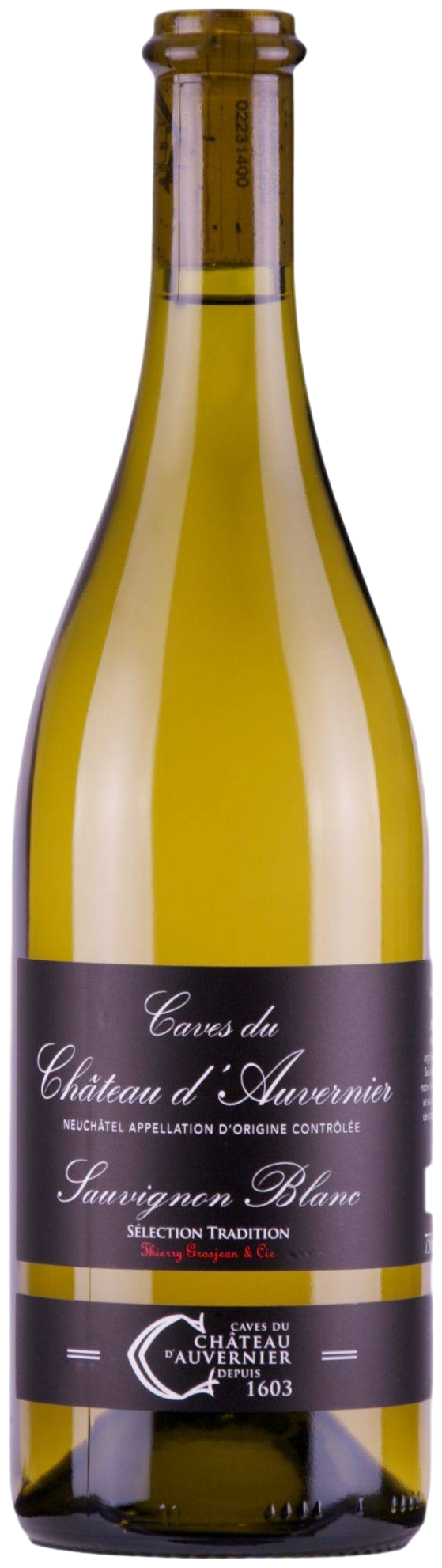
Some people like their oysters with an extra squeeze of lemon, and this Sauvignon blanc from Caves du Château d'Auvernier is basically that instinct in a glass. It's got real cut-grass and citrus character, sharper and greener than a Chardonnay, and that herbaceous edge gives the pairing a different kind of energy.
Instead of matching the oyster's minerality quietly, it lifts it, adding a fresh, almost tangy contrast that works especially well if you're serving oysters with a mignonette or extra lime. Choose this one when you want the wine to be a little more assertive at the table, not just a backdrop to the shellfish.
We hope our selection helped you find the right bottle for your oysters. This is food for a table with friends, a first course before anything else has been decided, the kind of start that sets the tone for the whole evening. Once the tray of shells lands and the ice starts to sweat, it's time to pour. Snap a photo of what you're drinking and tag us, we love seeing what ends up next to the shells.
Frequently asked questions
Should oysters be paired with white wine or something else?
White wine, almost without exception. A dry white brings acidity and often a saline character, and that combination cuts through the brine and refreshes the palate before the next oyster. Reds bring tannin, which turns metallic and unpleasant against raw shellfish, so they're best left out of this pairing entirely.
Does Champagne actually work with oysters, or is that just tradition?
It genuinely works, and the Prélude Grands Crus from Taittinger is a good example why. The bubbles physically scrub the palate clean between oysters, and the toasty, saline notes that come from Chardonnay and Pinot noir echo the sea-salt of the shellfish rather than competing with it.
What if my guest doesn't drink white wine at all?
There isn't a strong red option here, oysters and tannin really don't get along, but a very light, chilled rosé with high acidity can stand in without clashing too badly. It won't have the same mineral snap as the whites above, so treat it as a compromise rather than an equivalent.
Which of these four wines is the most classic, textbook oyster pairing?
The Chablis Per Aspera from Domaine Charly Nicolle is the textbook choice. Unoaked Chardonnay from Chablis has a flinty, iodine-tinged minerality that comes straight from the region's limestone soil, and it mirrors the brine of an oyster almost exactly.
Is Sauvignon blanc too aggressive for something as delicate as an oyster?
Not if you pick one with restraint, like the Caves du Château d'Auvernier bottling. Its citrus and cut-grass notes add a herbaceous lift rather than overpowering the shellfish, giving you a sharper, greener contrast than a Chardonnay would.
More pairings in Seafood
You have the ideas.
We have the perfect wine.
Tired of overthinking your wine choice? Just tell us in a few words why you need a bottle and we'll find the perfect wine in under a minute.