CarignanThe underdog grape that's making a spectacular comeback in Mediterranean vineyards
Carignan has one of wine's greatest redemption stories. Originally from Aragon, Spain, this hardy grape spread across the Mediterranean, becoming France's most planted variety by the 1960s. For decades, it was dismissed as a workhorse grape producing bulk wine, valued only for high yields and deep color.
Today, winemakers are rediscovering old-vine Carignan's true potential. Those gnarly, century-old vines produce incredibly concentrated, characterful wines that showcase the grape's real personality. From Priorat to Languedoc-Roussillon, from Chile to California, Carignan is finally getting the respect it deserves, often becoming the secret weapon in Mediterranean blends or standing proudly on its own.
How to recognize this grape variety?
Old-vine Carignan bursts with personality: think ripe black cherry, blueberry, and blackberry, layered with dried herbs like thyme and rosemary. There's often a wild, earthy character—think garrigue, leather, and dried flowers. The palate delivers juicy acidity that makes your mouth water, firm but fine tannins, and a savory, almost meaty quality that adds complexity.
This grape practically begs for grilled meats, especially lamb chops or beef short ribs. It's fantastic with Mediterranean cuisine: ratatouille, grilled vegetables with herbs, or hearty bean stews. The high acidity also makes it surprisingly good with tomato-based pasta dishes and pizza.
Carignan production around the world
Here's the list of the top 4 producers of Carignan worldwide.

FranceLanguedoc-Roussillon, Provence, Aude, Hérault, Gard, Minervois, Corbières, Fitou, Faugères, Roussillon
31 000 ha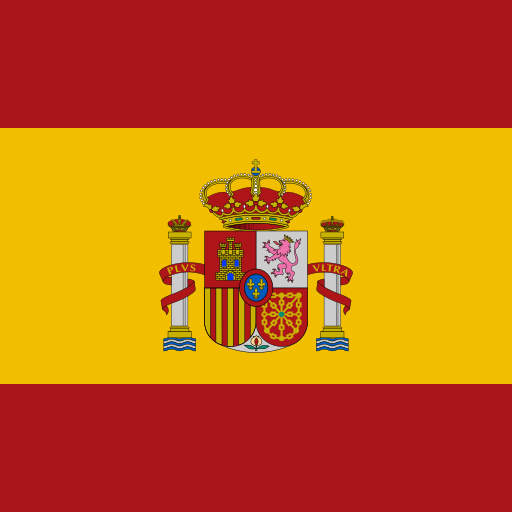
SpainPriorat, Catalonia, Aragon, Rioja, Penedès, Terra Alta, Montsant
5 644 ha
ItalySardinia, Sulcis, Lazio, Cerveteri
1 748 ha
ChileMaule Valley, Secano Interior
843 haIf you like this grape variety...
Keep reading and discover other grape varieties.
Grape variety fact sheet
Origin
France