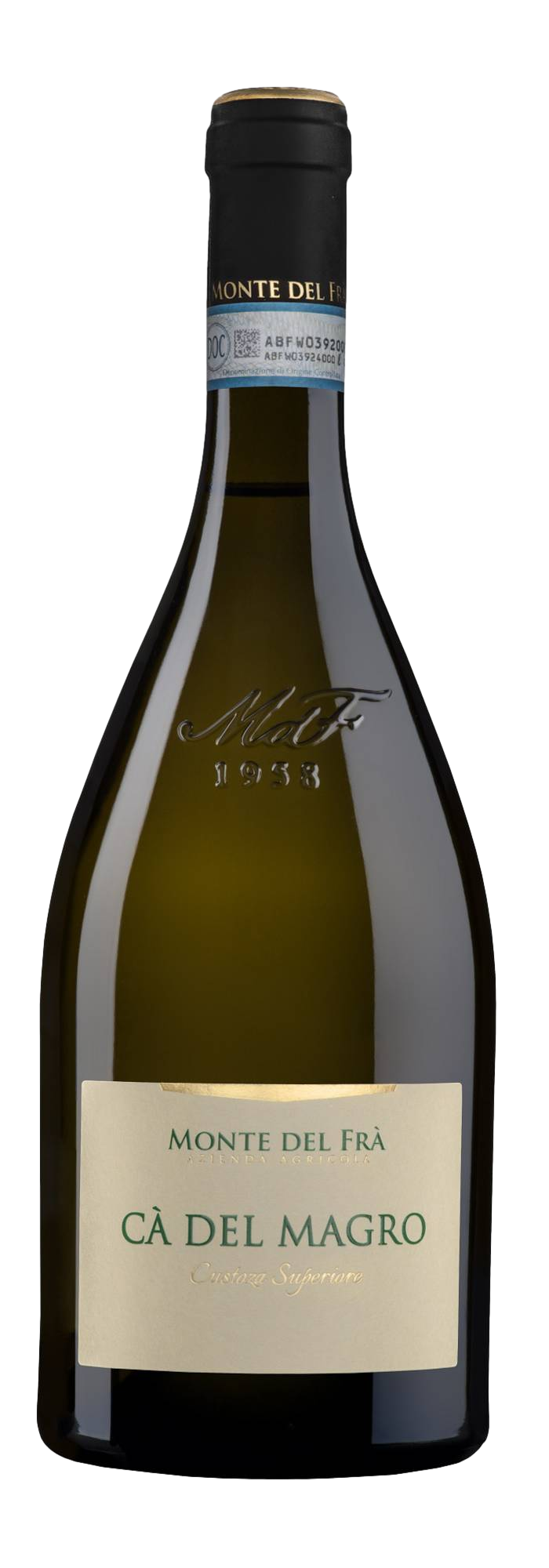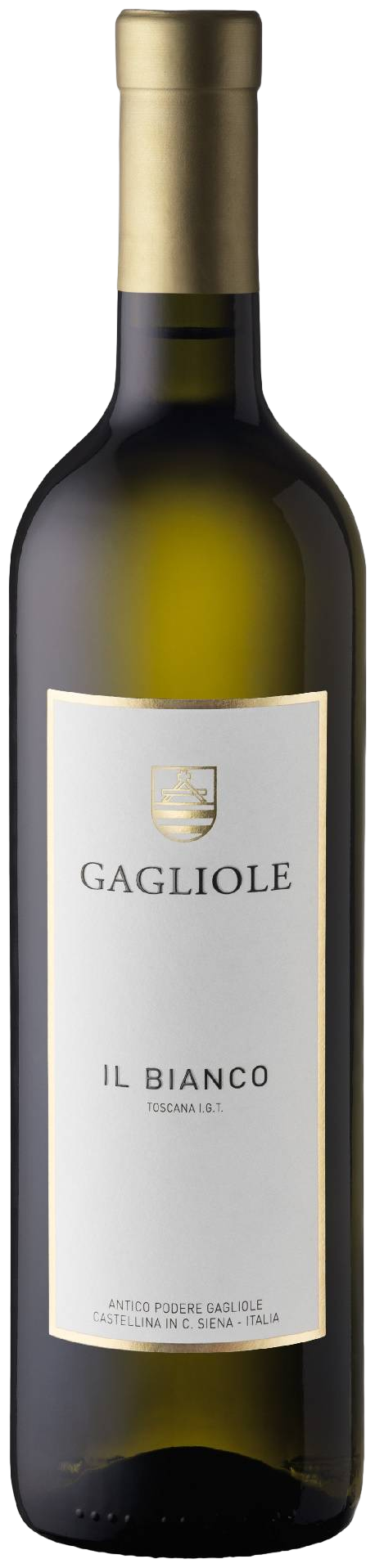
ProcanicoUmbria's secret white: the local name for Trebbiano creating crisp, coastal wines
Procanico is the traditional name for Trebbiano Toscano grape in the regions of Umbria and Lazio, particularly around Lake Bolsena and the coastal areas. While Trebbiano is Italy's most widely planted white grape, the Procanico designation carries special significance in the historic Orvieto wine region, where it has been cultivated since Etruscan times.
What makes Procanico special is its expression in volcanic soils near Orvieto's dramatic cliffs and around the islands of the Tyrrhenian Sea. Here, the grape produces wines with more character and minerality than typical Trebbiano, often blended with Grechetto and Malvasia. The microclimate and ancient winemaking traditions of these areas give Procanico wines a distinctive freshness that has made Orvieto Classico a beloved Italian white for centuries.
How to recognize this grape variety?
Procanico wines are light to medium-bodied with crisp acidity and delicate aromatics. Expect fresh notes of green apple, pear, white flowers, and citrus zest, often with a subtle almond finish typical of the Trebbiano family. The volcanic soils of Orvieto contribute a distinctive mineral edge, adding complexity to the wine's clean, refreshing profile.
On the palate, Procanico is dry and smooth with a pleasant crispness that makes it incredibly food-friendly. It pairs beautifully with lake fish like perch or pike, fresh seafood, light pasta dishes, white meats, and the local Umbrian specialties. The wine's understated elegance and bright acidity make it perfect for warm afternoons and casual dining, especially when served well-chilled.
Procanico production around the world
Here's the list of the top 5 producers of Procanico worldwide.
FranceCognac, Charente, Charente-Maritime, Southwest France
90 000 ha
ItalyTuscany, Umbria, Lazio
21 500 ha
ArgentinaMendoza, Northern regions
5%
BulgariaSouthern wine regions
3%
AustraliaNew South Wales, South Australia
2%Grape variety fact sheet
Origin
Italy