

Jermann
Villanova di Farra d'Isonzo, Frioul
Jermann's story starts in 1881 when Anton Jermann packed up his life in Austrian Burgenland, crossed through Slovenia, and settled in Villanova di Farra d'Isonzo. He wanted land to grow vines, and he found it where the Isonzo river splits the plain in two: red gravel and clay on one bank, white gravel over limestone on the other. The sea breathes cool air in from the Adriatic, the mountains hold off the worst of the cold, and together they give this corner of Friuli a rare, steady climate for ripening grapes slowly. Decades later the family added a second site in Dolegna del Collio, where ancient marl and sandstone soil, locally called ponca, gives the wines a different kind of tension altogether.
The man who turned a family farm into a name people argue about at dinner tables is Silvio Jermann. He trained as an oenologist, worked abroad in Canada when his father wasn't ready for his ideas, and came home with a plan nobody in Friuli had tried before. Instead of separating varieties, he picked an old field-blend vineyard and worked it as one. He was watching what Mario Schiopetto was doing nearby, cleaning up Friuli's whites, and he pushed that idea further. He kept yields low, harvested late, fermented cool, and later broke another rule by sealing his best bottles under screwcap instead of cork, convinced it kept the aromas honest for longer. Twenty of the estate's 170 hectares are now organically farmed, and the Ruttars cellar in Collio runs on real sustainability credentials, not just a label on the door.
In 2021 Antinori bought a majority stake, but Silvio stayed on, still shaping the wines with the same restless curiosity he had at twenty. That continuity matters, because Jermann's wines have always been about patience rather than trend.
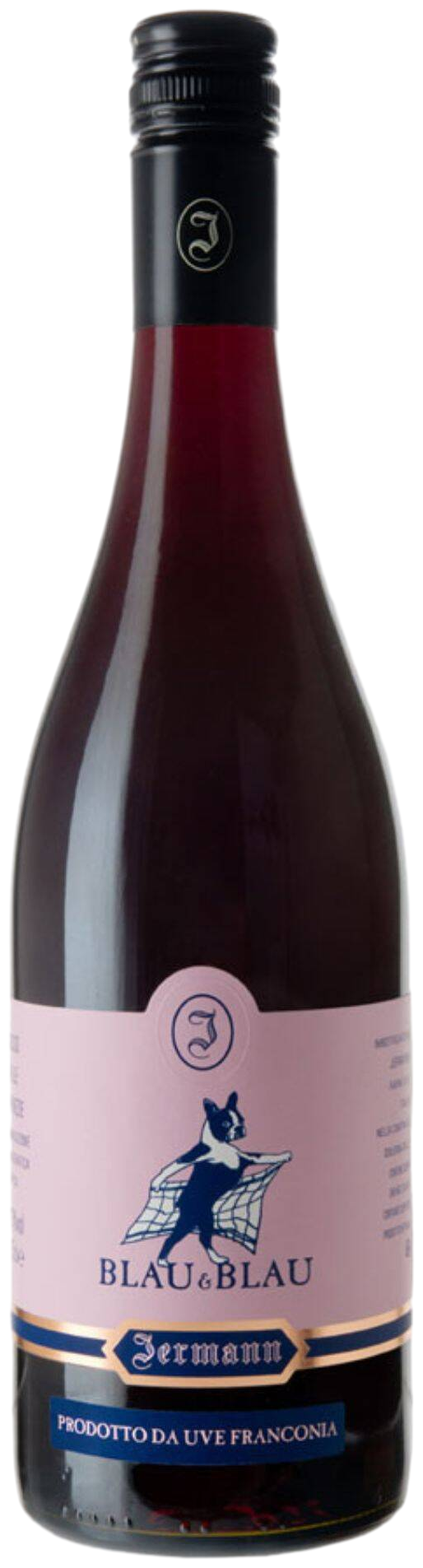
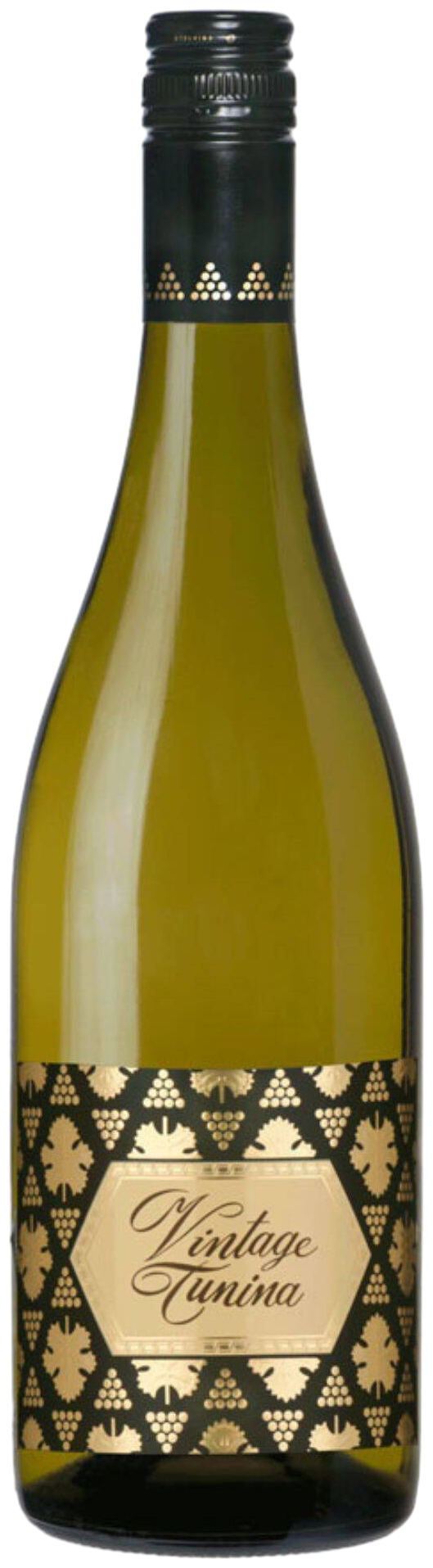
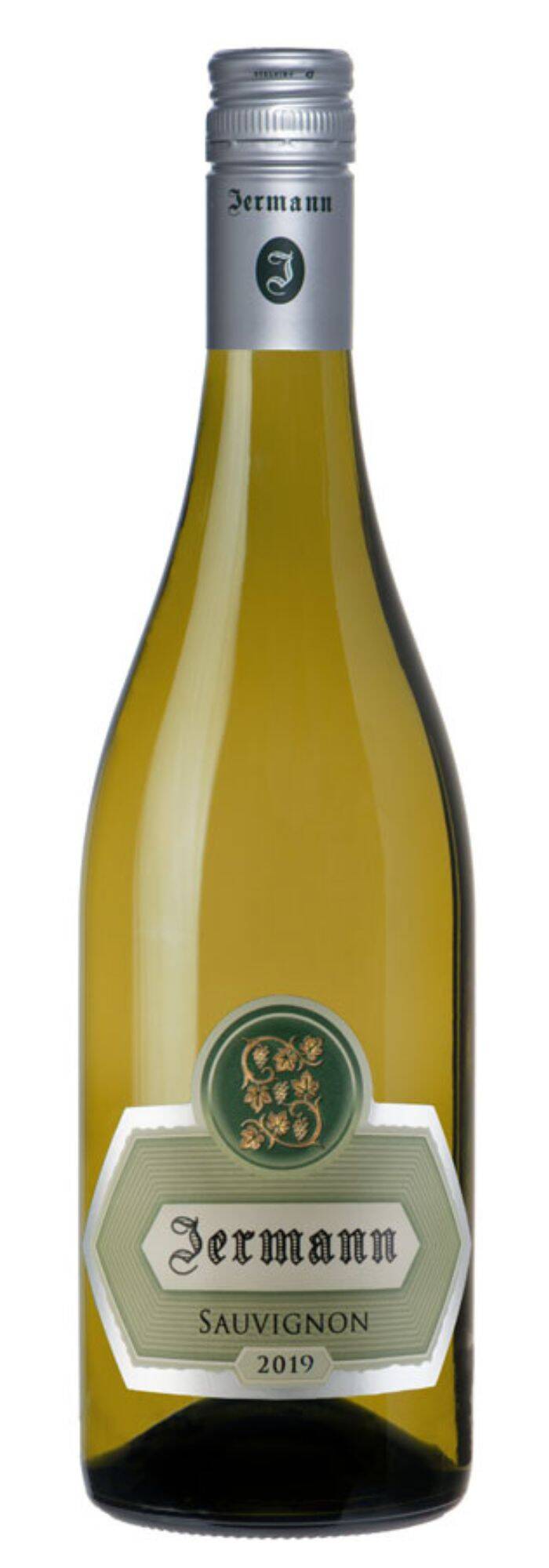
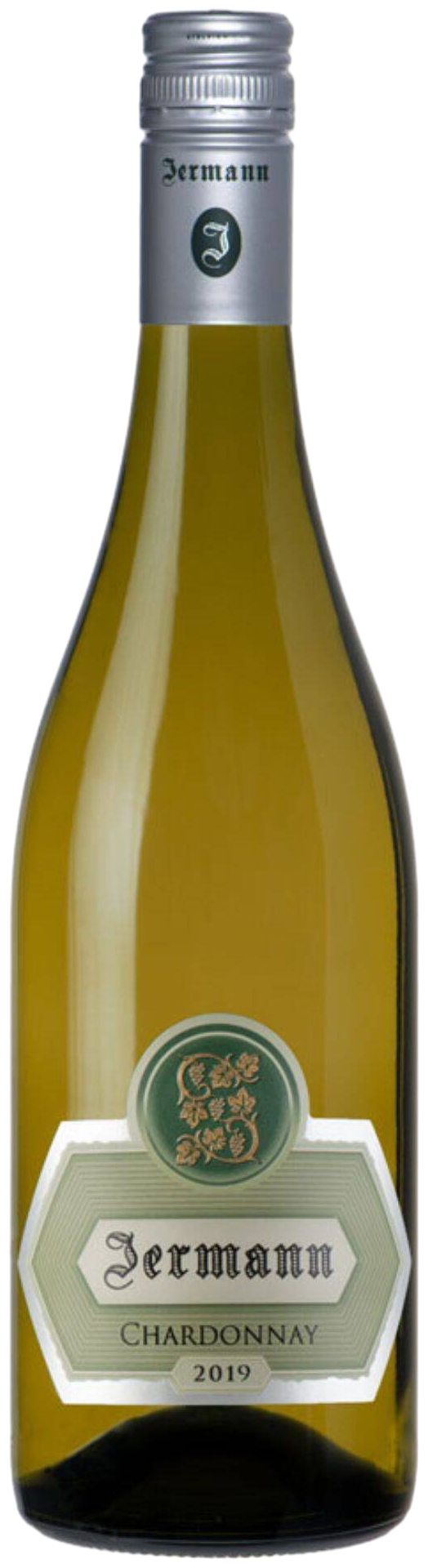
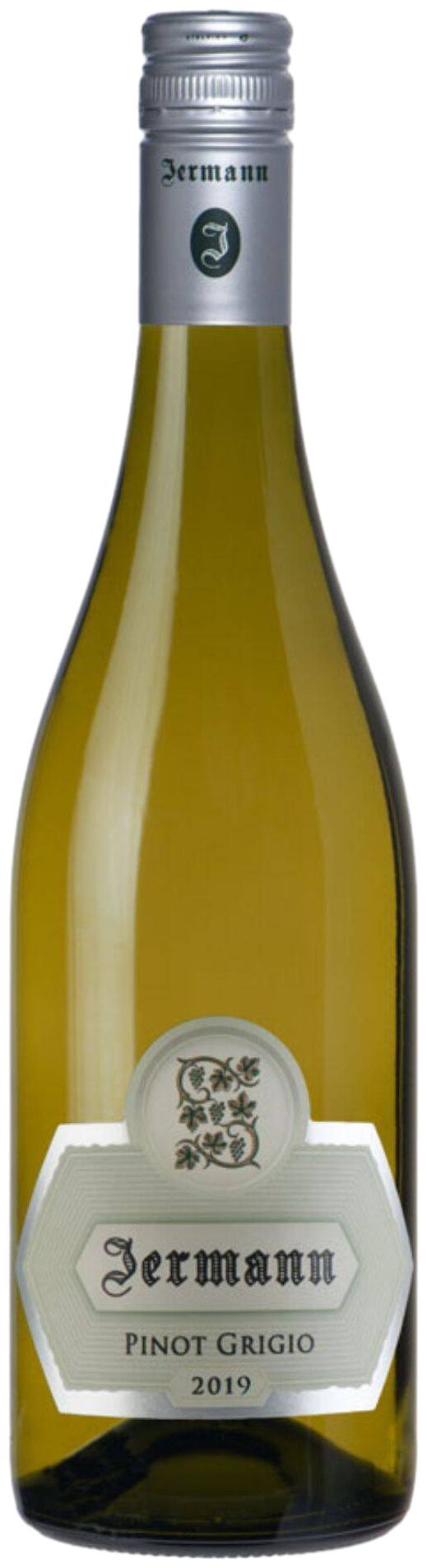
The wine that put Jermann on the map is Vintage Tunina, first made in 1975: a field blend of Sauvignon Blanc, Chardonnay, Malvasia Istriana, Ribolla Gialla and Picolit that shouldn't work on paper and works beautifully in the glass. Alongside it sits Dreams, a chardonnay aged in large neutral oak foudres for extra weight, and Capo Martino, built mostly from native grapes off a single hill. The range widens from there: crisp varietal Pinot Grigio, Ribolla Gialla and Sauvignon for everyday drinking, sweet Picolit for something rarer, and reds like Pinot Nero and the tannic, structured Pignolo for anyone who thinks Friuli is only about whites.
Buy wines from Jermann
Time to start tasting. Find your favourite among all these great wines crafted with passion.
You have the ideas.
We have the perfect wine.
Tired of overthinking your wine choice? Just tell us in a few words why you need a bottle and we'll find the perfect wine in under a minute.