
Vaud wines: Chasselas, Lavaux and much more

Only preceded by its Valais neighbor, the canton of Vaud is Switzerland's second-largest wine producer. The numbers are staggering: 4,000 hectares of vineyards and no less than 40 million bottles per year, half of which are consumed around football pitches every Saturday and Sunday, according to the naysayers 😆
More seriously, the people of Vaud can be proud of their wine. Each of the 6 wine regions has its own terroir and therefore its own identity. The vineyards are splendid and allow for the cultivation of high-quality grapes to produce wines that form no fewer than 8 AOCs. Yet, despite recognition from experts and the reputation enjoyed by its flagship grape variety called Chasselas, Vaud wines sometimes suffer from an image deficit. We'll come back to that later.
In the meantime, let's discover together the richness of Vaud wine.
The history of viticulture in the canton of Vaud
Viticulture in the canton of Vaud has a long history dating back to Roman times. The Romans introduced the vine to the region and wine culture developed over the centuries.
In the 19th century, phylloxera devastated the Vaud vineyards, but thanks to replanting efforts and the adoption of new techniques, the wine industry slowly recovered.
As almost everywhere else, the 20th century made way for industrialization with wineries that developed exponentially, sometimes leaving quality aside, it must be admitted. Recent years have seen a return to roots, with a new generation of owners taking the reins at a time of climate challenges and new consumer awareness.
If you're interested in the history of viticulture, we invite you to visit the Musée de la vigne et du vin, located at the Château d'Aigle. The place is splendid and you'll have the opportunity to discover a unique collection of 400,000 wine labels.
Today, the canton of Vaud is renowned for its production of quality wines, particularly its famous Chasselas. Despite the worldwide recognition of these specialties, the people of Vaud maintain a love-hate relationship with their wine. This is how promotional bodies were set up, starting with the Office des Vins vaudois, but also the Confrérie du Guillon.

How to choose your Vaud wine?
You're at a restaurant, at a wine merchant, or even at Placette or Coop (😉), how do you choose a beautiful bottle of Vaud wine?
Actually, the system is quite simple, as it comes down to 3 levels, which we'll cover from the most recognized to the most standard.
Premier Grand Cru
Among the Vaud stars, there's Stéphane Chapuisat, Stan Wawrinka and the Premiers Grands Crus. And they're not legion, since only 26 wines share this honor in 2022.
The selection criteria are very demanding and a commission of experts has the heavy task (well, they're tasting good wines, let's not exaggerate 😜) of distributing this high-quality label. To do this, they base their decision on 3 pillars:
- The reputation and history of the estate. You have to make your mark and have it recognized far and wide.
- Top quality, vintage after vintage. No room for improvisation, the level must be excellent every year.
- Aging potential. The goal is to be able to keep the bottles in the cellar for at least 5 to 10 years.
In addition to technical parameters that we'll spare you the details of, know that the Premier Grand Cru designation is reserved for the following grape varieties: Chasselas, Gamay, Pinot noir, Gamaret, Garanoir, Merlot. In fact, there are no Premier Grand Cru Pinot noir or Merlot in 2022.
Grand Cru
We go down one level, but we stay in quality territory.
To make a Vaud Grand Cru, the recipe is simple and effective:
- The grapes must come from at least 90% of the production area or commune. The remaining 10% must come from a vineyard in the same AOC
- The vintage must be mentioned
- The natural sugar content must be 5°Oe higher than what is required for the grape variety and region. Basically, we need really juicy and sweet grapes.
8 AOCs
The Vaud vineyard is divided into 6 regions and 8 AOCs, which we'll detail in a few lines. A little patience, for heaven's sake 😃
6 regions and 8 AOCs that make Vaud wines shine
The Vaud vineyard is spread over the entire surface of the canton. It's quite simple, wherever there's a nice sunny hillside, they plant vines. And not just any vines!
The 6 Vaud wine regions each have their own charm and assets. Let's take a tour of the canton, starting east of our Grandvaux office.
La Côte, the largest Vaud vineyard
With nearly 2,000 hectares, La Côte is by far the largest wine region in the canton. It stretches from Morges to Nyon, along the northern shore of Lake Geneva, with the Alps and Mont Blanc as a backdrop. Needless to say, the setting is spectacular.

The terroir is varied, between glacial moraines and clay-limestone soils, which allows for a beautiful diversity of wines. Chasselas reigns supreme, producing fresh and elegant wines like Féchy, Mont-sur-Rolle or Tartegnin. But La Côte is also a wonderful playground for reds: Pinot Noir, Gamay and blends based on Gamaret produce remarkable results.
It's also in La Côte, in St-Prex, that the famous Servagnin was resurrected. And it's here that you'll find some of the most innovative estates in the canton, which don't hesitate to experiment with grape varieties like Syrah, Merlot or Sauvignon Blanc. If you're looking for both tradition and modernity in your glass, La Côte is for you.
Chablais, at the gates of Valais
At the tip of Lake Geneva, between Villeneuve and Bex and on the first foothills of the Vaud pre-Alps lies the Chablais region. Gone is the lakeside atmosphere, we move under the influence of the Rhône.
It's here at the foot of the mountains that the stony and limestone terroir allows for the creation of exceptional wines, where mineral notes reign, notably the very recognizable gunflint. Under the influence of the foehn, the warm wind that blows from the south, the vine warms up and allows the grapes to flourish, giving the wines more power and taste than elsewhere in the canton.
Chablais is a very beautiful region for tasting Chasselas, but also Pinot noirs and red blends with Gamaret or Garanoir.
Vully, the largest of the small appellations
They terrorized us when we traced maps in geography class, the Vaud and Fribourg enclaves now come to intrude into your wine guide 😉
Straddling the cantons of Vaud and Fribourg, Vully is a still little-known appellation, but with a flattering reputation. The smallest Vaud wine region in surface area, it's full of great wines produced by talented estates.
Vully is also a place where time seems suspended. On the shores of Lake Morat, under the watchful eye of Mont Vully, your Sunday walk will take on a peaceful air, between villages with typical houses and fairy-tale landscapes.
Despite only 50 hectares to exploit, the variety of Vully wines is great and it's an appellation to discover absolutely.
Bonvillars, the love-hate relationship with Burgundy
On the shores of Lake Neuchâtel, Bonvillars is a witness to the history of viticulture in the canton. As you stroll through the region, you'll discover the vestiges of the medieval past and the conflicts that occupied the ancestors of its inhabitants against Burgundian invaders.

The good news is that they left Pinot noir as a parting gift, which is pretty nice. 😋
Well helped by a climate that keeps it sheltered from bad weather and by limestone terroir, the Bonvillars region produces wines of refined character with silky tannins.
Côtes de l'Orbe, the vine in the countryside
Burgundian inspiration continues after Bonvillars, this time in the little-known region that is nevertheless far from lacking charm and beautiful finds.
In the small villages that populate the appellation hide lovely treasures for those who pay attention. The climate and rural landscapes make this very beautiful region a little Burgundy. The south-facing orientation of the vineyard is moreover very favorable for red wines, which represent two-thirds of the 180 hectares of vines.
Unsurprisingly, Pinot noirs flourish very well there, producing subtle and crunchy wines. If you want to discover an underground appellation full of talent, take a tour between Eclépens and Yverdon-les-Bains and meet the 50 operators of this beautiful region.
Lavaux, the terraced vineyards listed as a UNESCO World Heritage Site
We end in style with probably the most famous appellation in the canton, or at least the one whose panorama leaves us speechless. And it's not for lack of hanging around there regularly... 😉

Lavaux and its terraced vineyards extend from the entrance to Lausanne to the Château de Chillon, another iconic Vaud monument. No less than 760 hectares of vines are cultivated there, sometimes defying gravity, so steep is the slope!
What makes the appellation special is its rich and varied terroir. And when we say terroir, we say Chasselas. We won't beat around the bush, Lavaux is the place to drink when it comes to the king grape variety among the people of Vaud.
Little insider tip, if you really love wine, Lavaux is to be avoided during open cellars. Its paths are invaded by tourists of all kinds and you won't have the opportunity to chat with the wine owners. Come back another day to taste the delicious wines of the region.
In addition to the Lavaux AOC, the region has two specific appellations that crown its legendary terroirs: Dézaley Grand Cru AOC and Calamin Grand Cru AOC.
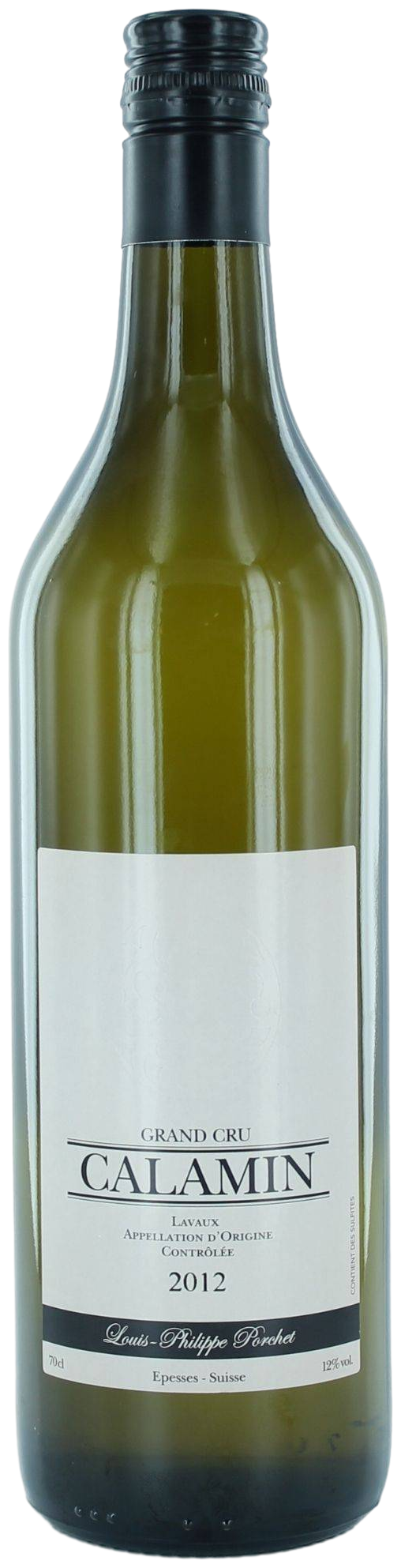
Calamin isn't even a village or hamlet. It's actually 16 small hectares facing the lake, with the panoramic Corniche road above its head. Small in size, Calamin is a great appellation in terms of quality. Its Grands Crus are pearls of flavor to taste absolutely.
As for Dézaley, what can we say, except that you'll face the Sagrada Familia of Vaud wine when you face it from the cantonal road or aboard a CGN boat. The slope is very steep, the vines were shaped by hand with bravery and you'll quickly understand that the clay-limestone terroir delivers juice of very rare quality, but which is not so easy to access.
Indeed, Dézaley wines like to stay in the cellar for a few years, and they're among those Chasselas that you can forget for decades before opening them to rediscover them with a different eye or palate.
🎶 Don't you know Dézaley, a glass, a half, it works! We hope you know the song, otherwise, it's not too late to get into it.
The 10 grape varieties of Vaud wines to taste at all costs
Swiss viticulture is special because it leaves a lot of freedom to those who cultivate its land. The climate is varied, the appellations not very restrictive, which allows Vaud estates to offer a wide range of grape varieties. We've selected the most typical and interesting ones to taste.
Chasselas
We obviously start with Chasselas. The largely dominant grape variety in our little corner of paradise, but declining in recent decades, it makes the reputation of many Vaud Grands Crus (Dézaley, Calamin, Féchy, Yvorne, to name just a few). When you cross the Rhône, it changes its name to be called Fendant.
Chasselas are terroir wines and not grape variety wines. In other words, depending on their origin and their winemaker, they can vary from a light aperitif wine without special flavor to a jewel of subtlety that will perfectly accompany fish (from the lake of course!) or poultry.
Generally, Chasselas will give a dry wine marked by its minerality, with medium acidity and a pale yellow robe. Its aromatic potential will release beautiful floral notes, linden, citrus and white fruits.

Even if it's at the top of this list for its popularity, Chasselas is by nature a delicate grape variety to understand. If you're starting your wine journey, we advise you to taste it from different appellations and at regular intervals, to see the evolution of your palate. As always, follow our motto: explore, taste, repeat. 😋
Pinot gris
A very popular grape in the world, particularly where it's a bit chilly, Pinot gris is the 5th (or 6th depending on sources) white grape variety in Switzerland. It's quite natural that it finds its place on the hillsides of the canton of Vaud.
Pinot grigio are dry wines, with a darker yellow robe than average, which release beautiful floral scents and fruity notes of peach, apricot, citrus or melon. They tend to be rich, with a touch of butter.
You can thus taste wines made for aperitifs or that will perfectly accompany a beautiful poultry or fish. If the sauce contains a fruity note, particularly lemon, orange, peaches or apricot, you can get closer to the perfect pairing with Pinot gris.
Pinot blanc
Pinot blanc is the fruit of the natural genetic mutation of Pinot noir, from which it differs only in the color of its berries once ripe. Originally from Burgundy, it's at ease in our beautiful country and is part of the wide range of grape varieties in the Vaud vineyard.
It's a grape variety with little aroma when solo, but which brings structure and richness in blending. It can nevertheless produce wines of great finesse when pampered.
When tasting, you can recognize pear and peach notes on the nose. In the mouth, you'll appreciate lovely citrus notes, like lime, but also a bit of orchard fruits and flowers. It will be the perfect companion for an aperitif terrine or a cheese platter.
Doral
Have you ever wondered what it would be like if Chasselas and Chardonnay had a baby together? One of the answers (because there are several) was found by Jean-Louis Simon in 1965 at the Agroscope Changins-Wädenswil Research Station. This fruit of the fertilization of Chasselas by Chardonnay pollen will be called Doral.
The production of Doral, estimated at 35 hectares, takes place almost exclusively in French-speaking Switzerland. It particularly likes the air of Lake Geneva, and we understand why.
If you don't know Doral yet, we can only encourage you to discover it quickly. You'll have the chance to taste very fine wines, with beautiful aromatic flavors. Both full-bodied but refreshing, with beautiful acidity, its robe will be golden yellow, in the vein of what you could have with a Chardonnay. It will release beautiful notes of apricots, citrus, peach, as well as floral aromas.
It will perfectly accompany asparagus, but also fish terrines, poultry and lake fish. It will also be very comfortable with a platter of local cheeses at aperitif time.
Pinot noir
In red, Pinot noir is the most widespread grape variety in the canton of Vaud with nearly 500 hectares. Symbol of Burgundian viticulture, Pinot noir travels easily as long as the climate remains relatively cool.
Like Chasselas, Pinot noir is a grape that will perfectly transcribe the identity of its terroir and the know-how of its winemaker.
Nevertheless, its wines will often have well-marked notes: on the nose, Pinot noir opens on aromas of red fruits and spices, as well as candied fruits or more animal notes as it ages; its robe is rather light and brilliant. Once in the mouth, the wine is fresh, round, with supple and delicate tannins, letting the magic happen.
Its typical character, and its delicious aromas of cherries, raspberry and redcurrant in red fruits, violet for flowers, pepper and licorice for spices, as well as a bit of undergrowth have even earned it its own verb. When you recognize these delicate notes, you can say it: "it really pinotes" 😉
Servagnin
Servagnin is a true survivor of the vine!
Introduced to St-Prex near Morges in the 15th century by Marguerite de Savoie, it's the first Pinot noir that was cultivated in Switzerland. Unfortunately, it was decimated by disease (and by the immoderate love of Chasselas by the locals 😉), to the point of being completely abandoned.
Completely abandoned? No, 2 miserable vines are found at the bottom of a garden. In the 70s, in addition to grooming their mustaches and curls, the locals will bring this grape variety back to life.
Its vinification now follows a very specific code, both in terms of production and aging. Bottles that have respected the specifications will be able to proudly display their red capsule of the Servagnin de Morges appellation.
Gamay
A grape variety with a bad reputation as it was used to make plonk, should we never say Gamay?
Of course you have to learn to (re)discover it, this Gamay so crunchy that makes wines full of freshness! Its light ruby red robe is unmistakable. Its very marked taste on red fruit, notably cherry, but also raspberry, is its signature. It will often be accompanied by spices and a peppery finish.
Its lightness and fruit make it excel at the table with many dishes, particularly with brasserie dishes, charcuterie and cheese. You now know what to serve at your next papet de "poreaux".
Gamaret
Gamaret is one of three grape varieties, along with Garanoir and Diolinoir, born from André Jaquinet's test tubes in 1970 in Pully. The result of a cross between Gamay and Reichensteiner, its objective was to develop a grape variety that could adapt to the Swiss climate and resist vine diseases.
Gamaret will produce very colorful and well-structured red wines, rich in tannins and able to hang around in the cellar for a few years. It releases aromas of black fruits and spices and can be found both as a single variety and in blending.
It will be an ideal asset for your game meal, grilled meat or to accompany gummy candies.

Garanoir
You got it, Garanoir is also a creation of André Jaquinet. The same formula is used moreover, a cross between Gamay and Reichensteiner.
Garanoir is an idyllic blending wine, but it's also vinified solo, as long as we pay attention to its lack of acidity. It brings a touch of well-marked red fruits and a beautiful color. Its favorite companions are named Gamaret, Pinot noir and Gamay.
Plant robert
Another survivor in the Vaud vineyard. Unlike Servagnin, the action takes place this time on the terraces of the Lavaux appellation. Its origin dates back to at least the 19th century, and it was in 1966 that it almost disappeared from the surface.
Today, only a few estates in Lavaux can boast of keeping this little heritage jewel alive. You'll find on these bottles a distinctive little label of the most beautiful effect.
Plant Robert pleases as much as it repels. Not surprising, because it will produce contrasting wines: wild and distinguished, fine and rustic. We love its garnet color and its beautiful notes both fruity and spicy. A real curiosity to taste in the canton of Vaud.
A multitude of grape varieties in both white and red
Besides the 10 grape varieties we highlighted in this guide, you won't have to limit yourself in the canton of Vaud, which is a true paradise for epicureans.
Typical whites from rather cool regions grow there easily. Chardonnay, the great grape variety of Burgundy was imported and allows for the making of gastronomic white wines. Besides Chardonnay, you can taste wonderful white wines based on Gewürztraminer, Savagnin blanc or Sauvignon blanc.
In red, the menu is also copious. Merlot will be found a bit everywhere in the canton. Syrah will appreciate the gentle slopes and climate of the shores of Lake Geneva in the vineyards of La Côte. Cabernet sauvignon most often grows along sun-drenched walls or in some very exposed parcels.
Why are wine bottles from the canton of Vaud 70cl and not 75cl?
Where did my 5cl go? Am I being ripped off?
Not at all! In Vaud territory, the idea of a bottle that showcases local wines with an authentic and immediately recognizable design was born in 1822. The canton of Vaud promoted a law that year whose purpose was to codify the size and appearance of containers.
The principle is simple:
- The Vaud pot will be 1.4 liters
- The half-pot will be 70 cl
- The small bottle, called the Picholette, will be 35 cl
The original "Vaud pot" and all its derivatives are strictly reserved for Vaud AOC wines harvested and bottled in the canton of Vaud.
From there, the bottle size remained and that's how Vaud wines bearing the AOC remained at 70 cl or 1.4 liters for the equivalent of magnums.

Our selection of Vaud wines
We could have chosen dozens, our Vaud favorites are so numerous, but we limited ourselves to 3 wines that wonderfully represent the diversity of the vineyard. Head to Lavaux!
Epesses Domaine Croix Duplex blanc 2023
We start with a Chasselas that breathes the authenticity of the Lavaux terraces. Maude Vogel from Domaine Croix Duplex signs here a Chasselas-Sylvaner blend of beautiful finesse. The nose opens on very pure mineral notes, with touches of delicate white fruits. In the mouth, it's a real caress: Chasselas brings its natural finesse while Sylvaner adds a beautiful structure and welcome freshness. The whole remains very balanced, without heaviness. Perfect with fondue, lake fish or simply an aperitif with friends.
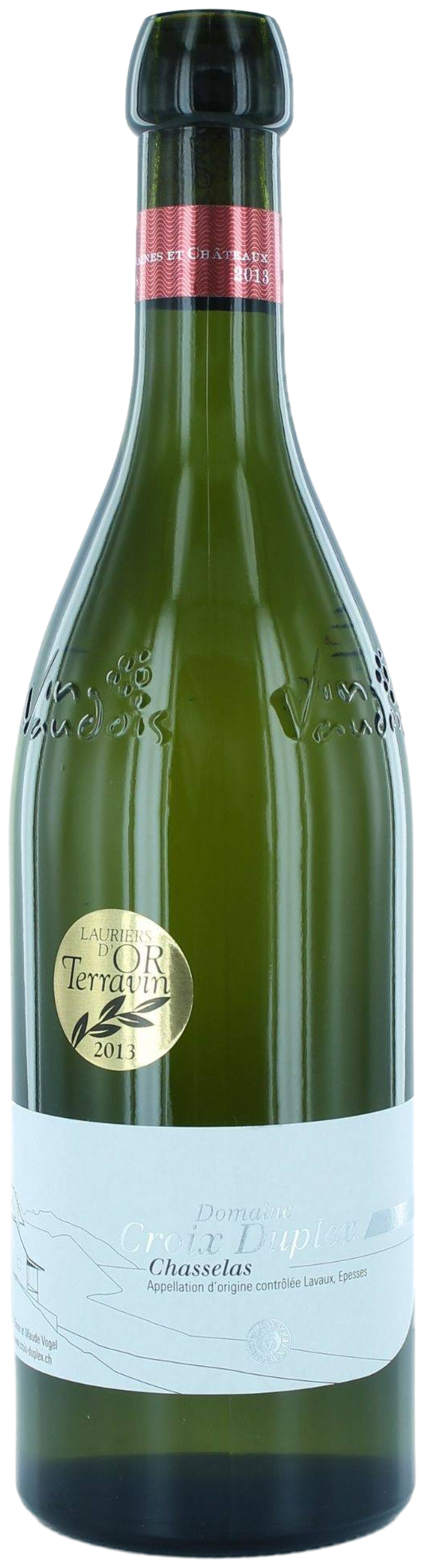
Switzerland • Vaud • Lavaux AOC
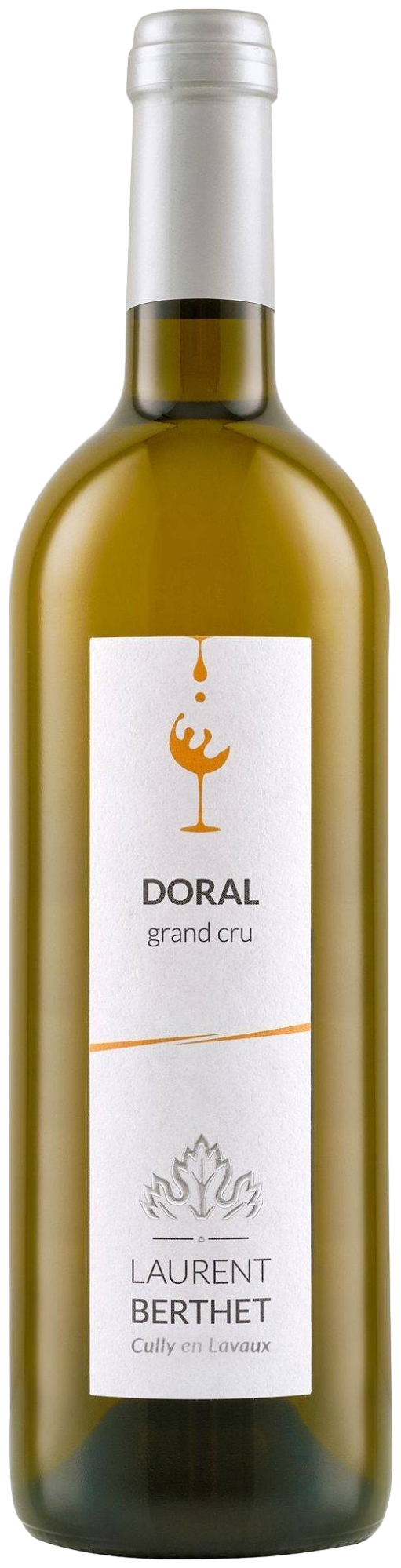
Doral Grand Cru 2024 from Laurent Berthet in Cully
We continue with an ultra-Vaud specialty. Laurent Berthet in Cully delights us with his Doral Grand Cru, this typically Romandy Chasselas-Chardonnay cross. In the mouth, mirabelle plum, fig and pineapple dance with more complex notes of bergamot and fresh butter. Its texture, first supple then ample, is magnificently balanced by precise acidity, giving way to a persistent finish where fruity, spicy and woody notes intertwine with elegance. A true ambassador of the Vaud terroir.
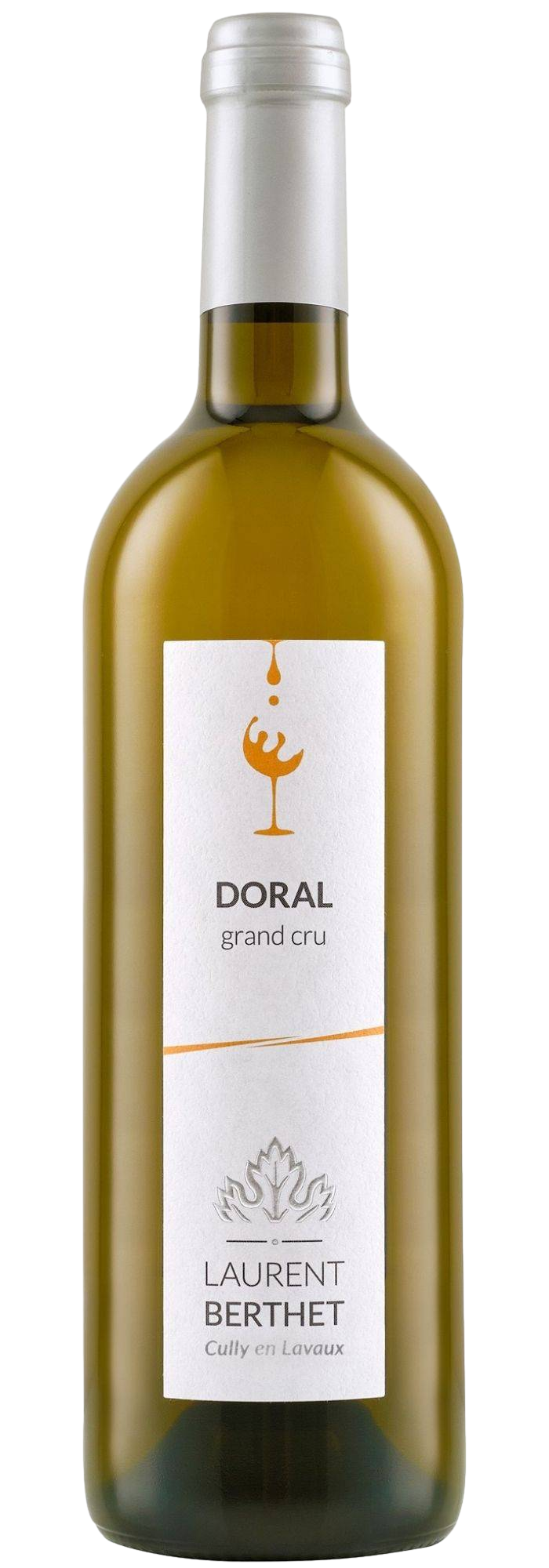
Switzerland • Vaud • Lavaux AOC
St-Saphorin Pinot Noir 2023 from Cave Champ de Clos
In red, our choice goes to a Pinot Noir from St-Saphorin signed by Christelle Conne from Cave Champ de Clos. With its 12.5% alcohol, this wine offers natural elegance and remarkable drinkability. On the nose, aromas of ripe and smooth fruits invite tasting. In the mouth, the attack is supple and harmonious, carried by discreet tannins that leave all the room for the fruit. The finish reveals a subtle vegetal touch, an authentic signature of the St-Saphorin terroir. Serve it slightly chilled between 14°C and 16°C.
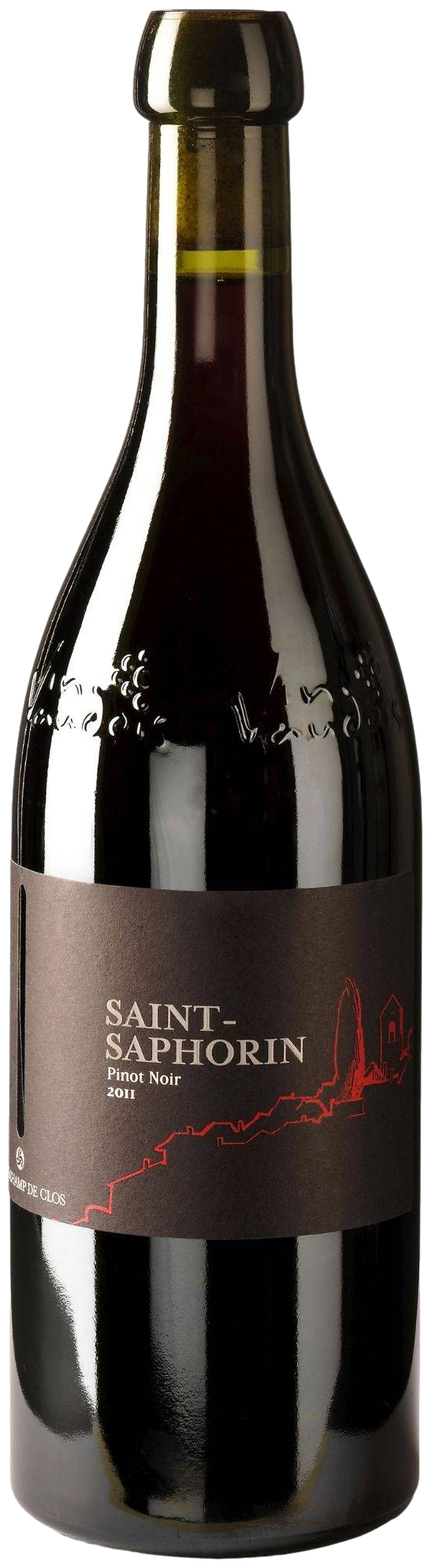
Switzerland • Vaud • Lavaux AOC
What dishes with Vaud wines?
When we say Vaud wine, we say local gastronomy. Here are our favorite pairings to sublimate each bottle.
Papet vaudois: the must-have
Impossible to talk about Vaud wines without mentioning papet. This emblematic dish based on leeks and potatoes is the ideal companion for a fruity and crunchy Gamay. The lightness of the grape variety perfectly counterbalances the richness of the dish. A light Pinot Noir will also do the trick if you prefer a wine with a bit more structure.

Perch fillets and lake fish
Perch fillets from Lake Geneva are sacred. And to accompany them, nothing beats a Chasselas from Lavaux or Chablais. Its minerality and freshness will embrace the fish with a very Vaud elegance. For fish in lemon sauce, try a Pinot Gris or a Doral which will bring a touch of originality.
Fondue and Vaud cheeses
For fondue, Chasselas is king. A Féchy, an Epesses or a Calamin Grand Cru will work wonders with melted cheese. For a platter of Gruyère or L'Etivaz, a dry Chasselas or a Vaud Chardonnay will be your best allies.
Malakoffs and brasserie cuisine
Malakoffs, these typically Vaud cheese fritters, call for a lively white wine to cut through the fat. A young, very fresh Chasselas or a Sauvignon Blanc will work wonders. For brasserie dishes in general, Gamay is your faithful friend.
And after the canton of Vaud?
The Vaud vineyard has no more secrets for you, but Swiss wine country doesn't stop at the shores of Lake Geneva. If you enjoyed the finesse and elegance of Vaud wines, we advise you to continue your exploration with Valais wines, the country's leading wine region. From powerful Syrahs to saline Petites Arvines, Valais has wines of a completely different character, but just as exciting.
Vaud: Discover our wines
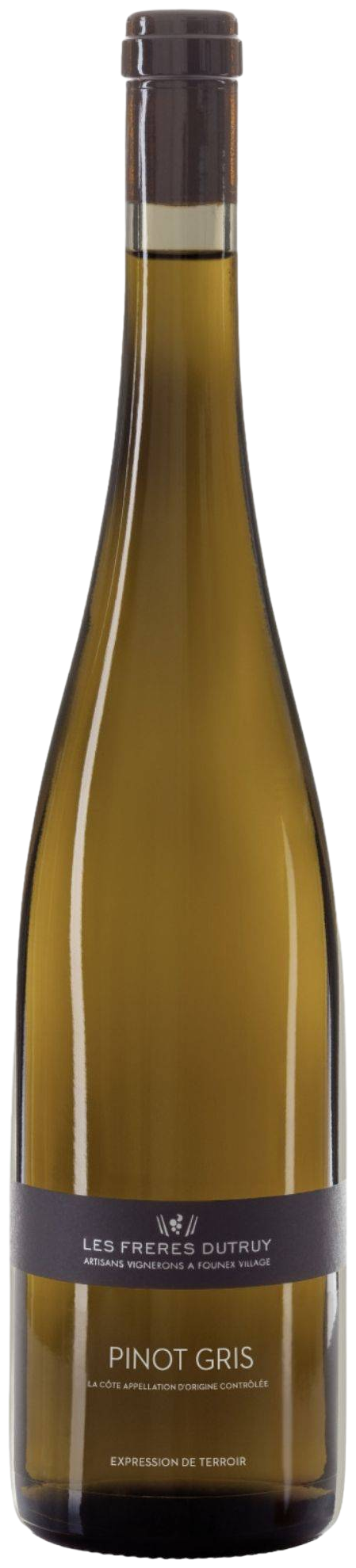
La Côte AOC
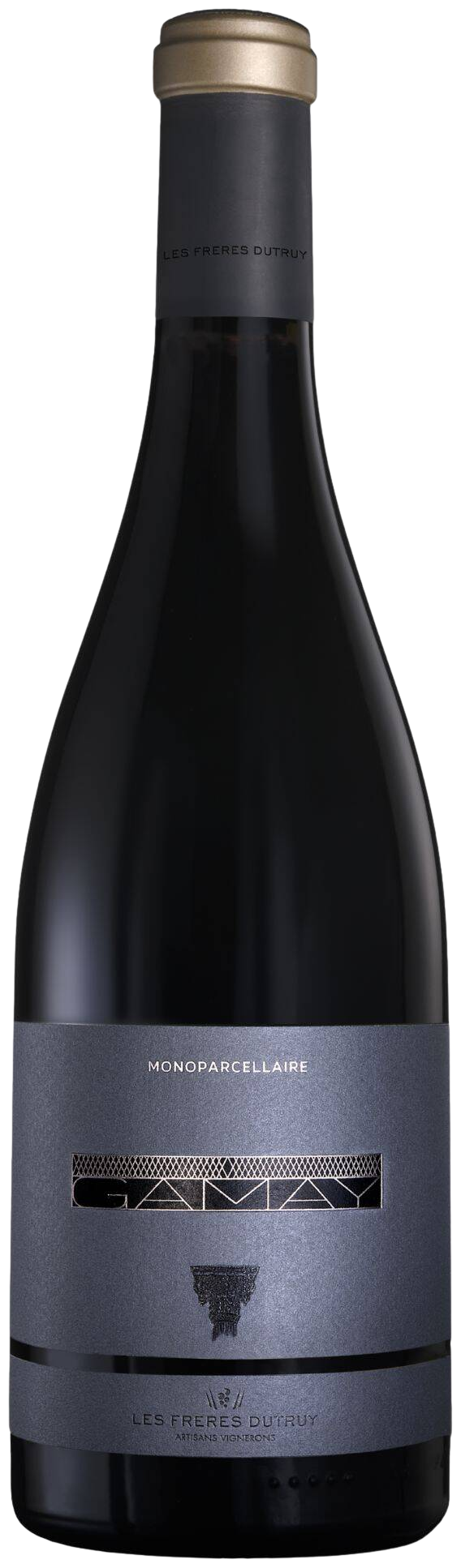
La Côte AOC
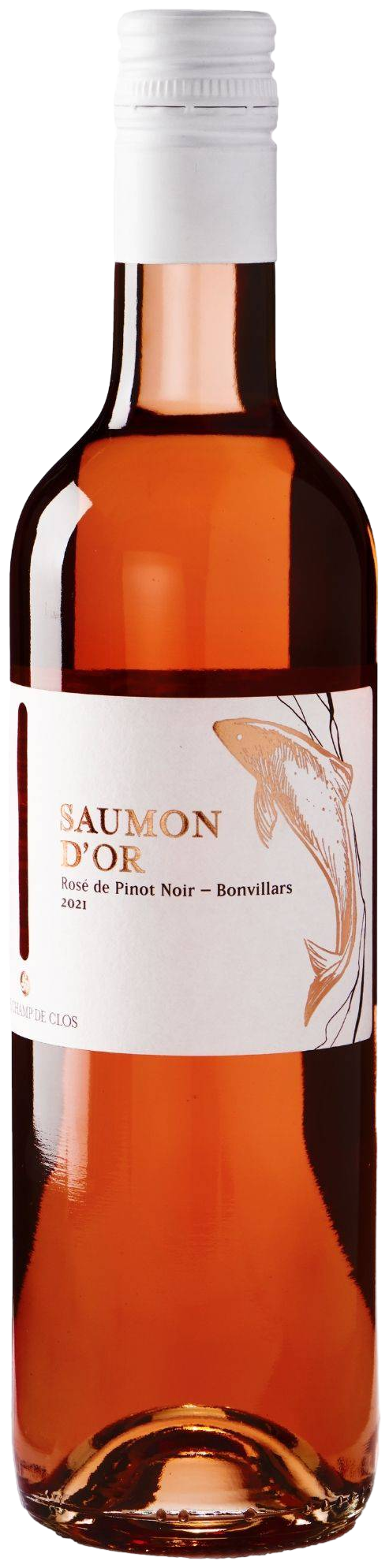
Vaud AOC
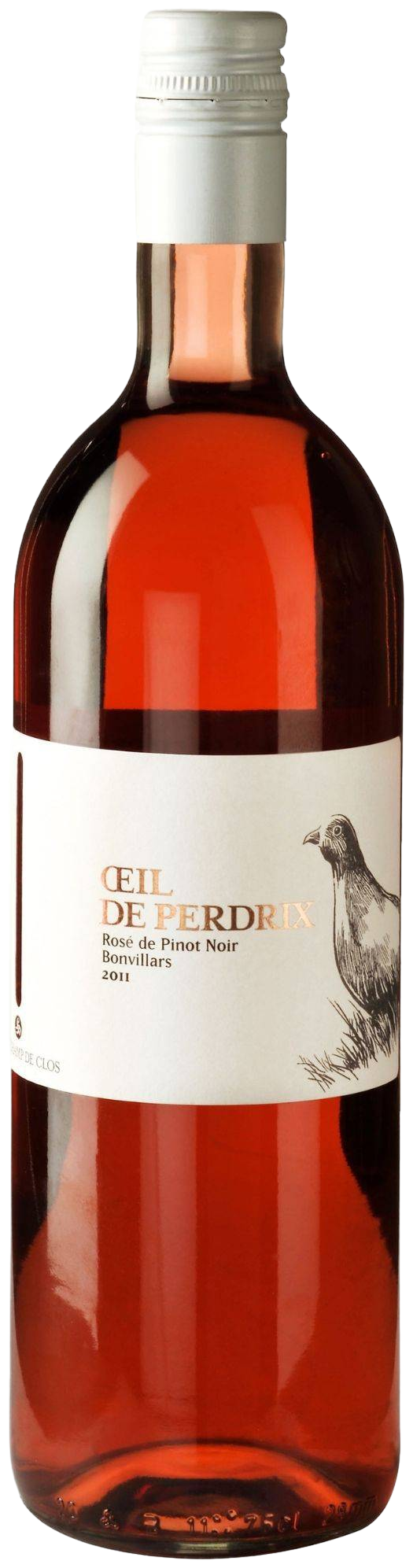
Vaud AOC
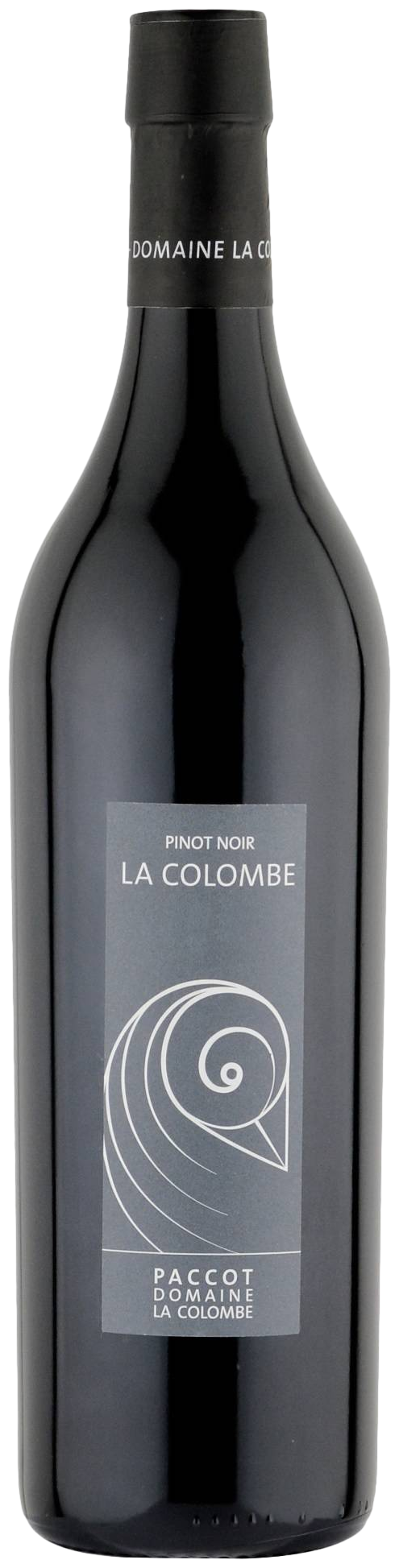
La Côte AOC
Lavaux AOC
Lavaux AOC
Calamin Grand Cru AOC