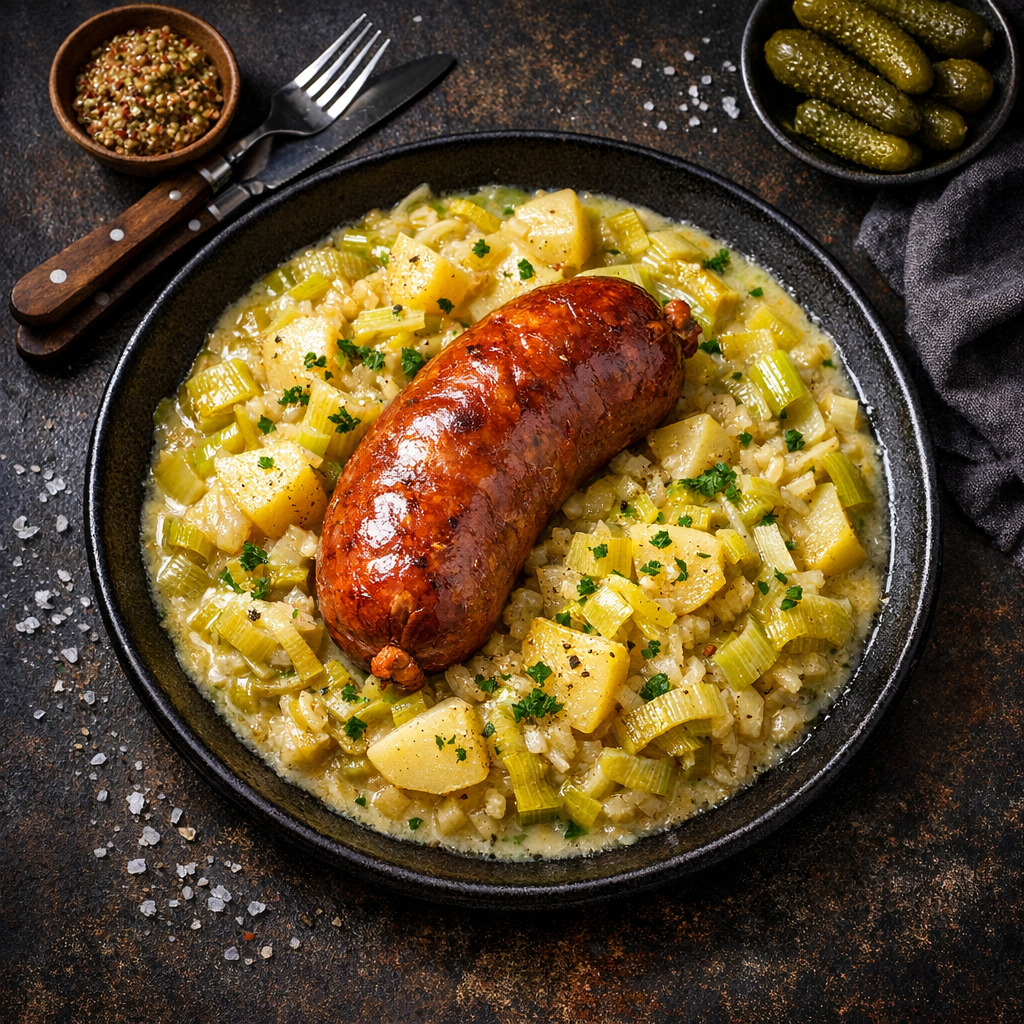
Papet vaudois is comfort food at its most stubborn. Potatoes and leeks cook down slow until they collapse into a soft, buttery mash, wrapped around a fatty saucisse aux choux that's been poached right in the pot. The sausage brings smoke and salt, the leeks bring a mellow sweetness, and butter ties the whole thing together. Nothing here is sharp or acidic on its own, which means the wine has to bring that lift to the table.
What the dish needs is something that can cut through the fat without steamrolling the mash's gentleness. Too much tannin or too much oak and you'll crush the leeks flat. What works instead is real acidity, or tannins so soft they barely register, resetting your palate between bites so the sausage's smokiness comes through rather than just sitting there under the butter.
This is a plate from a canton that grows its own grapes, so it makes sense to pour local. Vaud makes both structured reds and mineral whites built for exactly this kind of rustic weight.
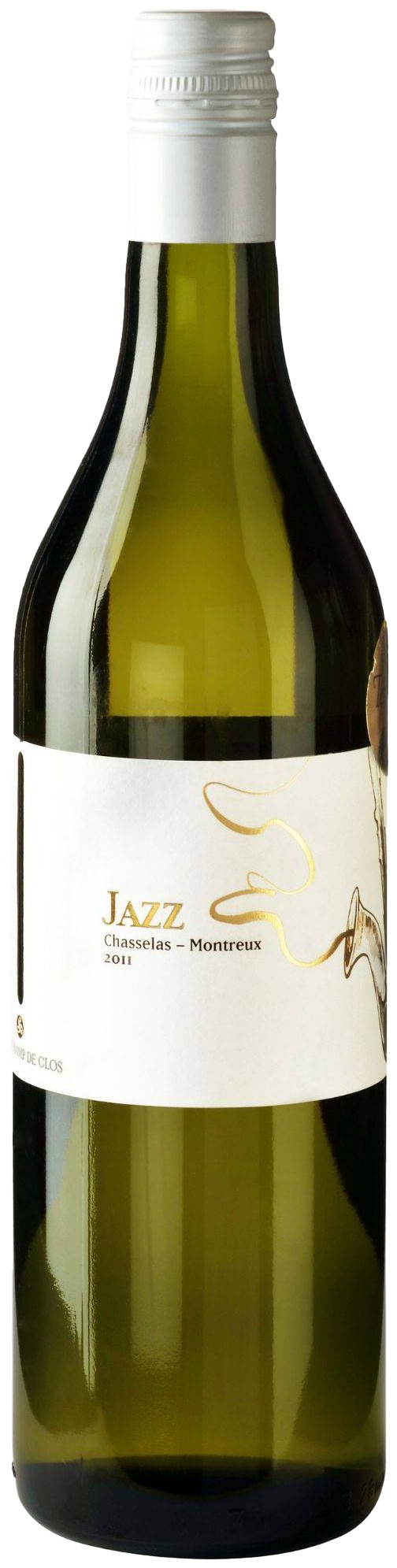
The perfect matchThe white that resets your mouth between spoonfuls
Papet vaudois is fatty, soft and faintly sweet, which is exactly why a Chasselas from Lavaux works so well on it. Its saline freshness slips between the butter and the stewed leeks, clears the palate and hands your appetite back for the next spoonful. A red keeps the dish company, this white keeps it moving.
It also knows when to stay out of the way. No oak, no weight, just tension and a light salinity that answers the smoke in the sausage. It's what goes on the table in the region when the papet comes out, and that habit has reasons behind it.
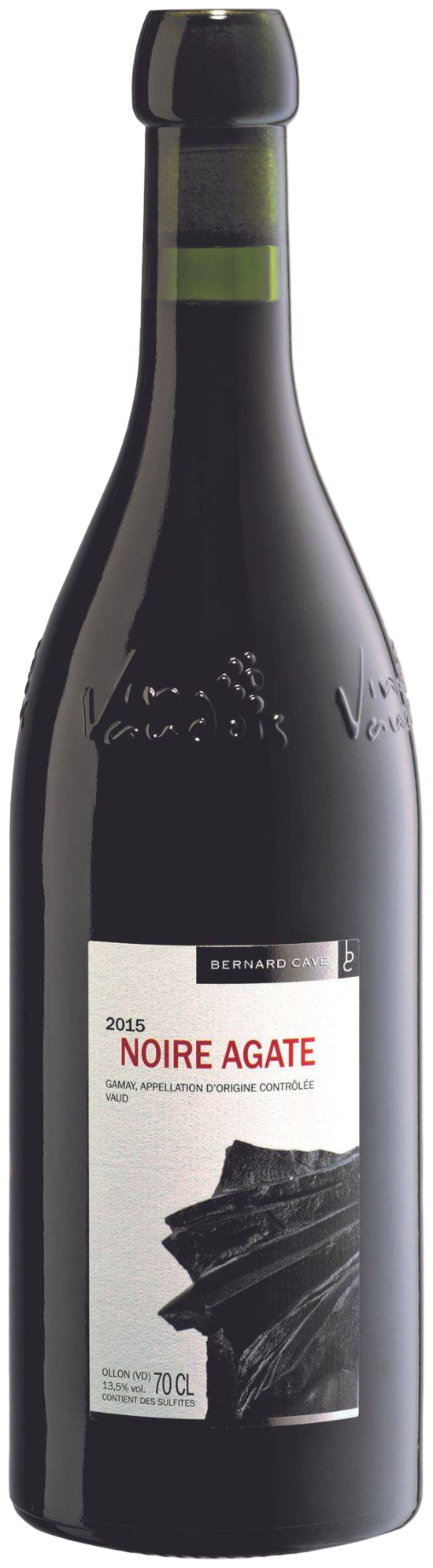
Also greatIf you'd rather have red, this is the one
A papet asks for a white first, but there are tables where red isn't up for discussion, and this Vaud gamay is built for them. The red fruit is bright and the tannins are soft enough to go unnoticed, so it never knocks against a plate that's already rich.
Where the Chasselas cleans up, this one keeps pace. It follows the fat from the leeks and the sausage instead of cutting through it, which makes for a rounder, warmer meal. And since it comes from the same canton as the recipe, nobody at the table is going to argue.
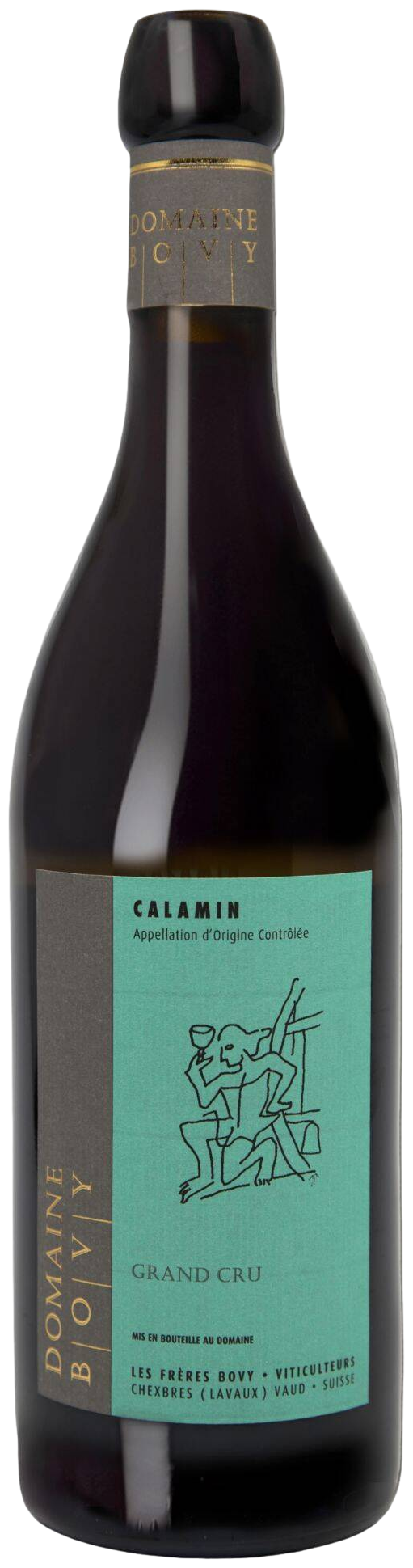
Also greatThe same grape, with shoulders
Calamin is one of the canton's two grands crus, and you taste it from the first sip. The clay soils give this Chasselas a width and a length the everyday bottle doesn't have, without costing it the freshness that does the real work against the butter.
This is the bottle for the papet you've taken trouble over, the Sunday one with a tablecloth and the big pot in the middle. Where the first white rinses, this one goes the distance and stays with the dish to the last forkful. Give it a few minutes in the glass, it wants air.
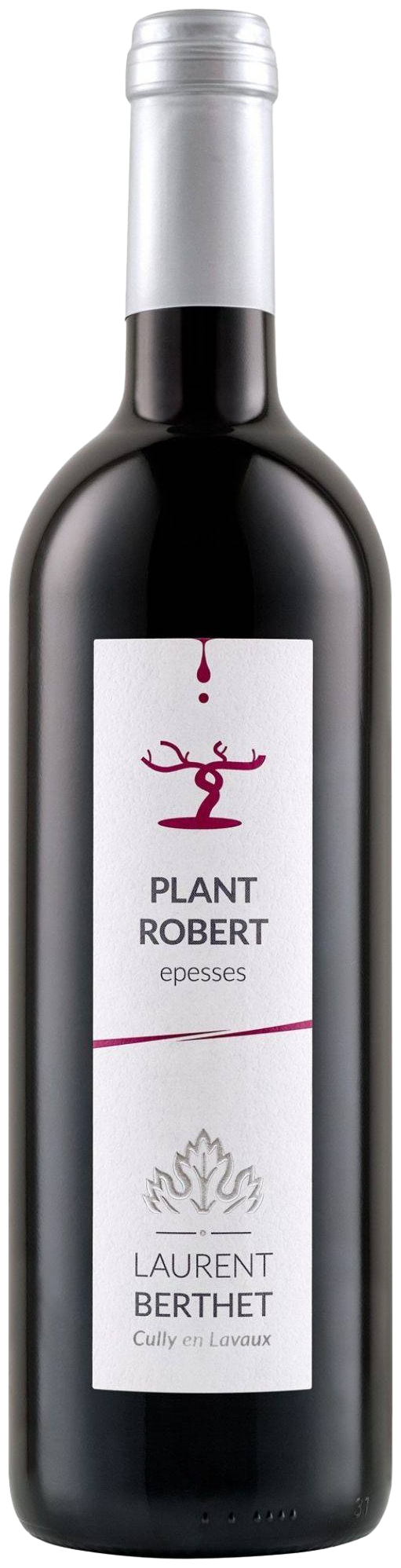
Also greatA Lavaux grape you won't find anywhere else
Plant Robert grows almost nowhere outside the Lavaux terraces, and Laurent Berthet is one of the few people still working with it. Where the Pinot Noir further down answers the dish with weight, this one answers with finesse. Ripe red fruit, fine silky tannins, and a wet-stone minerality that clears away the butter and the sausage fat without adding any bulk of its own.
Serve it slightly cool and it reads fresher still next to the saucisse aux choux. This is the bottle for the evening when you already know the Gamay by heart and want something in your glass that exists nowhere else.
Treat yourselfThe bottle for the papet that's an occasion
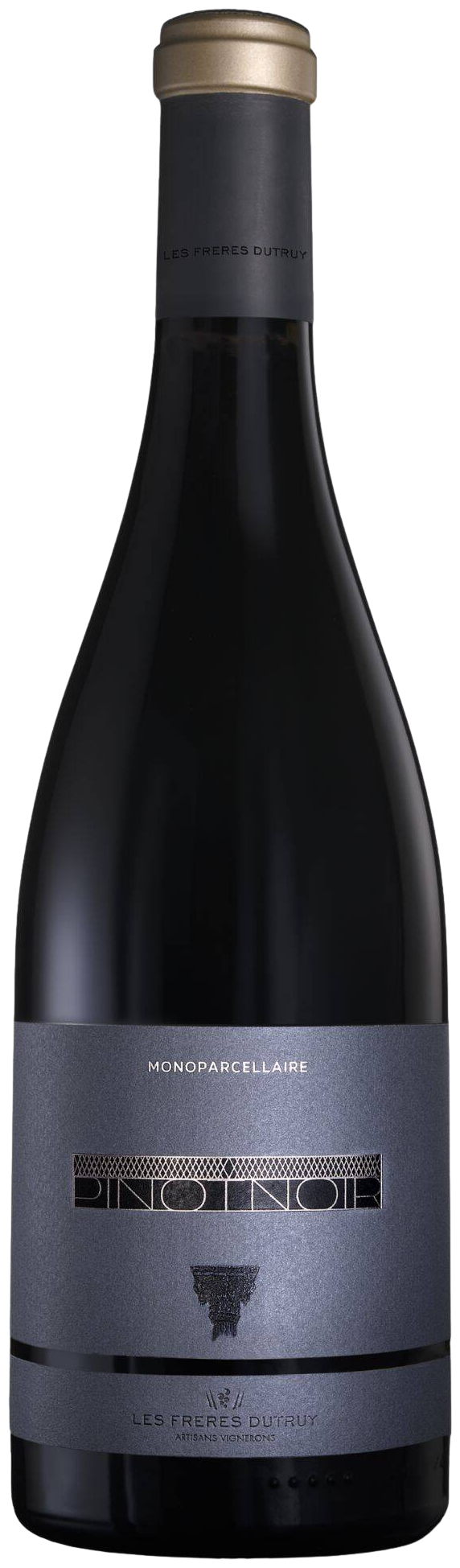
This is the one you open when the meal matters a bit more than usual. The Pinot Noir from La Côte has spent time in oak, and that's where its spice and its depth come from, more of both than any other red on this page. That extra is exactly what reaches the smoke in the saucisse aux choux.
In return it wants a sausage with some character. On a gentle papet it takes up too much room; on a properly smoky, well-peppered one it finally has something to answer. Bring it up from the cellar early and let it open, that's when it gives its best.
We hope you found the bottle you were after for your papet vaudois. This is a dish for a long table, cold weather, and people who don't need convincing to have seconds. Pull the cork once the pot's landed in the middle of the table and let everyone serve themselves. Once you've settled on your bottle, share it with us and tag us, we'd love to see what you poured.
Frequently asked questions
Should I serve a red or white wine with papet vaudois?
Either works, and it comes down to what you want from the glass. A soft-tannin red like Gamay plays with the sausage's smokiness, while a crisp Chasselas leans into the leeks and rinses the palate between bites of the rich mash.
What grape pairs best with saucisse aux choux?
Gamay is a natural match. Its bright red fruit and gentle tannins cut through the sausage's fat without fighting its smoky, savoury character, and it stays light enough not to bury the potato and leek mash underneath it.
My guest doesn't drink red, what should I pour instead?
Pour a Chasselas from Lavaux. It has enough saline freshness to stand up to the buttery mash, and its lighter body means it never feels like a compromise next to the red drinkers at the table.
Does a rustic dish like this need a big, powerful wine?
Not necessarily. Papet vaudois is simple, homely food, and a wine with too much oak or grip will overwhelm it. Soft tannins or clean acidity do more work here than sheer weight or concentration.
Would a sparkling wine work with papet vaudois?
It's not the obvious choice, but it isn't a bad one either. A dry sparkling wine's bubbles and acidity can cut through the butter in a similar way to the whites listed here, though it will feel less rustic against a dish this hearty.
More pairings in Pork
You have the ideas.
We have the perfect wine.
Tired of overthinking your wine choice? Just tell us in a few words why you need a bottle and we'll find the perfect wine in under a minute.