
Tuscany, from Chianti Classico to Super Tuscans

You can't talk about Italian wine without thinking of Tuscany and its hills crowned with majestic cypress trees. The cultural cradle of the country, which has seen the greatest geniuses of this world flock there to stimulate their cortex and creativity, Tuscany obviously excels through its viticulture in both quantity and quality. Thus, Tuscan appellations are countless, whether DOCG, DOC or IGT, it's clear, there are as many as there are hills.
As everywhere in the Boot, the history of Tuscan viticulture starts well before the beginning of our era. It was the Etruscan people who planted the first vines there, then the Greeks who helped them develop their technique. By annexing the region, the Roman Empire, which realized the euphoric and commercial virtues of wine, would definitively place vine cultivation at the center of the local economy. Since then, the Tuscans have remained faithful to their tradition and have been able to modernize their art to allow them to enter the closed circle of the world's most prized wines.
The key to the quality of Tuscan wines comes mainly from its endless hills, a guarantee of an exceptional terroir. Moreover, with a Mediterranean climate to the west near the coast and continental in the center thanks to the protection of the Apennines, the weather is kind to Tuscany, offering it ideal conditions for viticulture.

Tuscan grape varieties, between Sangiovese and Bordeaux inspiration
Sangiovese is the king of Tuscan grape varieties. More than 60% of the vineyard is devoted to it and it's the grape behind the DOCGs of Carmignano, Chianti Classico, Brunello di Montalcino, Vino Nobile di Montepulciano and Morellino di Scansano. It's vinified in red, but also in white.
Better known for its reds, Tuscany still reserves a significant part of its vineyard for white. The most cultivated grape variety is Trebbiano Toscano, which we call Ugni blanc in French. A grape that has often been used to make quantity (or strong spirits like Cognac or Armagnac in France), Trebbiano nevertheless allows for great white wines when the terroir is suitable and the producer brings the necessary care.
In red, besides Sangiovese, you'll find international grape varieties in your glass. Cabernet Sauvignon paved the way in the 17th century by being imported by the De Medici family. Then Merlot, Cabernet Franc and Syrah followed suit, with the success we know.
The Super Tuscans
We'd really like it to be a new Marvel movie, but the Super Tuscans won't be on Netflix anytime soon...
No, behind this pompous name hide the most famous wines of Italy that great connoisseurs and label drinkers snatch up. Sassicaia, Masseto, Tignanello, Ornellaia, you've surely heard of them, maybe even tasted or why not already filled your cellar with them. They are to wine what Baggio, Maldini, Baresi, Totti and Del Piero are to football: legends.
It was in the 70s that a few Italian producers who were fans of Bordeaux wines decided to break with the rules of local appellations that they considered uninteresting. This was convenient, as it had been about thirty years since Marquis Mario Incisa della Rocchetta (like the mineral water) had planted Cabernet Sauvignon in the Bolgheri region. His first wine came out in 1948, it was called Sassicaia, the first Super Tuscan was born. Reserved for privileged few at first, the marquis decided to start commercialization in 1971 with the 1968 vintage. Other winemakers followed his example and that's how international grape varieties like Cabernet Sauvignon, Merlot, Syrah and Cabernet Franc are blended with or without Sangiovese to give birth to the most emblematic wine brands of Italy.
Too bad for the appellations, these wines would come out under the label "Vino da tavola", literally table wine, or plonk. No matter, a whole small group of amateurs began to appreciate it and all it took was a little push from fate for success to arrive.
This event would take place thanks to the influence of critic Robert Parker, who saw there the demonstration of what a great quality wine should be.
50 years later, the Super Tuscans are still talked about. Are they examples to follow by freeing themselves from sometimes rigid appellations? Isn't it a shame that Italian wines increasingly resemble Bordeaux or American wines in a climate of globalization and general uniformity? Is it really worth the price? Everyone sees things their own way, but on our side we'll simply say that any Taster worthy of the name must taste one at least once, if only to appreciate other more authentic wines at much more affordable prices.

The appellations of Tuscany
Tuscany is one of the richest wine regions in Italy in terms of appellations. Between DOCG, DOC and IGT, there are more than fifty. Here are the most emblematic.
Chianti Classico DOCG
We've all been fooled. As young adults, we go to a local pizzeria and we have Chianti as the house wine by the glass, often terrible. This low-end wine label was for a long time a huge obstacle for talented Tuscan winemakers working on this appellation.
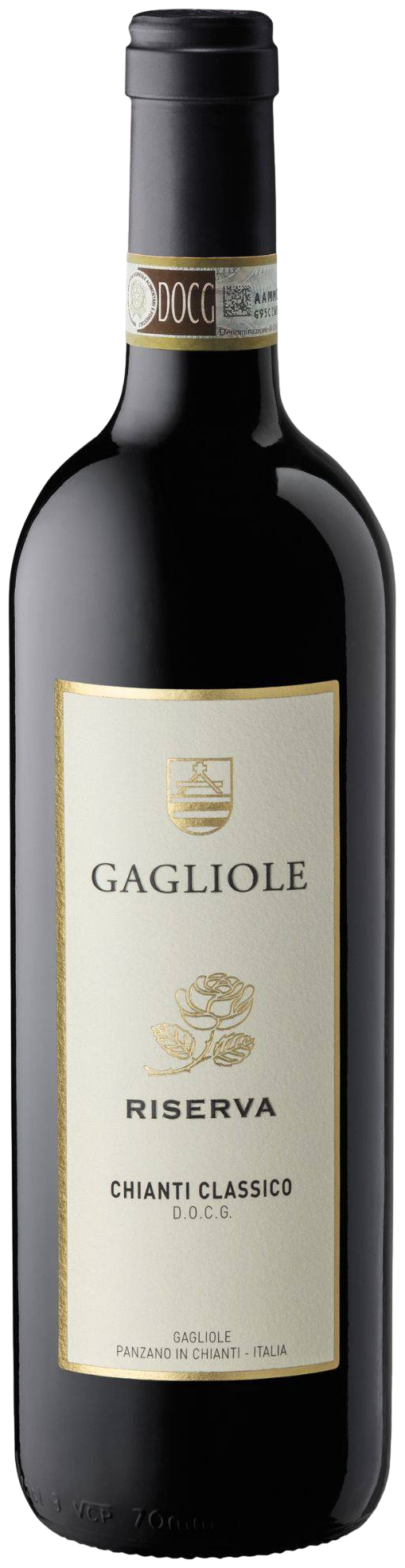
Yet, Chianti Classico DOCG is the quintessence of Tuscan Sangiovese. Located in the heart of Tuscany between Florence and Siena, the Chianti Classico vineyard benefits from an exceptional terroir: hills between 250 and 600 meters altitude, clay-limestone soils and an ideal microclimate. Sangiovese must represent at least 80% of the blend, which guarantees the expression of the local terroir. To find your way, aim for the mentions Gran Selezione (the top of the range) or Riserva.
Brunello di Montalcino DOCG
Brunello di Montalcino is probably the most prestigious Tuscan wine along with the Super Tuscans. Produced exclusively from Sangiovese (called Brunello locally), it must age for at least 5 years including 2 in oak barrels before being marketed. The result is a powerful, complex wine, with aromas of black cherry, leather, tobacco and spices, and an impressive aging potential.
To taste the Montalcino style without waiting (or breaking the bank), Rosso di Montalcino DOC is an excellent entry point: same grape, same terroir, but a shorter aging that gives a more accessible wine ready to drink more quickly.
Vino Nobile di Montepulciano DOCG
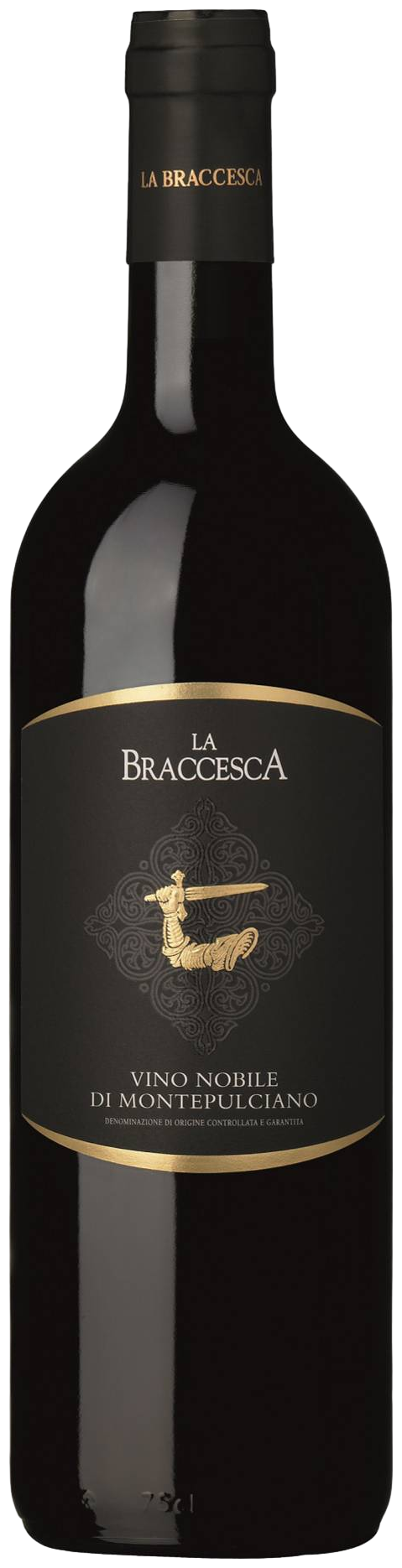
Be careful not to confuse it with Montepulciano d'Abruzzo, which is a grape variety. Here, Montepulciano is a town in Tuscany, and Vino Nobile is a Sangiovese wine (called Prugnolo Gentile locally) aged for at least 2 years. Less known than Brunello, Vino Nobile often offers a more interesting quality/price ratio, with elegant, fruity and spicy wines. Its little brother, Rosso di Montepulciano DOC, plays the same entry-level role as Rosso di Montalcino.
Bolgheri DOC
This is where it all started for the Super Tuscans. Located on the Tyrrhenian coast, the Bolgheri appellation is the birthplace of Sassicaia and Ornellaia. The maritime terroir, with its pebbly soils and oceanic influence, is particularly suitable for Bordeaux grape varieties like Cabernet Sauvignon, Merlot and Cabernet Franc. Prices can be stratospheric for the big names, but you can also find very nice gems at more accessible prices.
Vernaccia di San Gimignano DOCG
Tuscany is not just red. Vernaccia di San Gimignano is the oldest white DOCG in Italy (since 1993). Produced at the foot of the medieval towers of San Gimignano, this Vernaccia gives a dry, fresh white wine, with notes of almond and citrus. It's the ideal companion for antipasti, grilled fish or simply as an aperitif.
Maremma Toscana DOC and Morellino di Scansano DOCG
The Maremma, in southwestern Tuscany, is the region on the rise. Long considered wild and marshy, it has transformed into a quality vineyard thanks to a warm climate and varied soils. Morellino di Scansano (from the local name of Sangiovese) produces gourmet, fruity and accessible reds, perfect for everyday cooking.

Producers to discover
Tuscany is full of talented winemakers. Here are those we have selected for their know-how and the consistent quality of their wines.
Marchesi Antinori
Impossible to talk about Tuscany without mentioning the Antinori family, present in wine for more than 600 years. Their most famous wine is undoubtedly Tignanello, which you'll find around CHF 150 per bottle. But you can also for about forty francs taste the Marchese Antinori, a Chianti Classico DOCG which constitutes the entry-level of the estate. Like their Bordeaux counterparts, Super Tuscan producers often have two to three wines in their range, which allows you to move up and appreciate their know-how without (too much) breaking the bank.
Tenuta La Braccesca
Property of the Antinori family located in Montepulciano, Tenuta la Braccesca produces wines that we really like. The Achelo, a Syrah on the Cortona DOC appellation, is well concentrated, on red fruits with a nice acidity that makes it an ultra easy bottle to drink. Its big sister Santa Pia is a Sangiovese on the Vino Nobile di Montepulciano Riserva appellation, with an intense ruby robe, with a beautiful blend of red fruits and plum jam, then touches of tobacco and spices. A real favorite.

Società Agricola Gagliole
We've talked about it so much with the sommeliers of our partner Vogel Vins that it turned into advertising. The Chianti Classico DOCG "Rubiolo" from Gagliole is a wine of great purity and with a totally crazy quality/price ratio. It's clear, blind tasted, it's hard to distinguish from its prestigious Tuscan comrades. Yet, it's a modest Chianti Classico, a real gem at less than twenty francs that will be your perfect companion to accompany a good lasagna from the oven or a beef Fiorentina. Vintage after vintage, Gagliole continues to amaze us with this smooth, fruity and gourmet Rubiolo.

Podernuovo a Palazzone
The Bulgari family is of course famous for its jewelry pieces and is a reference in the world of luxury. But Giovanni chose another path, while maintaining family standards, and created the Podernuovo a Palazzone estate, right next to Montepulciano. The Cabernet Franc Argirio, which takes its name from the nature of its clay soil, is fine and elegant, with an intense red robe and violet reflections. The nose is intense on plum jam and cherry, with notes of pepper and cocoa. On the palate, the tannins are elegant, the wine is powerful, rich and finishes on balsamic and mineral touches.

Fossacolle
Nestled in the heart of Montalcino, the Fossacolle estate is a family jewel run by Sergio Marchetti. Far from the giants of the appellation, this small estate produces Brunello di Montalcino of remarkable finesse, faithful to the pure expression of Sangiovese and the Montalcino terroir. Their Rosso di Montalcino is one of our favorite gems: at a little more than twenty francs, you get an elegant wine, with notes of cherry, violet and beautiful minerality. And if you want to move up, their Brunello is a model of patience and complexity.

Our favorites from Tuscany
Whether you're looking for a gem at a sweet price or a great wine for a special occasion, here are our recommendations among Tuscan wines.
Everyday reds
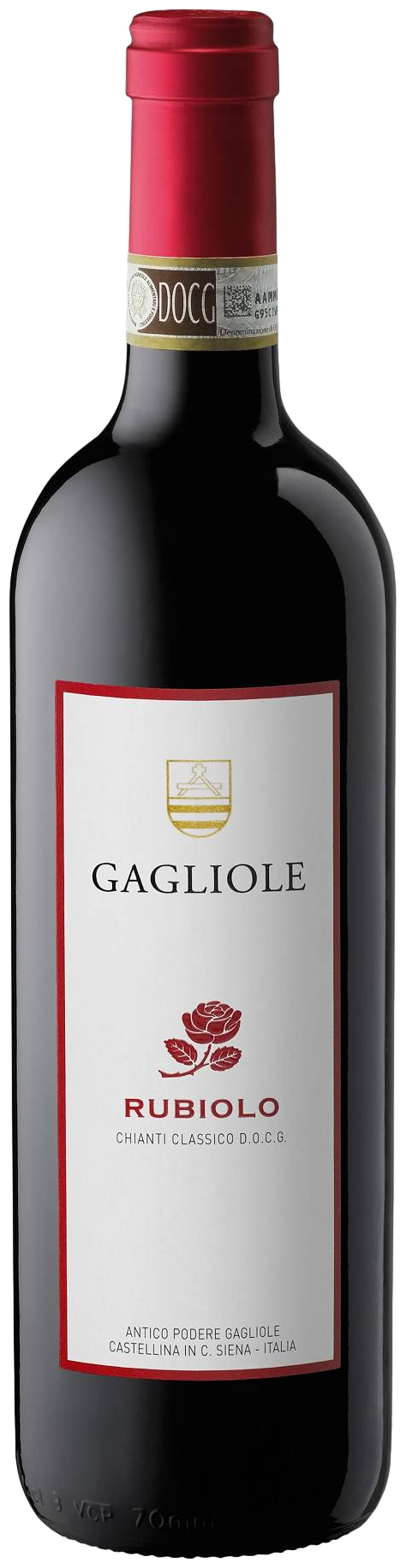
Rubiolo is our absolute gem. At less than twenty francs, this Chianti Classico DOCG from Gagliole is a wine of great purity, smooth, fruity and gourmet. It's clear, blind tasted, it's hard to distinguish from its prestigious Tuscan comrades. Your perfect companion for a lasagna from the oven or a beef Fiorentina.
Bio
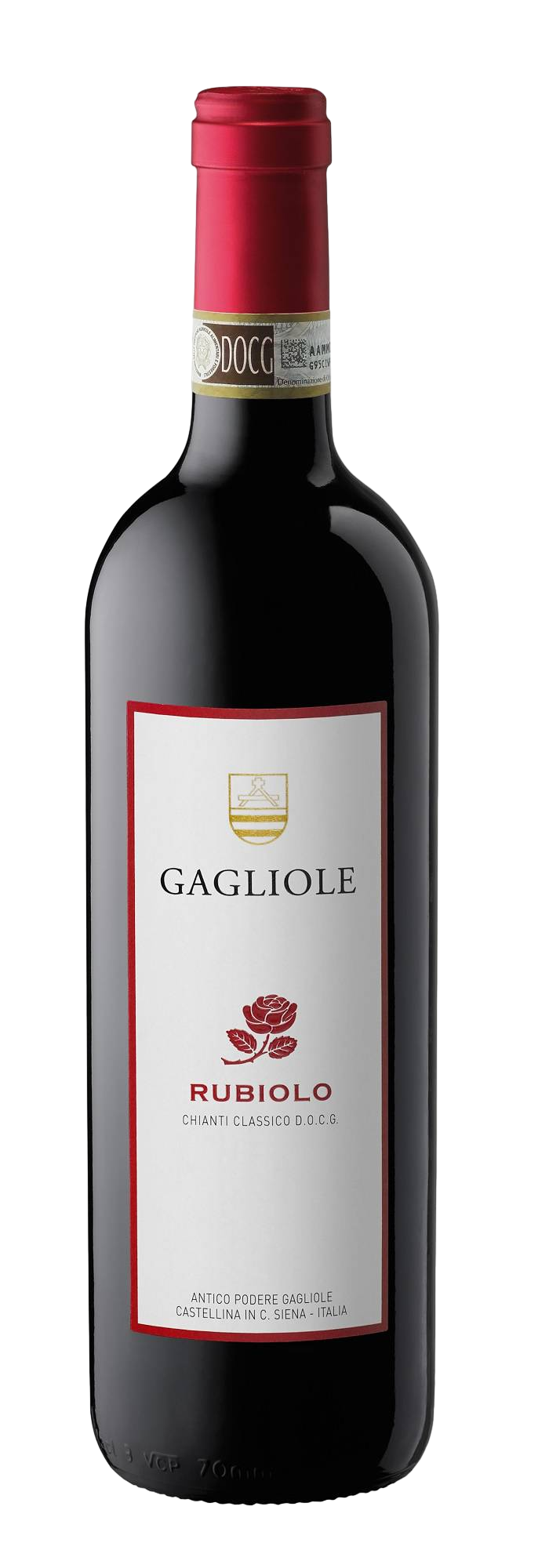
Italy • Tuscany • Chianti Classico DOCG
The Sabazio from Tenuta La Braccesca is probably one of the best quality/price ratios in all of Tuscany. A supple and fruity Rosso di Montepulciano DOC, perfect for weeknights when you want something good without overthinking it.
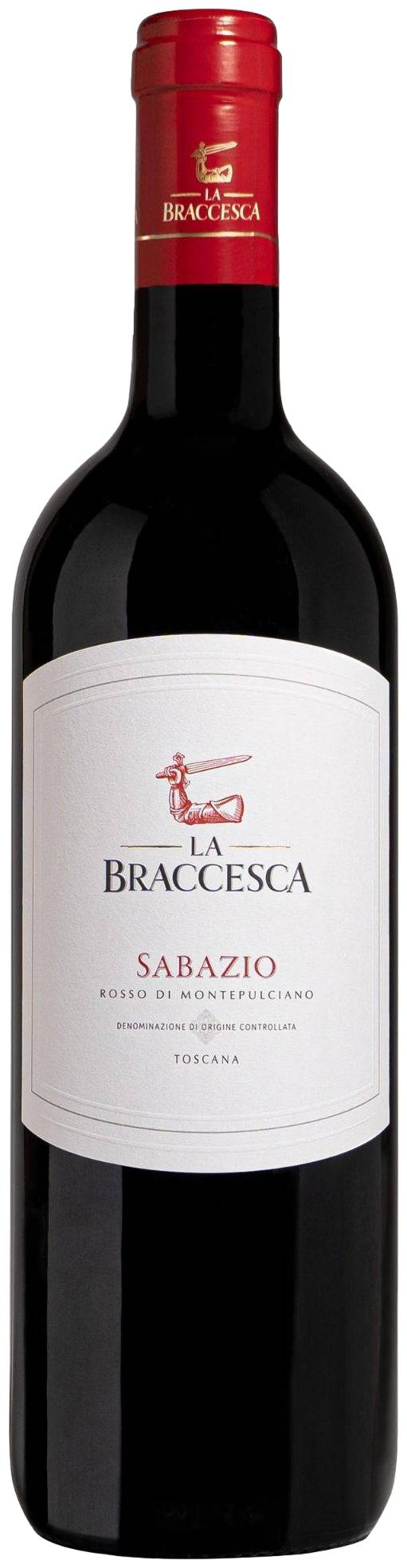
Italy • Tuscany • Rosso di Montepulciano DOC
The Rosso di Montalcino from Fossacolle is a magnificent entry point to the Montalcino terroir. At a little more than twenty francs, you get an elegant wine, with notes of cherry, violet and beautiful minerality. It's the little brother of Brunello, but it doesn't have to blush at the comparison.
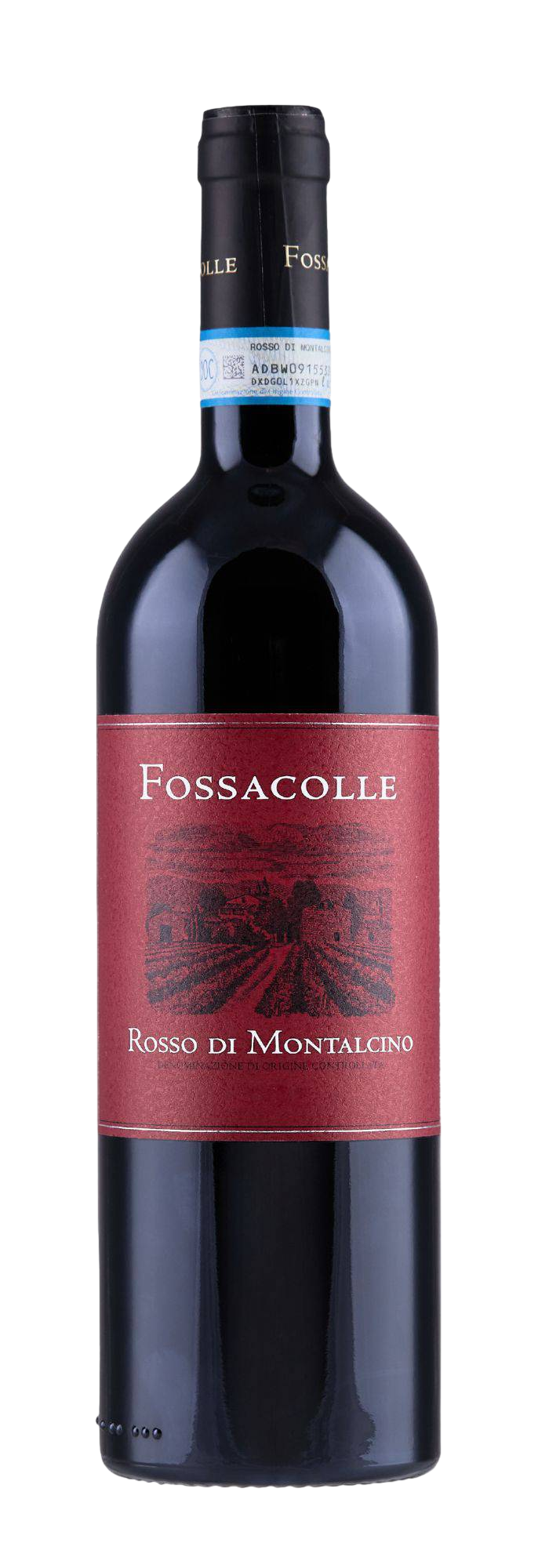
Italy • Tuscany • Rosso di Montalcino DOC
Gastronomic reds
The Santa Pia from Tenuta La Braccesca is a Vino Nobile di Montepulciano Riserva that impresses us with each tasting. Intense ruby robe, blend of red fruits and plum jam, touches of tobacco and spices: it's a wine made for braised dishes and grilled meats.
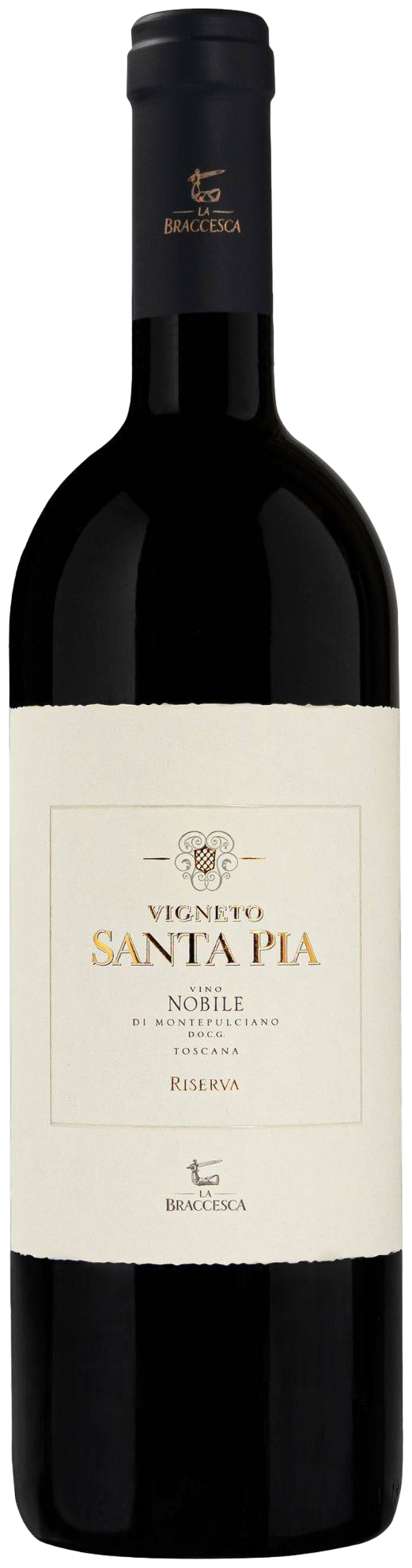
Italy • Tuscany • Vino Nobile di Montepulciano DOCG
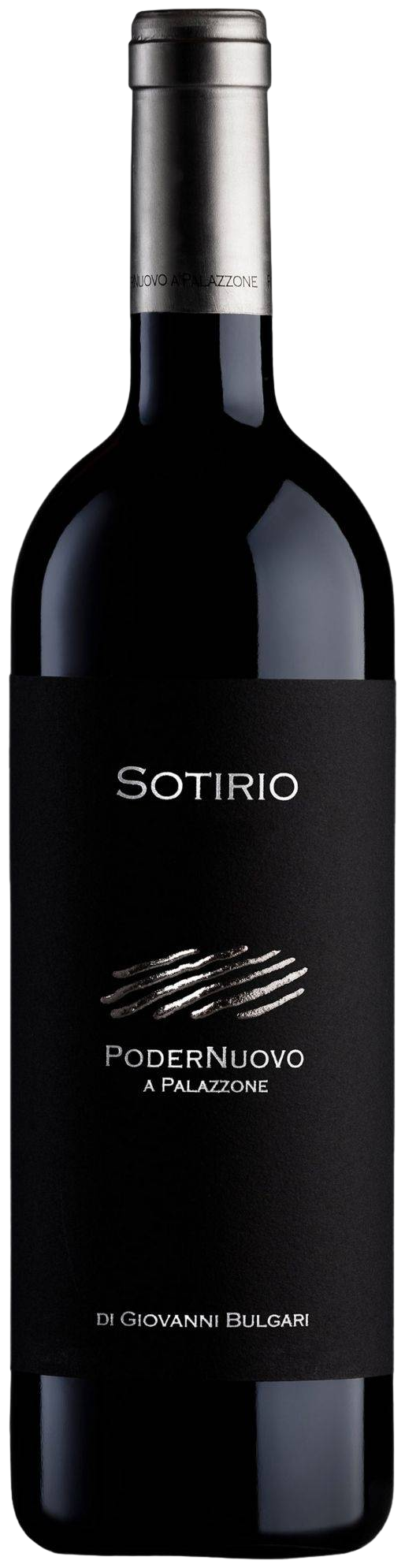
The Argirio from Podernuovo a Palazzone is a fine and elegant Cabernet Franc, with an intense red robe and violet reflections. The nose is intense on plum jam and cherry, with notes of pepper and cocoa. On the palate, the tannins are silky, the wine is powerful and finishes on balsamic and mineral touches. A Super Tuscan in spirit, at a fraction of the price.
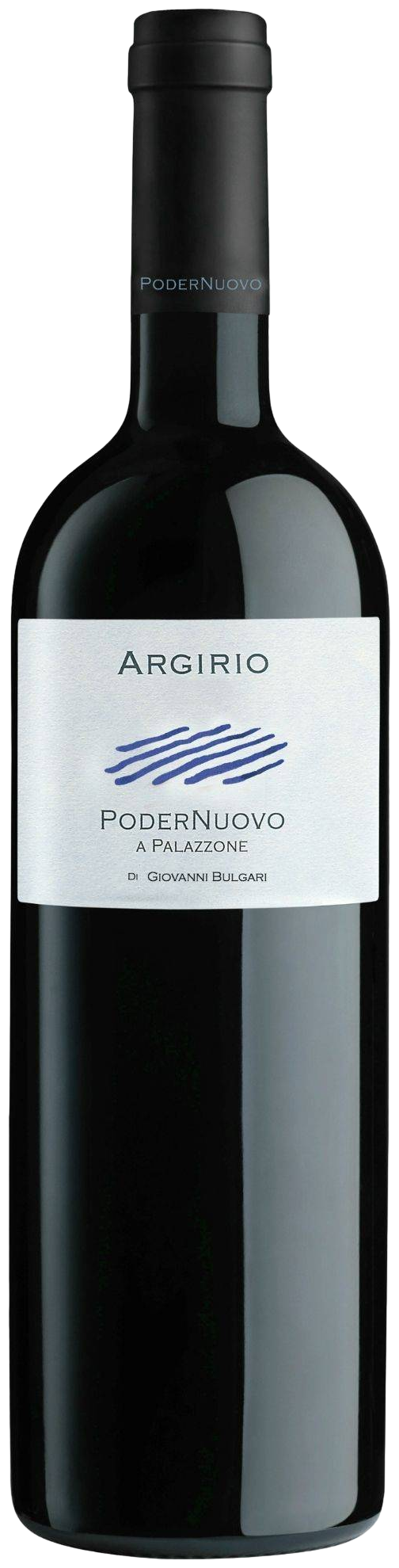
Italy • Tuscany • Toscana IGT
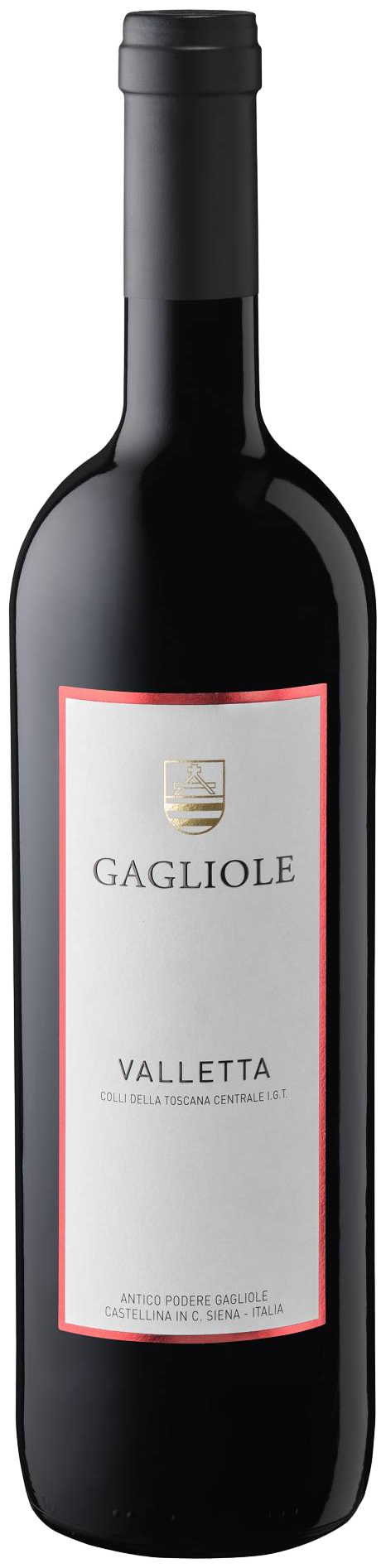
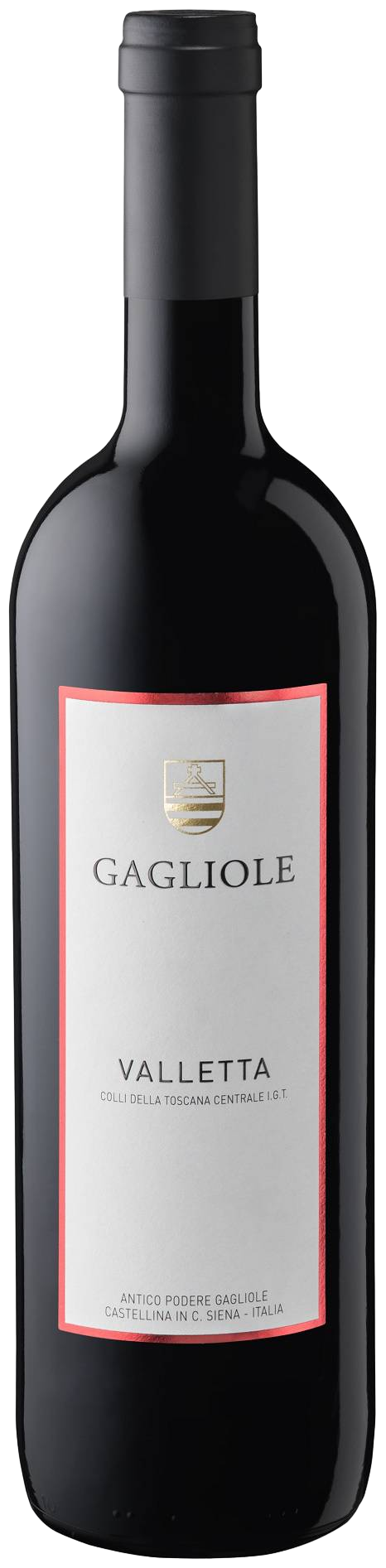
The Valletta from Gagliole is a blend of Merlot and Sangiovese on the Colli della Toscana Centrale IGT appellation. Supple and gourmet, it's an accessible alternative for those who want to discover the Gagliole style beyond Chianti Classico.
Bio
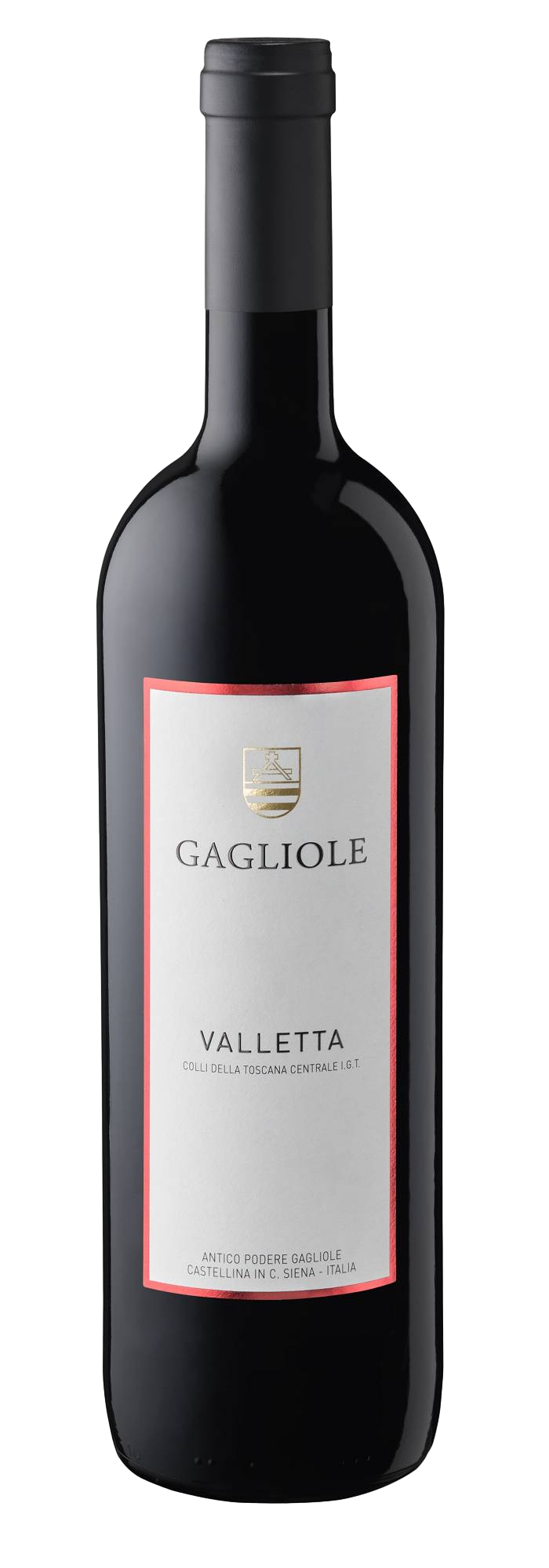
Italy • Tuscany • Colli della Toscana Centrale IGT
Great wines for special occasions
The Brunello di Montalcino from Fossacolle is a model of patience and complexity. Aged for at least 5 years before being released, it's a wine that reveals itself slowly, with aromas of black cherry, leather, undergrowth and sweet spices. To open for a birthday or to forget in the cellar for ten years.
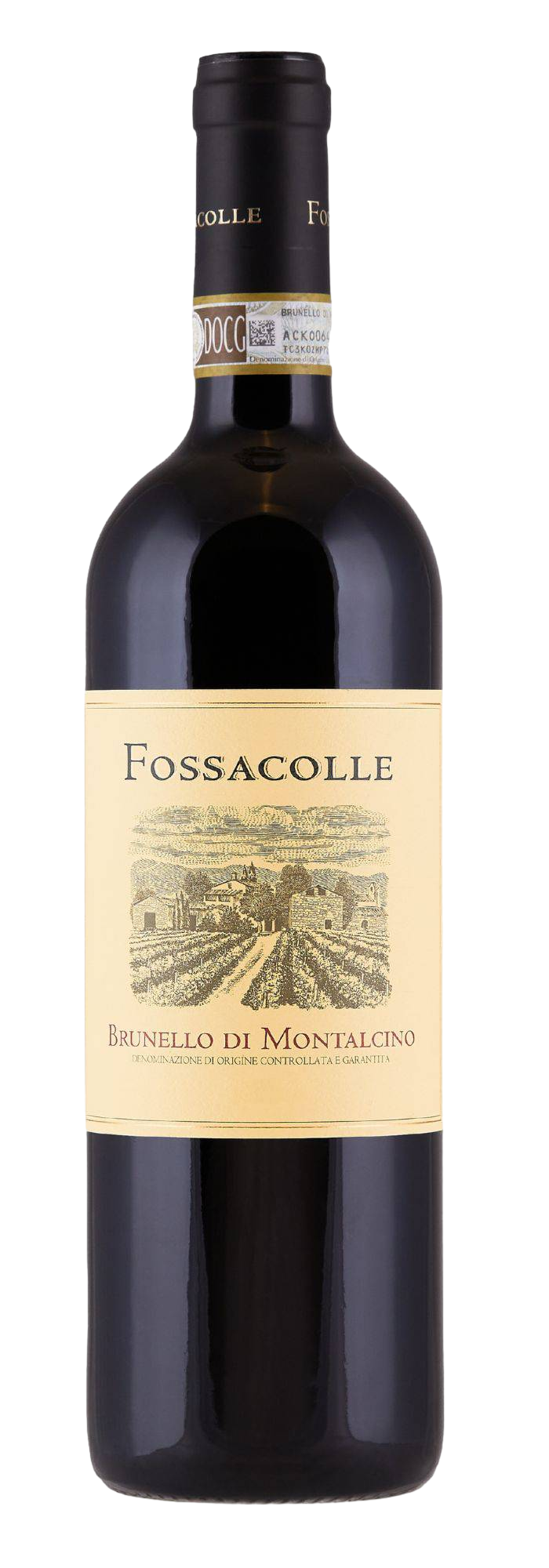
Italy • Tuscany • Brunello di Montalcino DOCG
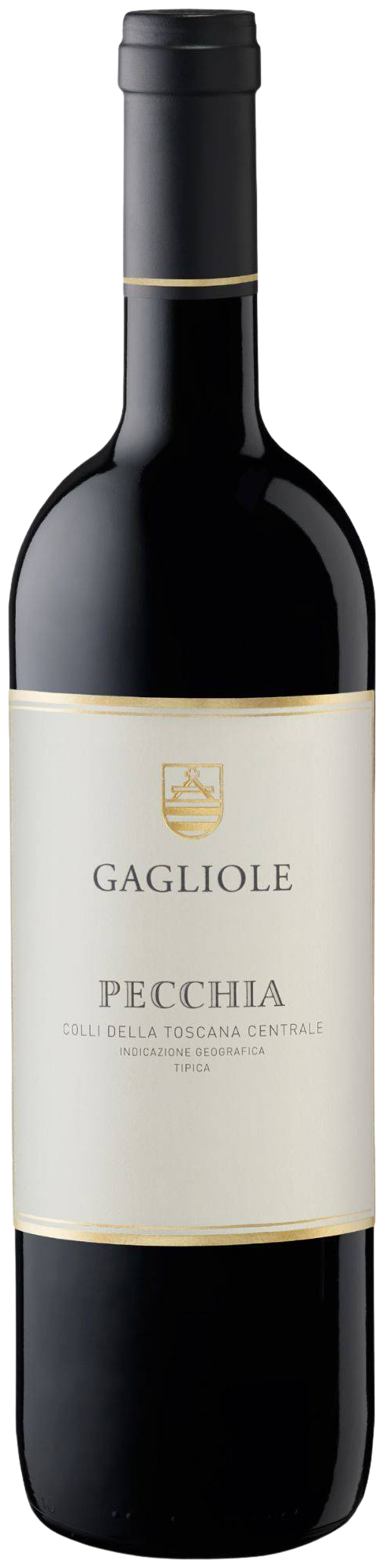
The Pecchia from Gagliole is a 100% Sangiovese of prestige. From the best parcels of the estate, it's a meditation wine, dense and deep, with an impressive length on the palate. The kind of bottle you open when you want to understand why Sangiovese is king in Tuscany.
Italy • Tuscany • Colli della Toscana Centrale IGT
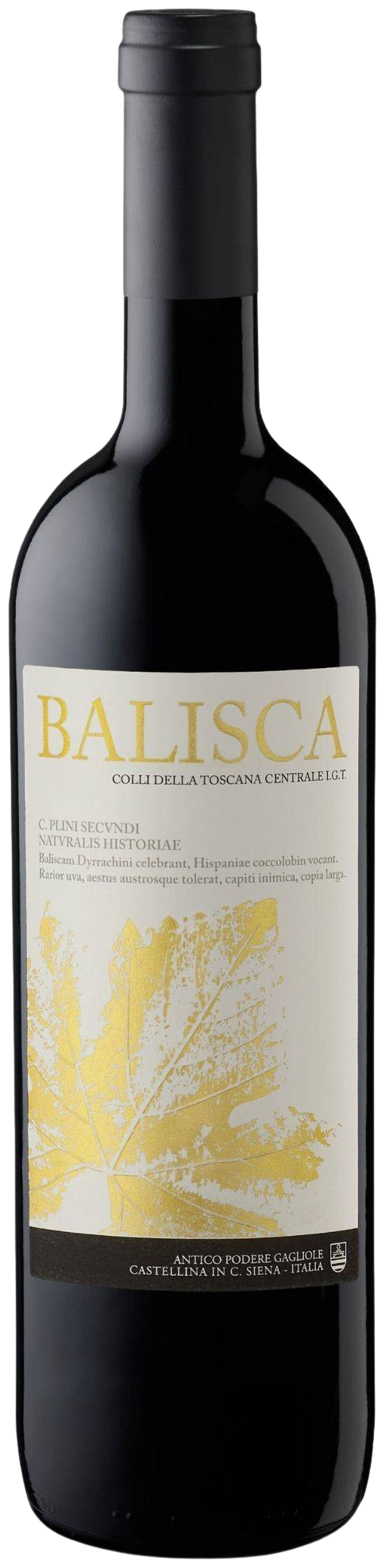
The Balisca is the other prestige cuvée from Gagliole, this time in 100% Cabernet Sauvignon. A Super Tuscan at heart, powerful and structured, with aromas of blackcurrant, cedar and blond tobacco. It dialogues wonderfully with the great references of Bolgheri.
Italy • Tuscany • Colli della Toscana Centrale IGT
Whites
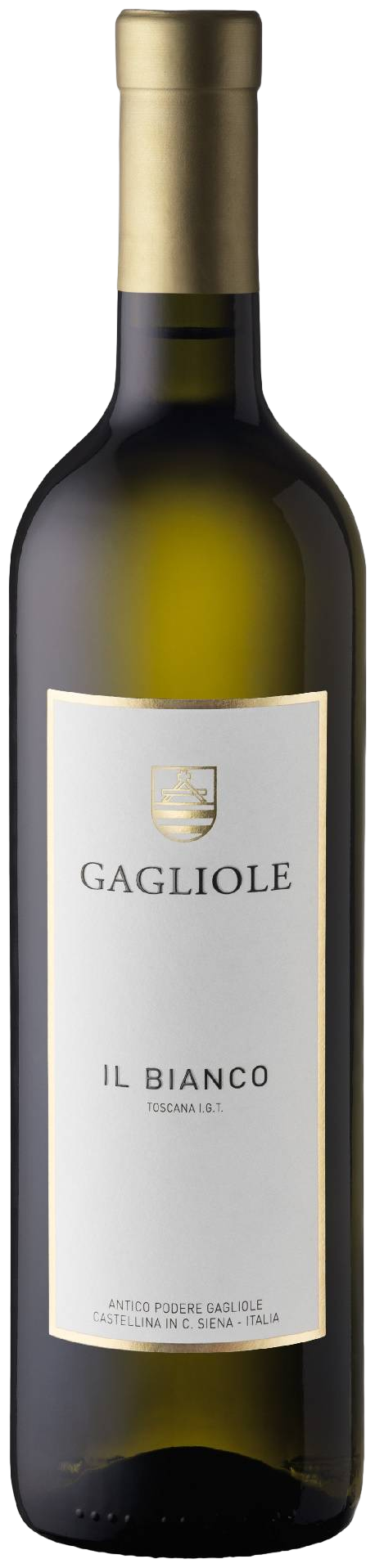
Il Bianco from Gagliole is a blend of Chardonnay and Malvasia on the Toscana IGT appellation. Fresh and elegant, with notes of citrus and white flowers, it's proof that Gagliole masters whites as well as reds. Perfect as an aperitif or with a seafood risotto.
Italy • Tuscany • Toscana IGT
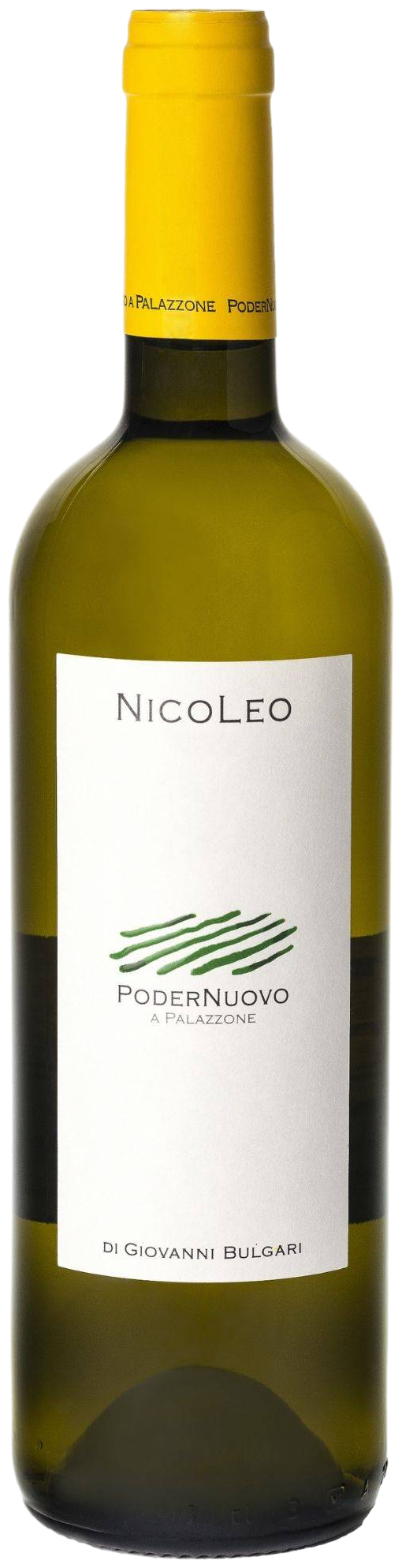
The Nicoleo from Podernuovo a Palazzone, based on Chardonnay and Grechetto, is a surprising gastronomic white for the region. Round and generous, with beautiful acidity that gives it freshness, it's the ideal companion for grilled fish or octopus salad.
Italy • Tuscany • Toscana IGT

Food and wine pairings with Tuscan wines
Tuscan cuisine is one of the most delicious in Italy, simple and generous. Here's how to pair the region's wines with its emblematic dishes.
Bistecca alla fiorentina
The iconic dish of Florence: a thick beef rib, grilled over embers, served rare with a drizzle of olive oil. It's the ideal playground for a Chianti Classico Riserva or a Brunello di Montalcino. Sangiovese, with its firm tannins and natural acidity, perfectly cuts through the fat of the meat.
Pappardelle al cinghiale and Tuscan ragùs
Wide pappardelle topped with a wild boar ragù simmered for hours, that's Tuscany on a plate. A Vino Nobile di Montepulciano or a Morellino di Scansano, with their notes of red fruits and spices, sublimate this rustic dish. For a more classic ragù, a Chianti Classico will do perfectly.
Ribollita and Tuscan soups
Ribollita, this soup of bread, black cabbage and white beans reheated the next day, is the soul of Tuscan peasant cuisine. A Rosso di Montalcino or a young and fruity Chianti will perfectly accompany this comforting dish. Same logic for pappa al pomodoro, the tomato and stale bread soup.
Pecorino toscano and charcuterie
Pecorino from Pienza, whether fresco or stagionato, is a must of Tuscan antipasti, often accompanied by honey and walnuts. With a young pecorino, opt for a white like a Vernaccia di San Gimignano. With an aged pecorino, move to a Chianti Classico or a Rosso di Montepulciano. For finocchiona (fennel salami) and lardo di Colonnata, a fruity and not too tannic red will work wonders.

Tuscany: Discover our wines
Colli della Toscana Centrale IGT
Colli della Toscana Centrale IGT
Toscana IGT
Toscana IGT
Chianti DOCG
Chianti DOCG
Vino Nobile di Montepulciano DOCG
Rosso di Montepulciano DOC