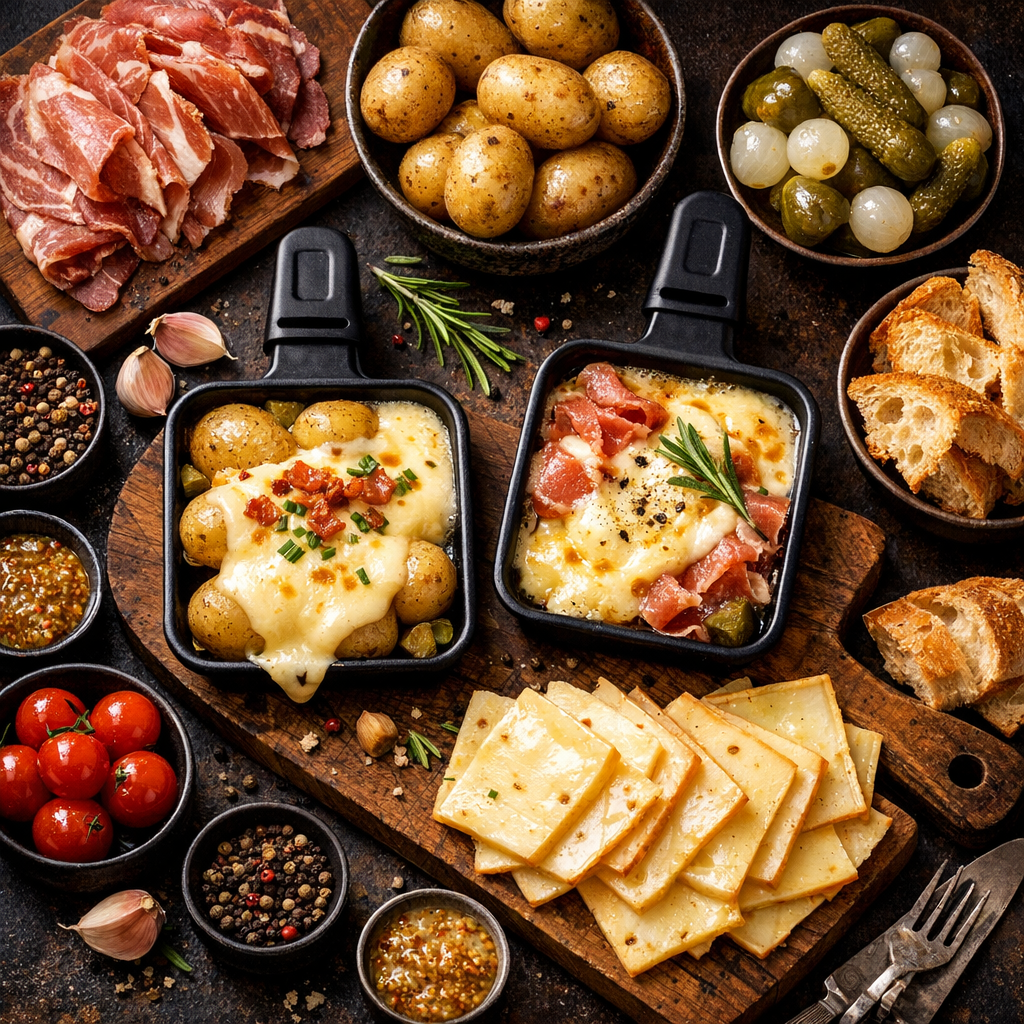
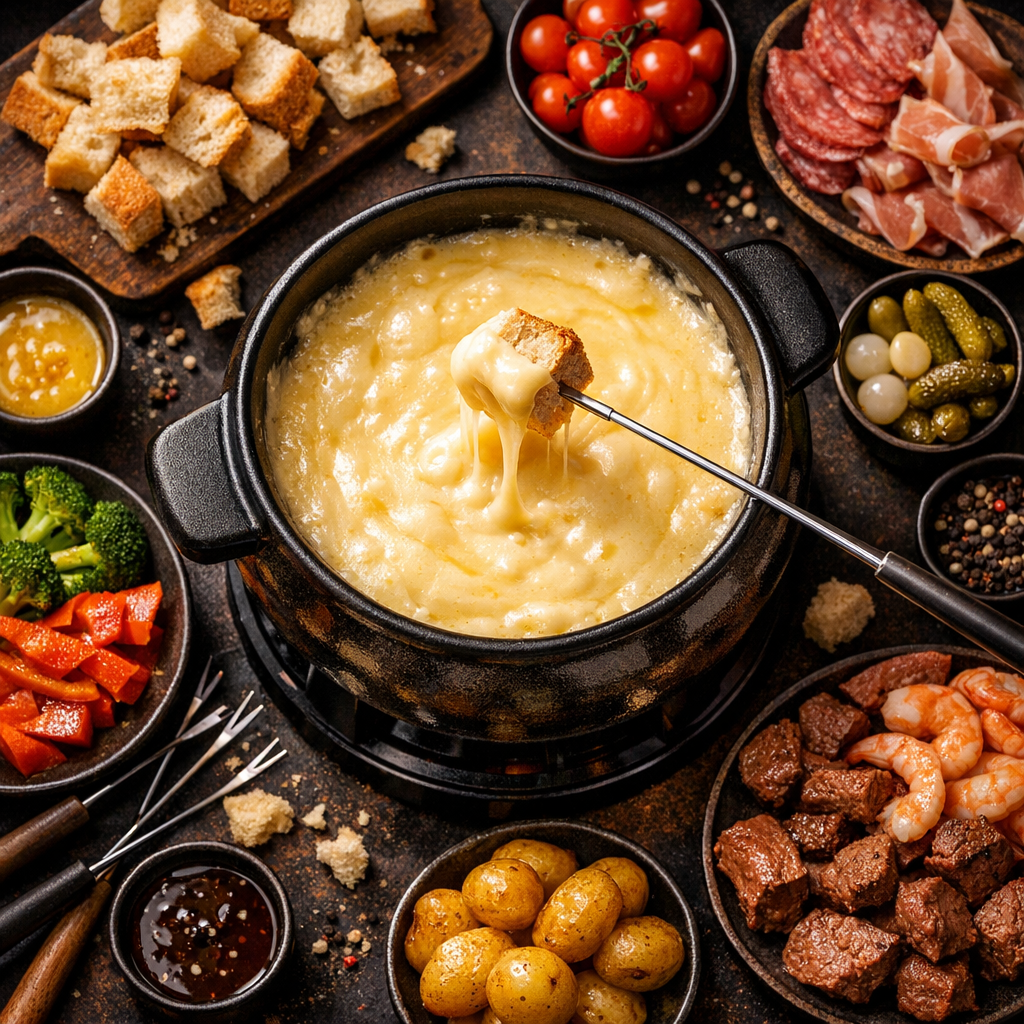
Raclette is fat and salt working together, and not shy about it. The cheese melts into a coating that sticks to the palate, the potatoes soak it up, and the little pickles and pearl onions on the side throw in a shot of vinegar. Whatever you pour needs to cut through that grease so the next bite tastes as good as the first.
That means acidity matters more than body here. A wine that's too soft or too oaky just sits on top of the cheese and makes the whole plate feel heavier. What you want is something bright, sometimes a little saline itself, that resets your mouth between forkfuls.
Valais built raclette, so it makes sense their own vineyards, planted on the same slopes where the cows graze, hold the answer. But there's more than one way to answer it, and a few of the options here take the pairing somewhere unexpected.
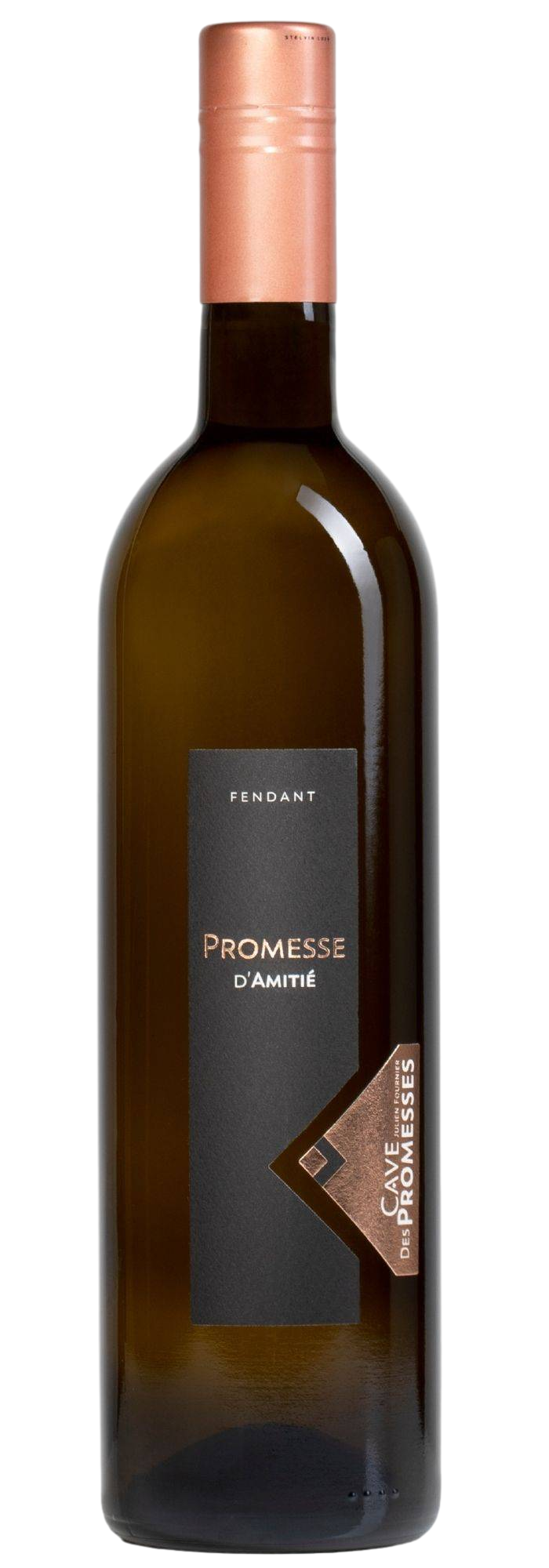
The perfect matchThe bottle raclette was basically invented for
Fendant is Chasselas grown in Valais, and Valais is where raclette actually comes from, so this isn't a pairing you have to think hard about. What matters in the glass is the acidity: bright, clean, with a faint saline edge that echoes the cheese itself rather than fighting it. Every time the melted cheese coats your palate, a sip resets it.
The pear fruit stays quiet, which is exactly the point. This isn't a wine asking for attention, it's a wine doing a job, and it does it so naturally that after a few glasses you stop noticing the pairing is working at all. That's the sign of a match that was never really in question.
Also greatFor the table that insists on red
Someone always wants red with raclette, and this Humagne Rouge is the answer that doesn't fight the cheese. Where a bigger red would clash with all that fat, this one stays soft in tannin and leans savory, cassis and a faint cork-like earthiness instead of ripe fruit stacked on top of ripe fruit.
It won't cut through the richness the way the Fendant does, that's not what it's built for. Instead it sits alongside it, matching the cheese's weight rather than slicing it away. Pour it for the guest who just doesn't do white, and nobody at the table has to negotiate.
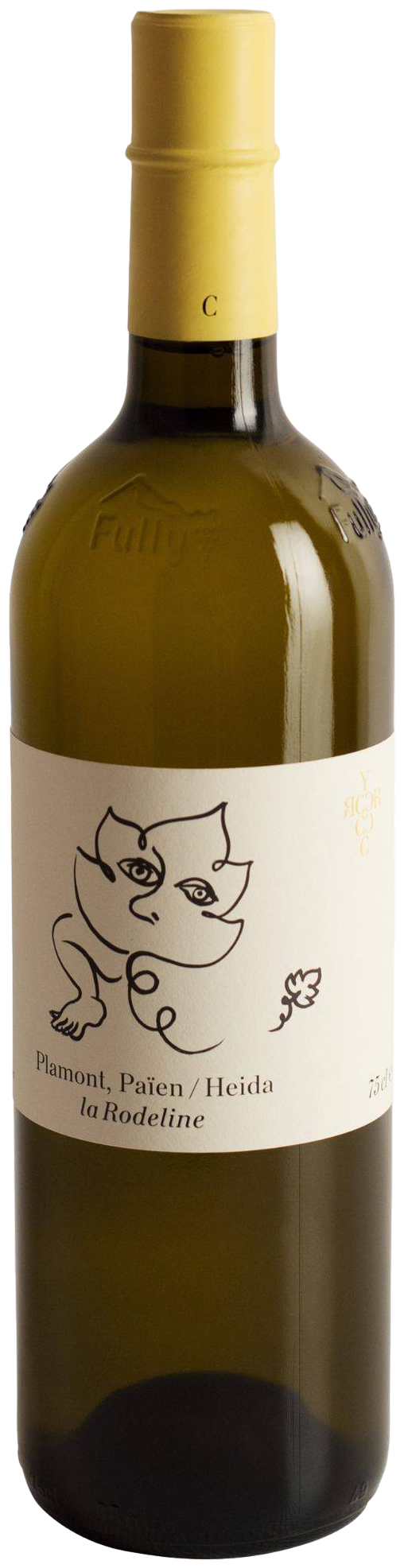
Also greatSame job, more perfume
If the Fendant is the quiet, reliable choice, Heida is its more talkative cousin. Made from Païen, the same grape under a different name, grown higher up in Valais, it keeps the acidity that raclette needs but adds citrus, white flowers and a touch of spice that lingers a beat longer on the finish. You still get the cut through the fat, just with more to say about it. Good for a night when you want the pairing to work and also give people something to talk about between bites.
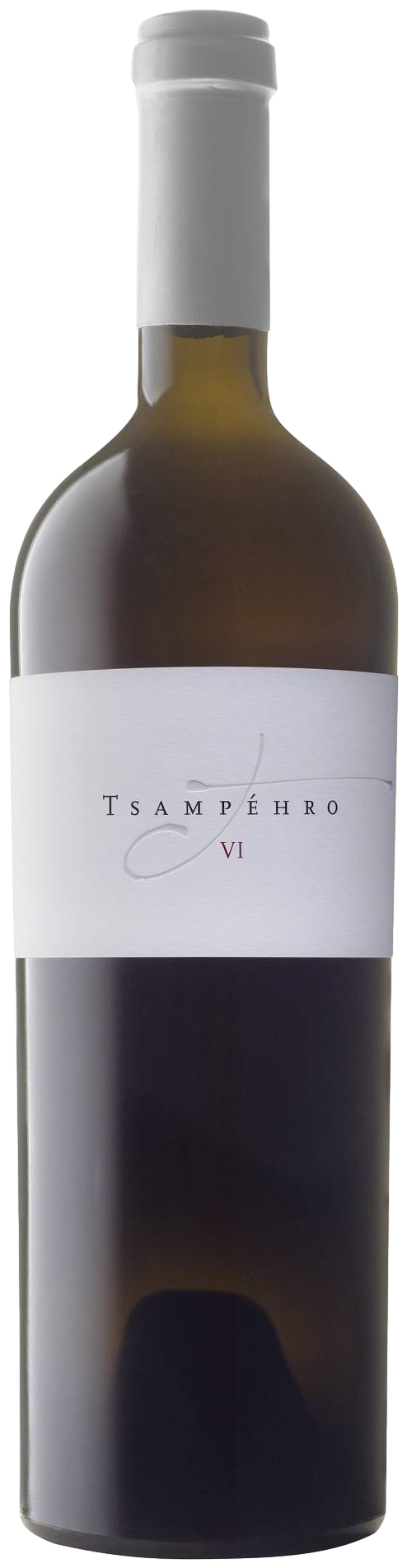
Treat yourselfWhen raclette night deserves a better bottle
This one is for the raclette dinner that's really an occasion, a birthday, a first snowfall, friends who don't come around often. Clos de Tsampéhro's blend of Completer, Rèze and Savagnin comes from vines planted higher than almost anything else in the canton, and it shows: the minerality is denser, the spice more exotic, closer to dried apricot and something like beeswax than the citrus notes you'd find in a simple Fendant.
What it doesn't lose is the acidity. That's the part that matters most here, because no matter how special the bottle, it still has cheese and potatoes to deal with. This just does it with more depth, more length, and a finish that makes you pour a second glass slower than the first.
We hope our selection above helped you land on the right bottle for raclette. This is a meal for a crowded table, friends who stay long after the cheese pot is empty, maybe a first snowfall outside the window. That's reason enough to open something good. Once you've picked yours, share it on social media and tag us, we love seeing what ends up on your table.
Frequently asked questions
Should raclette always be paired with white wine?
White is the traditional and easiest match because its acidity slices through the melted cheese without adding more weight. That said, a light, savory red like Humagne Rouge can work too, as long as it isn't too tannic or oaky. Big, jammy reds tend to fight with the fat instead of cutting it.
Does champagne or sparkling wine work with raclette?
It can, though it isn't the classic route. The bubbles and acidity do a good job scrubbing the palate clean, similar to what a crisp Fendant does. If you're set on sparkling, look for something dry and mineral rather than a sweet style, which would clash with the salt.
What about the pickles and cured meats served alongside raclette?
Cornichons and pearl onions bring vinegar to the plate, and cured meats add more salt and fat on top of the cheese. This is exactly why a wine with real acidity, like Fendant or Heida, earns its keep at a raclette table: it handles the cheese, the vinegar and the charcuterie all at once instead of picking a fight with one of them.
A guest wants red but everyone else is drinking white, what do I do?
Pour the Humagne Rouge for them. It's soft enough in tannin and has a savory, earthy edge that doesn't clash with melted cheese the way a bigger red would. Nobody at the table needs to compromise.
Does the wine have to come from Valais to pair well with raclette?
It doesn't have to, but there's a reason it helps. Wines grown on the same slopes as the cows that produce the cheese tend to share a mineral, saline thread that mirrors what's happening on the plate. It's less a rule than a shortcut to a good match.
More pairings in Cheeses & fondues
You have the ideas.
We have the perfect wine.
Tired of overthinking your wine choice? Just tell us in a few words why you need a bottle and we'll find the perfect wine in under a minute.