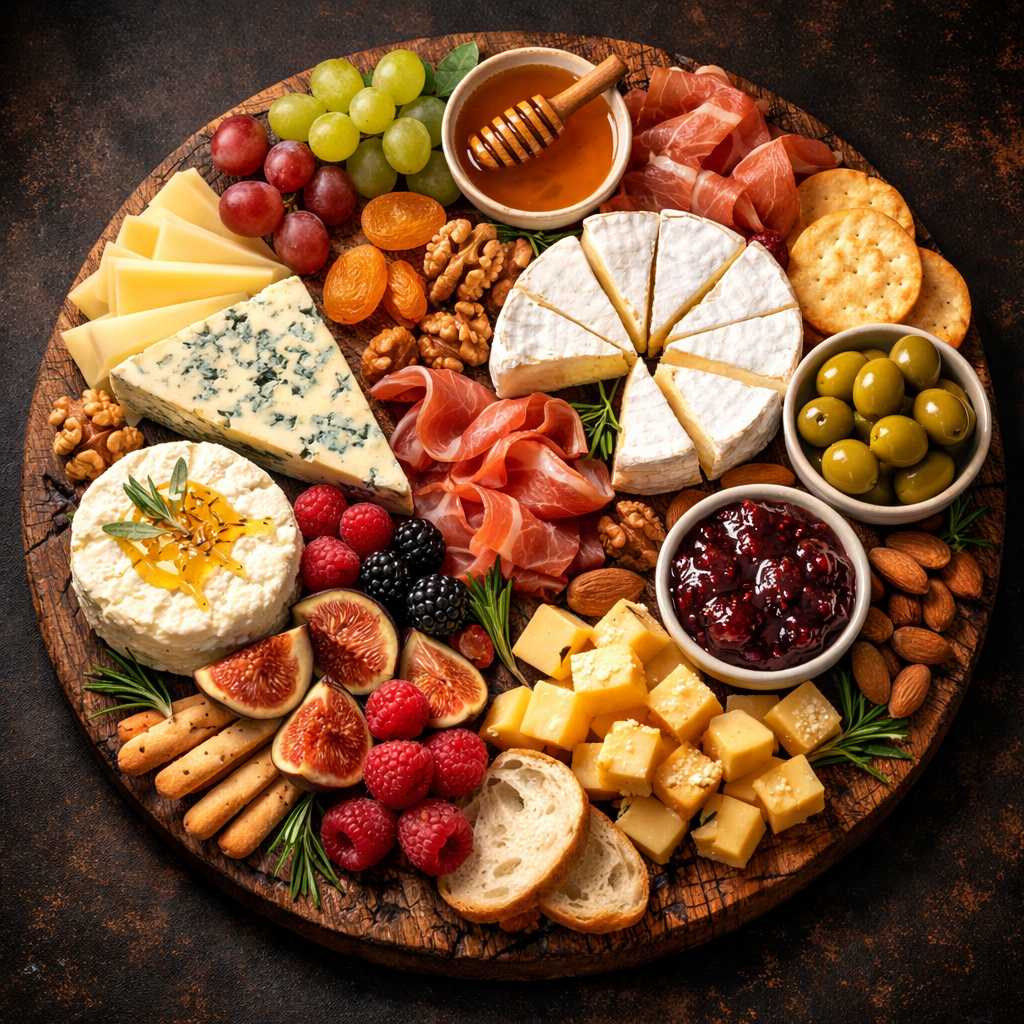
A cheese platter is not one dish, it's five or six arguing at once. Soft brie wants something that won't get lost, blue cheese wants something that can match its punch, and a nutty aged gruyère wants a wine with enough backbone to stand next to it. Fat coats the tongue, salt sharpens every edge, and the wine has to either cut through that richness or meet it head on.
There's no single bottle that flatters every cheese on the board equally, and that's fine. The trick is picking one wine that handles the whole platter without embarrassing itself anywhere, or choosing a few that each take on a different cheese. Acidity slices through cream, soft tannins hug a semi-hard rind, and richer, riper reds can go toe to toe with something blue and salty.
That's why a silky, red-fruited Pinot Noir tends to be the safest hand to shake first at the table, but it's far from the only right answer. Depending on what's actually on your board, an alpine hard cheese, a runny washed-rind, or something properly blue, a different bottle from the cellar might do the job even better.
The perfect matchThe wine that clears your palate between one cheese and the next
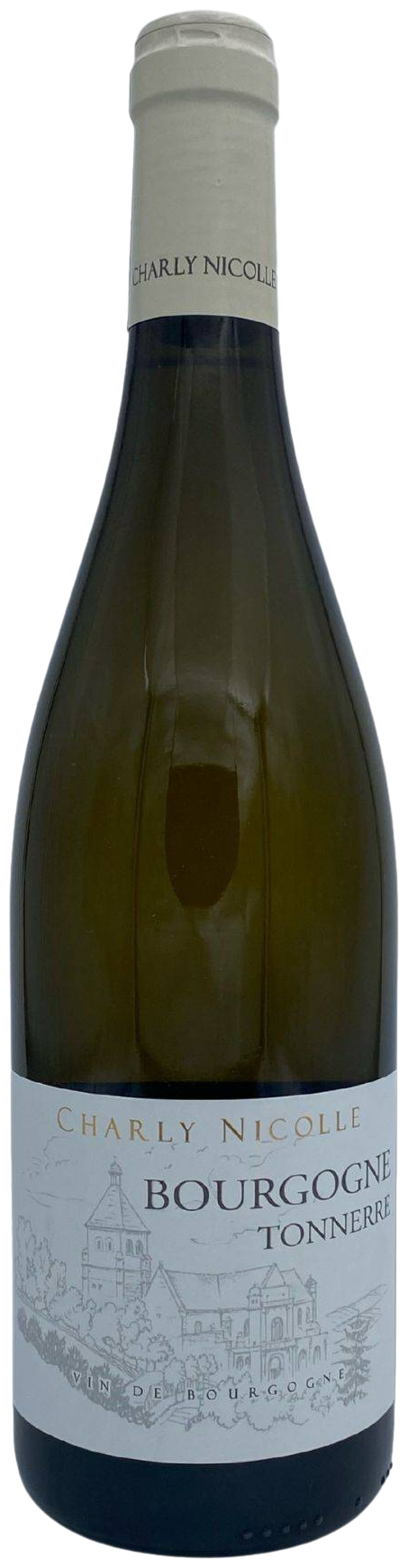
On a cheese board it's acidity that does the work, not tannin. This Chardonnay from Bourgogne Tonnerre brings nerve and an almost chalky minerality that cuts the fat of a soft cheese, settles the salt of a blue, and leaves your mouth clean for whatever comes next. Where a red risks turning hard against dairy fat, this one never picks that fight in the first place.
It's also the easiest call when the board is mixed. You don't need to know in advance whether it will lean creamy or aged, it keeps pace on both sides. Serve it cool rather than cold, around cellar temperature, so it holds its tension without shutting the fruit down.
Also greatIf you'd rather have red, take the softest one
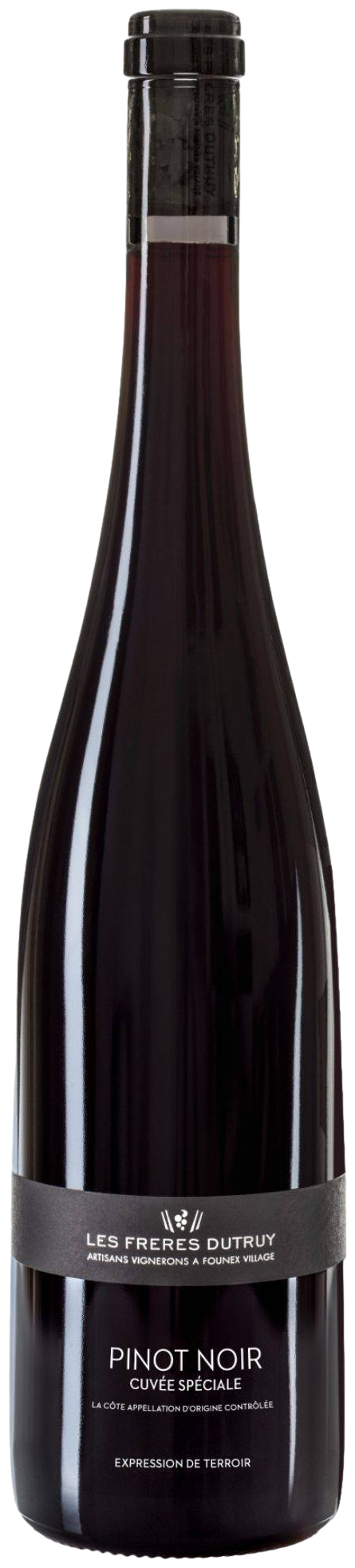
There are tables where red isn't negotiable, and on a cheese board this Pinot Noir from La Côte is the one to take, silky rather than gripping, with tannins fine enough not to collide with dairy fat. Its red fruit stays in the background and lets the cheeses talk.
Where the white cleans by contrast, this one keeps company. It follows a brie as easily as a tomme without asking the cheese to adapt, which makes it the safest red when the board is mixed and you don't know what is coming next.
Also greatFor the blue cheese that scares off lighter wines
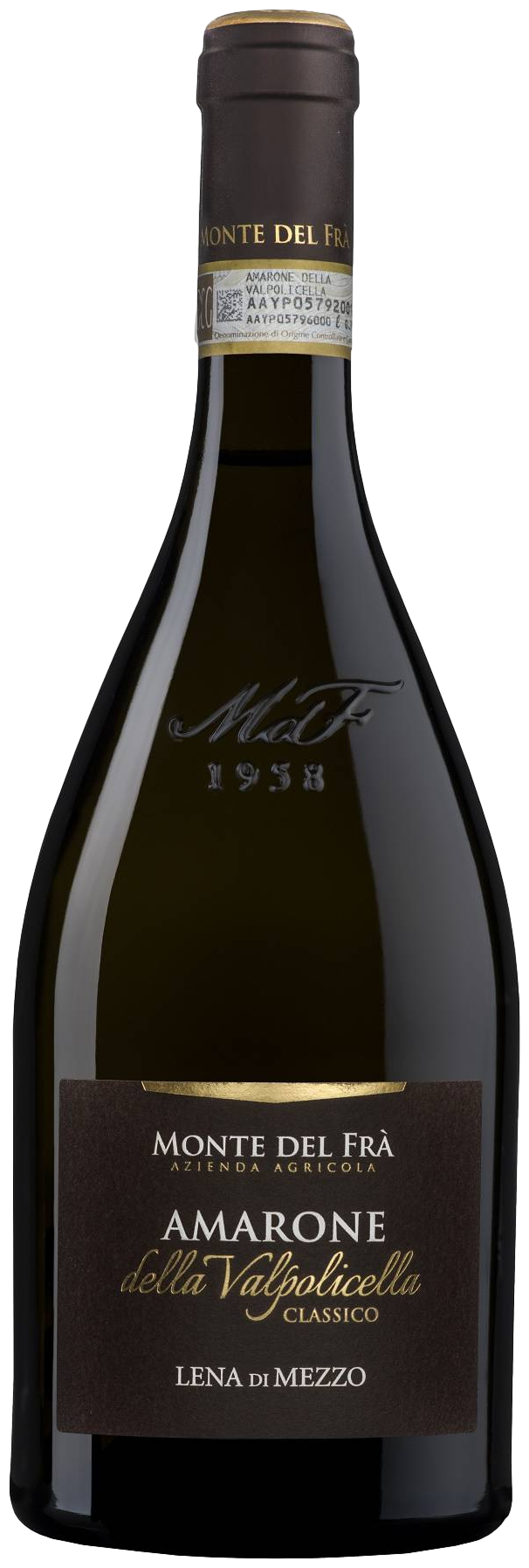
Amarone della Valpolicella Classico doesn't shy away from a strong cheese, it meets it. The dried-fruit concentration and higher alcohol that come from partially dried Corvina, Corvinone and Rondinella grapes give this wine the weight to stand next to a properly salty, pungent blue without disappearing.
It works just as well against an aged hard cheese with that crystalline, savoury bite. Instead of getting flattened by the cheese's intensity, the wine's richness rises to match it, and you end up with a pairing where neither side backs down.
Also greatA fuller red for the washed-rind cheeses that need some weight
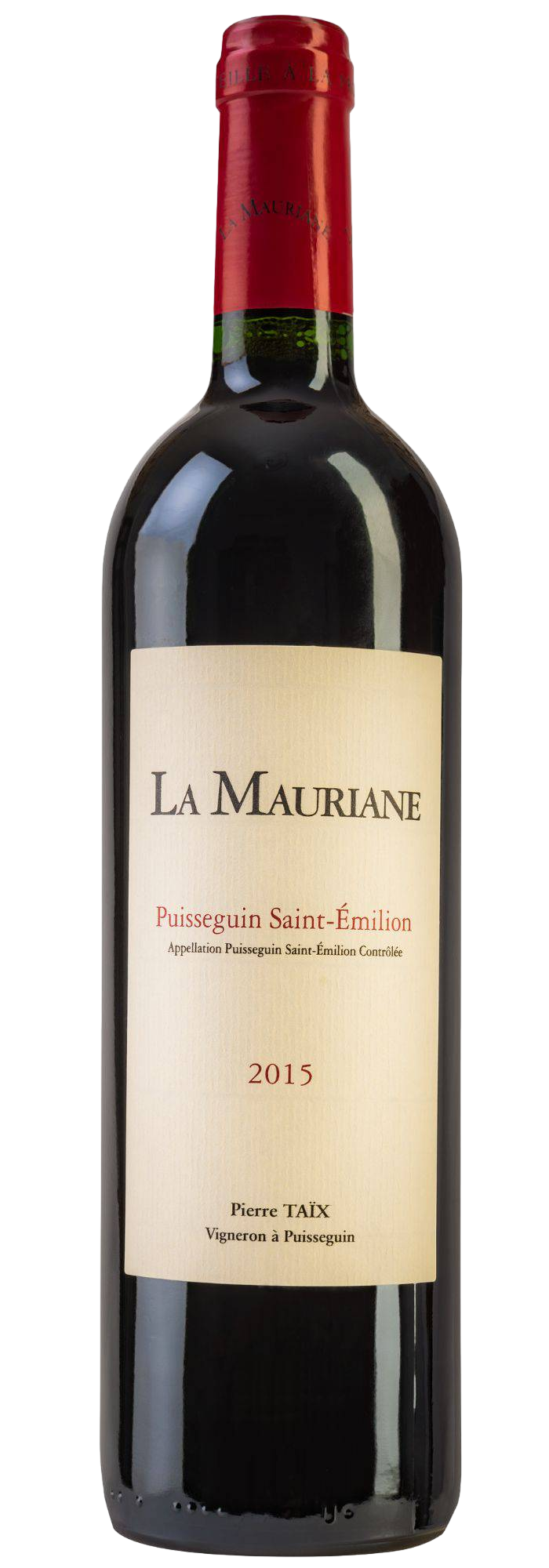
Château La Mauriane brings a plummy, softer style of Saint-Émilion to the table, built on Cabernet franc, Cabernet sauvignon and Merlot with gentle rather than gripping tannins. That matters with washed-rind and semi-hard cheeses, where a wine with aggressive grip can turn the dairy fat chalky and unpleasant.
This is the bottle for when you want a fuller-bodied red on the board without the risk. It has enough structure to stand up to a runnier, stronger-smelling cheese, but it stays gentle enough not to curdle against the cream underneath.
The Swiss wayThe local wine for the local cheese
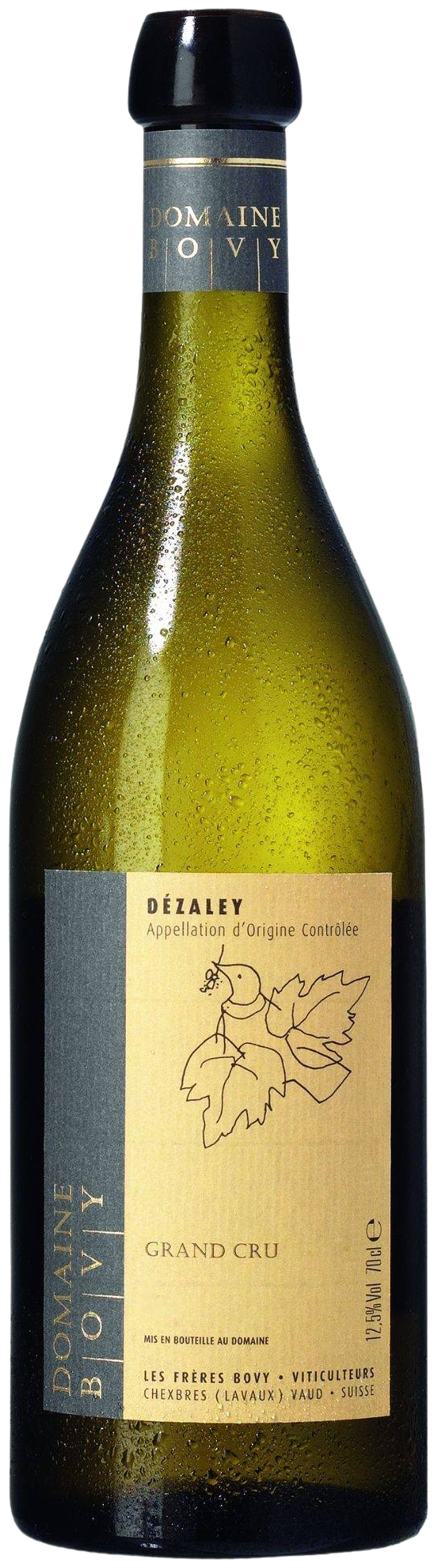
There's almost always a wedge of Gruyère on a Swiss board, and that's where this Dézaley Grand Cru earns its place. Chasselas from Lavaux brings a creamy texture and notes of acacia honey and almond that answer the fat and the salt crystals of a well-aged hard cheese, without putting any tannin in its way.
If it's the Gruyère you care about more than the rest of the board, we've given it a page of its own, with every wine we'd pour with Gruyère.
Treat yourselfThe bottle that turns cheese into the last course, not an afterthought
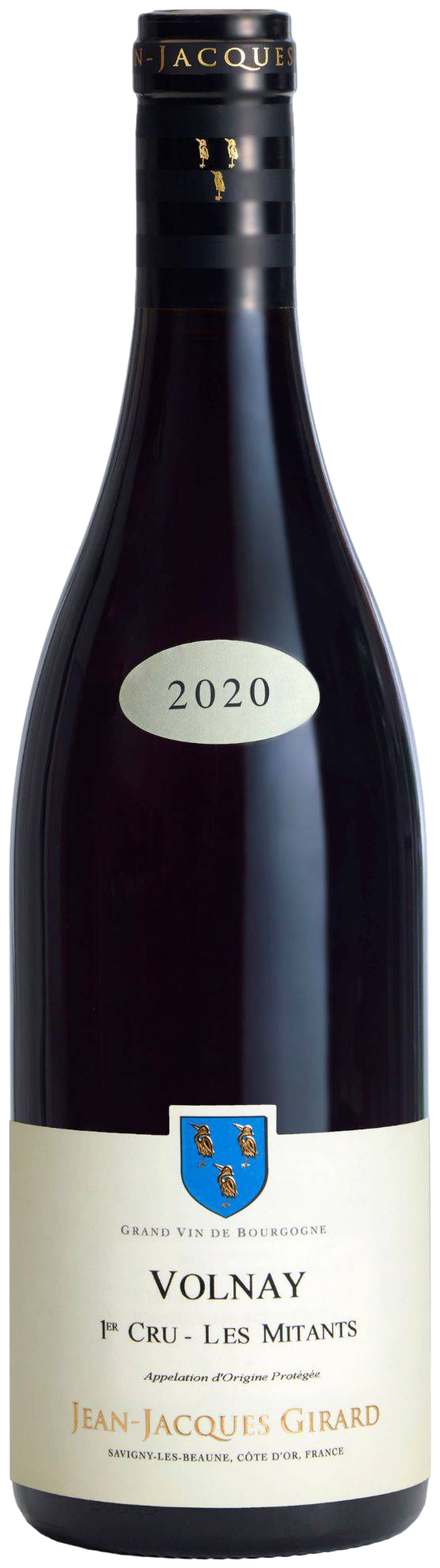
Volnay 1er Cru Les Mitans is what you open when the cheese board isn't just clearing the table before dessert, it's the point of the evening. The silky texture and layered notes of earth and red fruit that come with a Volnay premier cru give it more to say than an everyday Pinot Noir, and that extra dimension shows especially well against an aged Gruyère or Comté.
Opening it means slowing down, cutting a little more cheese, pouring a little more wine, and letting the pairing unfold instead of rushing to the next course. Against a nutty, crystalline aged cheese, the wine's complexity keeps revealing something new with each glass.
We hope our selection helped you find the right bottle for your board. A cheese platter usually shows up at the end of a long lunch, when the table is still full of people who aren't ready to leave yet. That's the moment to reach for something already open, or to pour a fresh glass and see where the next hour takes you. Snap what you picked and tag us, we like seeing what ends up next to the comté.
Frequently asked questions
Should I serve red or white wine with a cheese platter?
Both work, and they solve different problems. A silky red like Pinot Noir handles a mixed board without clashing, while a high-acid white like Chardonnay cuts through creamy or washed-rind cheeses more cleanly than any red can, since it refreshes with acidity instead of tannin.
What wine goes with blue cheese specifically?
Blue cheese is salty and intense, so it needs a wine with enough richness to answer back. Something like Amarone, with its dried-fruit depth and higher alcohol, echoes that intensity instead of tasting thin and flat next to it.
What about washed-rind cheeses that smell strong but taste mild?
Washed-rind cheeses are tricky because they're pungent on the nose but often gentle and creamy underneath. A fuller-bodied red with soft tannins, like a Saint-Émilion, or a mineral white with real acidity gives structure without an aggressive grip that would fight the cheese's fat.
Does sparkling wine work with a cheese platter?
Sparkling wine isn't on this list, but the same logic applies to it as to a crisp white: the bubbles and acidity cut through fat and reset your palate between cheeses, which is exactly what you want on a board with several different textures.
Is it worth opening a special bottle just for cheese?
If the board includes something like aged Gruyère or Comté, yes. A wine with more layers, like a Volnay 1er Cru, rewards the slower pace of a cheese course and turns it into something worth sitting with rather than just finishing a meal.
More pairings in Cheeses & fondues
You have the ideas.
We have the perfect wine.
Tired of overthinking your wine choice? Just tell us in a few words why you need a bottle and we'll find the perfect wine in under a minute.