
Everything you need to know about wines from Graubünden

Bündner Herrschaft: a small alpine Burgundy
Almost all of Graubünden's wine production is concentrated in the Bündner Herrschaft, a compact territory of barely 420 hectares nestled between Chur and the Liechtenstein border. Four municipalities form the heart of this region: Fläsch, Maienfeld, Jenins, and Malans. Four villages, four personalities, but one thing in common: a terroir that makes Pinot Noir fans go wild.
The comparison with Burgundy isn't marketing hype. The parallel is geological and climatic. Like in Côte-d'Or, the soils of the Herrschaft blend limestone, clay, and schist, offering Pinot Noir an ideal terrain for expression. The foehn, that warm, dry wind that rushes down from the Alps, plays a role similar to the air currents of the Saône valley: it accelerates grape ripening while maintaining nighttime coolness that preserves acidity and aromatic finesse.
Where Valais Pinot Noirs often show more flesh and sunshine, those from Graubünden (called Blauburgunder here) develop a translucent finesse, a tension between fruit and minerality that recalls great Burgundies. It's no accident that Graubünden winemakers often study in Burgundy before returning to cultivate their own plots.

An exceptional climate between Alps and foehn
To understand Graubünden wines, you need to understand the foehn. This warm wind that blows from the south crosses the Alps, heats up as it descends the northern slopes, and arrives in the Rhine valley like a natural hairdryer. Its effects on the vine are spectacular: it extends the ripening season, reduces humidity (and therefore diseases), and allows grapes to reach remarkable phenolic maturity despite the alpine latitude.
The vineyards face south to southeast, protected by mountains from cold northern winds. The temperature range between day and night is considerable, which allows grapes to develop complex aromas while maintaining invigorating natural acidity. It's this combination, daytime warmth and nighttime coolness, that gives Graubünden wines their signature: depth without heaviness, ripeness without excess.
The region's wine history dates back to Roman times, but it was in the Middle Ages that viticulture truly took off under the impetus of monasteries. Today, about 100 winemakers cultivate these 420 hectares, which gives an average of fairly intimate plots. Here, the approach is artisanal by nature, not by marketing choice.

Graubünden grape varieties: the reign of Pinot
If Valais stands out with its 50 grape varieties and canton Vaud with its king Chasselas, Graubünden has chosen specialization. And they chose the best: Pinot Noir largely dominates production, accompanied by a few whites worth the detour.
Pinot Noir, aka Blauburgunder
The undisputed king of Graubünden. It represents about 75% of plantings and it's the same grape that gave all its nobility to the grand crus of Côte-d'Or. As in Burgundy, Graubünden Pinot Noir is a capricious grape that faithfully reflects its terroir. Few grapes will express the identity of their plot as well.
From one village to another, the profiles change: Fläsch Pinots tend toward power and structure, those from Malans toward elegance and finesse, those from Jenins toward fruitiness and accessibility. On the nose, you find cherry, raspberry, sweet spices, sometimes violet and a bit of undergrowth. On the palate, the wine is fresh, round, with supple and delicate tannins. The fine tannic structure and long mineral finishes distinguish the best Blauburgunder from simple thirst-quenching Pinot Noirs.
If you recognize these delicate aromas in your glass, you can even say: "it really pinotes" 😉
In addition to red, Graubünden Pinot Noir also makes excellent blanc de noirs, vinified without maceration to extract all the freshness of the grape without its color.
Chardonnay, alpine Chablis version
Another Burgundian parallel. Chardonnay is the world's most famous white grape, but in the Herrschaft, it takes a form you might not know. Far from the buttery, oaky clichés of California Chardonnays, Graubünden versions bet everything on chalky minerality and freshness. It's a cool-climate Chardonnay, taut and nervous, that recalls Chablis more than Meursault.

On the nose, you find aromas of pear, citrus, and white flowers. On the palate, the buttery finish characteristic of the grape is much more discreet than elsewhere, giving way to lively acidity and beautiful minerality. It accompanies fish and seafood as well as a simple aperitif with friends.
Pinot Blanc, discreet but essential
Pinot Blanc is the result of a natural genetic mutation of Pinot Noir, from which it differs only in the color of its berries. Originally from Burgundy, it's a grape that prefers temperate and cool climates, exactly what the Herrschaft offers.
Sometimes not very aromatic on its own, Pinot Blanc is above all a grape that brings structure to blends. Pure, it produces fine and balanced wines, with notes of pear and peach on the nose, citrus and flowers on the palate. It will be the perfect companion for a terrine or a platter of alpine cheeses.
Pinot Gris, rich and aromatic
Pinot Gris completes the trio of Pinot Noir mutations present in Graubünden. It produces dry wines, with a darker yellow robe than average, floral fragrances, and fruity notes of peach, apricot, and melon.
In Switzerland, it's the fifth most cultivated white grape. In the Herrschaft, it brings body and aromatics to white blends, or is vinified as a single variety for fuller-bodied whites, made for aperitifs or to accompany a beautiful poultry dish.
Completer, the secret treasure of Graubünden
Here's the real gem. Completer is an extremely rare white grape that grows almost exclusively in canton Graubünden. Its name supposedly comes from compline, the last evening prayer of monks, because its late harvest often takes place at nightfall.
Rediscovered in the 1980s after nearly disappearing, it's now cultivated on barely 3 hectares, mainly in Malans. On the nose, it reveals intense aromas of exotic fruits like mango and pineapple, accompanied by floral notes and a spicy touch. On the palate, it's a generous and structured wine, with beautiful acidity that balances its power. You'll discover flavors of ripe fruits, honey, and sometimes a hint of hazelnut.
If you come across a bottle, don't hesitate for a second. Production remains confidential and you'll be lucky to find any.
Riesling-Silvaner (Müller-Thurgau), the everyday white
The region's most widespread white. Riesling-Silvaner, also known as Müller-Thurgau, was created in 1882 by Hermann Müller from Thurgau. Its parents? Probably Riesling and Madeleine royale (and not Silvaner as long believed).
It gives light, lively, and floral wines, with notes of green apple, lemon, and white flowers. It's the easy-going white par excellence, perfect for aperitifs or to accompany light cuisine. Not the most complex of the bunch, but the one that pleases everyone.
Our favorite wine estates from Graubünden
Möhr-Niggli, Maienfeld
At Möhr-Niggli, they don't do things by halves. This family estate in Maienfeld has forged a reputation that extends far beyond cantonal borders thanks to a demanding and uncompromising approach. Their philosophy in one word: precision. Each plot is worked according to its own character, each vintage is an opportunity to express the terroir as faithfully as possible.
Their range extends from Maienfelder Pinot Noir, an elegant and accessible classic, to Magnus, a prestige cuvée that has nothing to envy from great Burgundy crus. But it's perhaps their Chardonnay that surprises most: mineral, taut, almost austere in its youth, it reveals remarkable complexity with a few years in the cellar.


Weingut Wegelin, Malans
In Malans, Weingut Wegelin embodies that Graubünden wine tradition that blends Alemannic rigor and Latin sensitivity. The estate works plots located at different altitudes, which allows it to play on the nuances of the same grape according to exposure and altitude. The result is wines that tell their origin with almost cartographic precision.
Their Malanser Blauburgunder is a perfect introduction to the Graubünden style: bright red fruits, alpine freshness, fine tannins, and remarkable drinkability. On the white side, their Herrschaft Blanc (a blend of Chardonnay, Pinot Blanc, Pinot Gris, and Pinot Noir vinified as white) is an ideal calling card for discovering the region's aromatic palette.

Our selection of wines from Graubünden
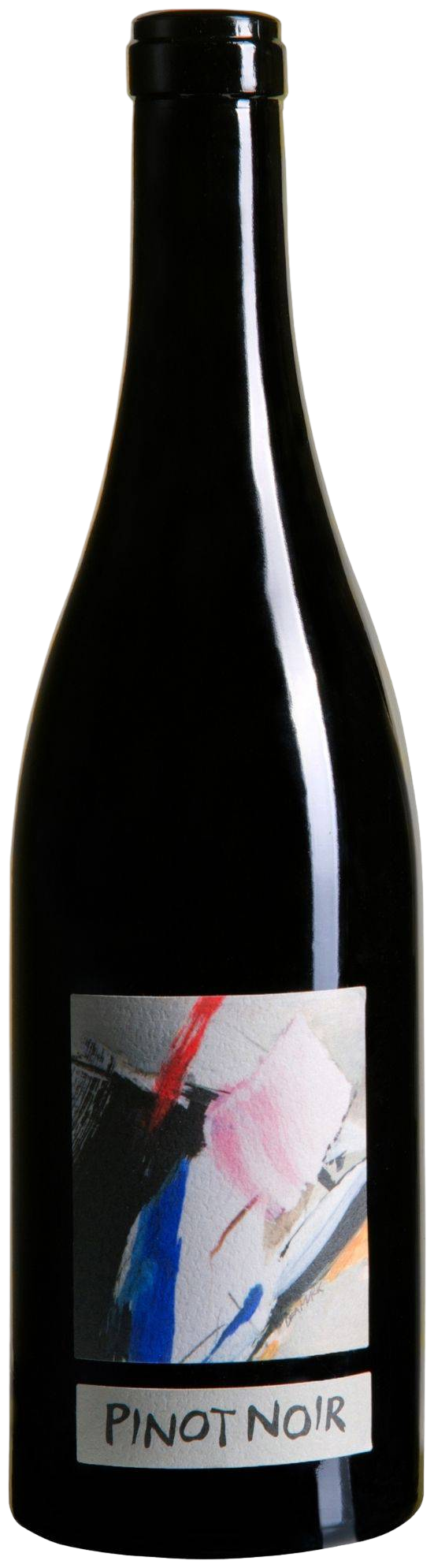
Maienfelder Pinot Noir 2023, Möhr-Niggli
This Pinot Noir embodies the spirit of Graubünden wines with its freshness and accessible character. It's the kind of wine that makes you want to open a second bottle.
The nose reveals bright red fruits, accompanied by subtle spices and a light touch of roasting. On the palate, the wine remains fresh and vibrant, with a light body that keeps everything elegant and easy to drink. The finish is clean, with discreet minerality that marks its alpine origin.
Pair it with Graubünden specialties like air-dried meat or well-filled capuns. Serve it at 16-18°C to let the fruits fully express themselves.
Switzerland • Graubünden • Graubünden AOC
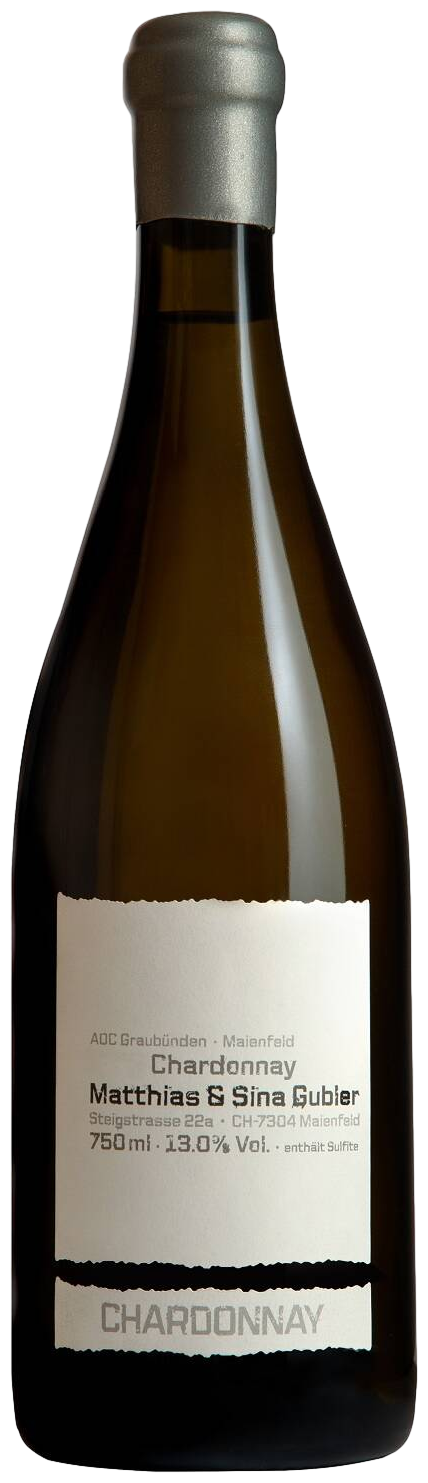
Chardonnay 2023, Möhr-Niggli
This Graubünden Chardonnay will surprise you with its assertive character and unique personality. Far from buttery and oaky clichés, it bets everything on freshness and mineral elegance that make Möhr-Niggli's signature.
On the nose, you first discover complex yeasty notes, almost brioche-like, accompanied by beautiful chalky minerality. On the palate, it's a lively and taut wine, with beautiful nervousness that crosses the palate. Spicy notes complete this refined aromatic palette, offering a slender and persistent finish.
Perfect to accompany a moitié-moitié fondue or raclette, this Chardonnay will also enhance lake fish like perch or Arctic char. Serve it chilled between 10°C and 12°C to fully enjoy its liveliness.
Switzerland • Graubünden • Graubünden AOC
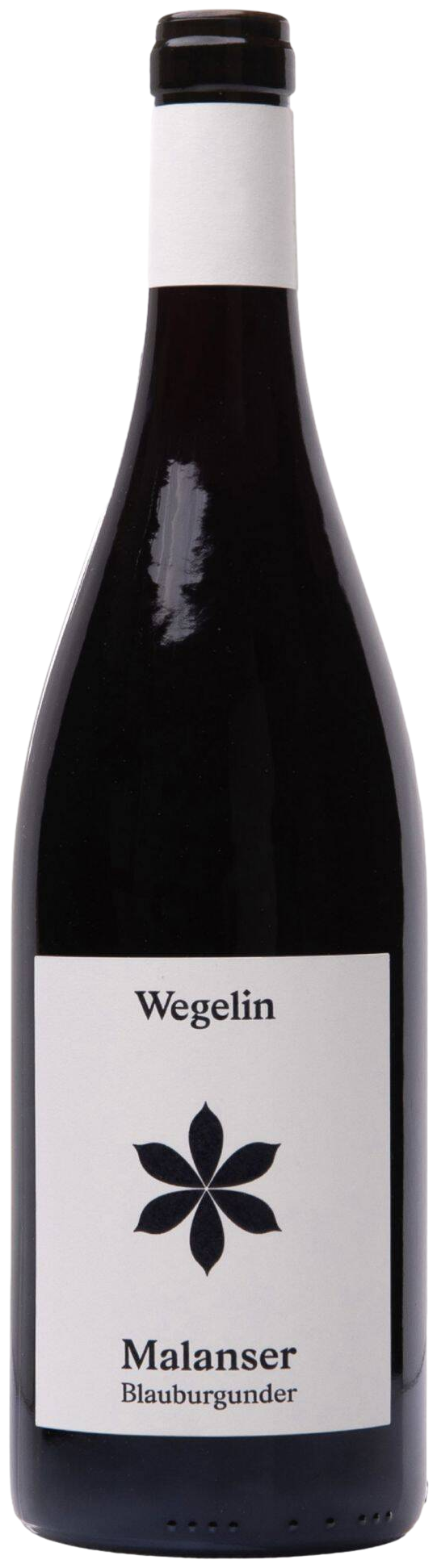
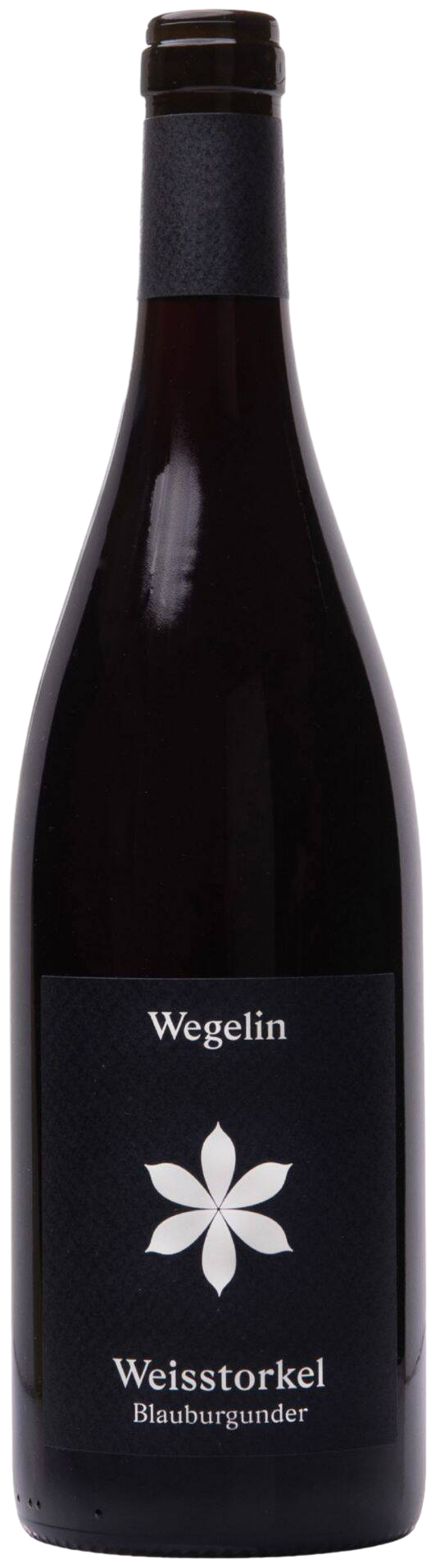
Malanser Blauburgunder 2024, Weingut Wegelin
This Graubünden Pinot Noir brings together grapes from several plots located at different altitudes, creating a wine that proudly displays its mountain origins. It's the ideal entry point for discovering the fresh and elegant style of Swiss alpine wines.
The nose reveals bright red fruits with a delicate freshness that testifies to vinification in a cool climate. On the palate, you'll find juicy notes of cherry and raspberry, supported by fine tannins and lively acidity that keeps everything dynamic and balanced.
Serve this wine at 16-18°C with grilled meats, mushroom risotto, or traditional cheese fondue. It also perfectly accompanies roast duck or a hearty vegetable gratin.
Switzerland • Graubünden • Graubünden AOC
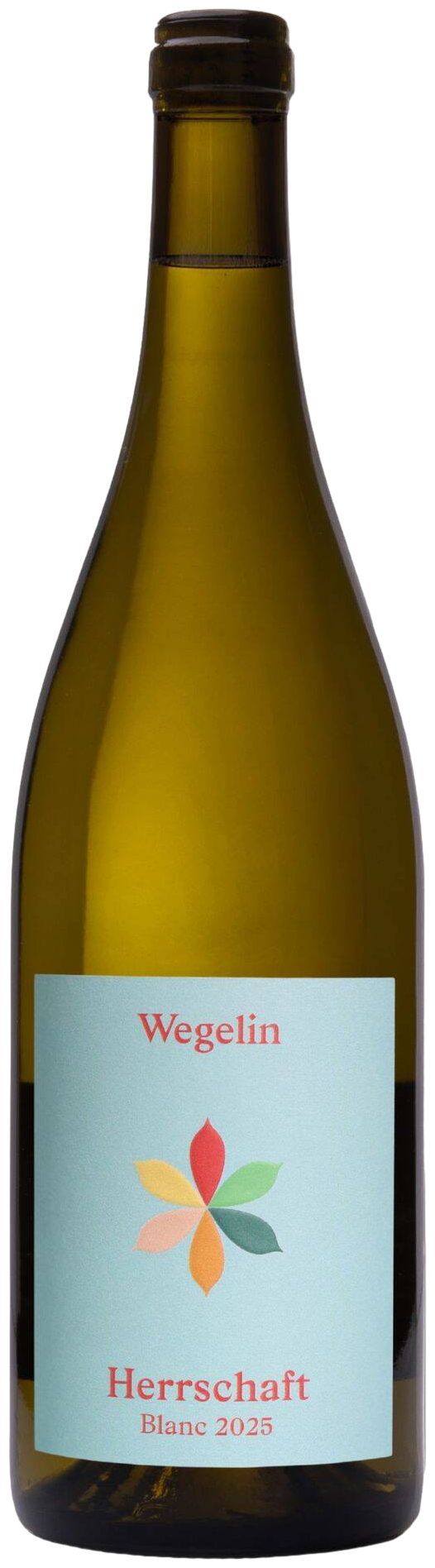
Herrschaft Blanc 2025, Weingut Wegelin
This blend of Chardonnay, Pinot Blanc, Pinot Gris, and Pinot Noir vinified as white is a true identity card of the Bündner Herrschaft in a single bottle. Four grapes from the Pinot family, united to express the aromatic diversity of the region.
The nose is fresh and engaging, mixing white fruits, citrus, and a delicate floral touch. On the palate, the wine offers a supple texture and beautiful roundness, balanced by fresh acidity that maintains tension. The blend gives a complexity that none of the grapes would achieve alone, with a saline and slightly spicy finish.
A white ideal for aperitifs or to accompany light starters, a platter of alpine cheeses, or Pizzoccheri. It's probably the best value for money in our Graubünden selection.
Switzerland • Graubünden • Graubünden AOC
What dishes pair with Graubünden wines?
Air-dried meat from Graubünden: the perfect pairing
Impossible to talk about Graubünden without talking about air-dried meat. Bündnerfleisch, this beef dried in alpine air for months, is the natural companion of local Pinot Noir. The finesse of the meat, its slightly smoky side, and its melting texture call for a wine that doesn't overwhelm it. A Maienfelder Pinot Noir or a Malanser Blauburgunder, with their delicate fruitiness and silky tannins, create a pairing of absolute harmony. Add some pickles, rye bread, and a glass of Blauburgunder, and you have the perfect aperitif.
Capuns: the quintessential Graubünden dish
Capuns, these little packets of herbed dough and dried meat, wrapped in chard leaves, are Graubünden's quintessential comfort food. To accompany them, a light and fruity Pinot Noir works wonders: its freshness cuts through the richness of the dish without masking the herb and cheese flavors. Weingut Wegelin's Malanser Blauburgunder is an ideal companion. If you prefer a white, the Herrschaft Blanc with its roundness and fresh acidity also works very well.

Pizzoccheri and alpine specialties
Pizzoccheri, these buckwheat pasta gratinated with cheese and vegetables, are a heritage from neighboring Valtellina that Graubünden has joyfully adopted. A hearty and rustic dish, it calls for a white wine with character. Möhr-Niggli's Chardonnay, with its minerality and structure, stands up to melted cheese without flinching. For Maluns (grated potatoes browned in butter, served with applesauce and cheese), a lighter white like Herrschaft Blanc offers a refreshing contrast.
Alpine cheeses and grilled meats
Graubünden alpine cheeses, whether Alp Bündner or local mountain cheese, pair wonderfully with the region's whites. For a fondue, Chardonnay brings the necessary acidity to cut through the fat. For grilled meats, Pinot Noir naturally imposes itself with its fine and fruity structure, whether on a steak or regional game.
What if you explored other Swiss vineyards?
Graubünden wines aren't the best known in Switzerland, and that's a good thing. This relative discretion preserves an authentic spirit, far from sometimes invasive wine marketing. The estates are small, productions confidential, and quality takes precedence over quantity. If you're looking to get off the beaten path of Swiss wine, the Bündner Herrschaft is a treasure waiting to be discovered.
To continue your exploration, dive into our guide to Valais wines, the country's largest wine region with its 50 grape varieties and powerful Syrahs. Or discover Vaud wines, the fascinating world of Chasselas and the UNESCO-listed terraces of Lavaux.
Graubünden: Discover our wines
Graubünden AOC
Graubünden AOC
Graubünden AOC
Graubünden AOC
Graubünden AOC
Graubünden AOC
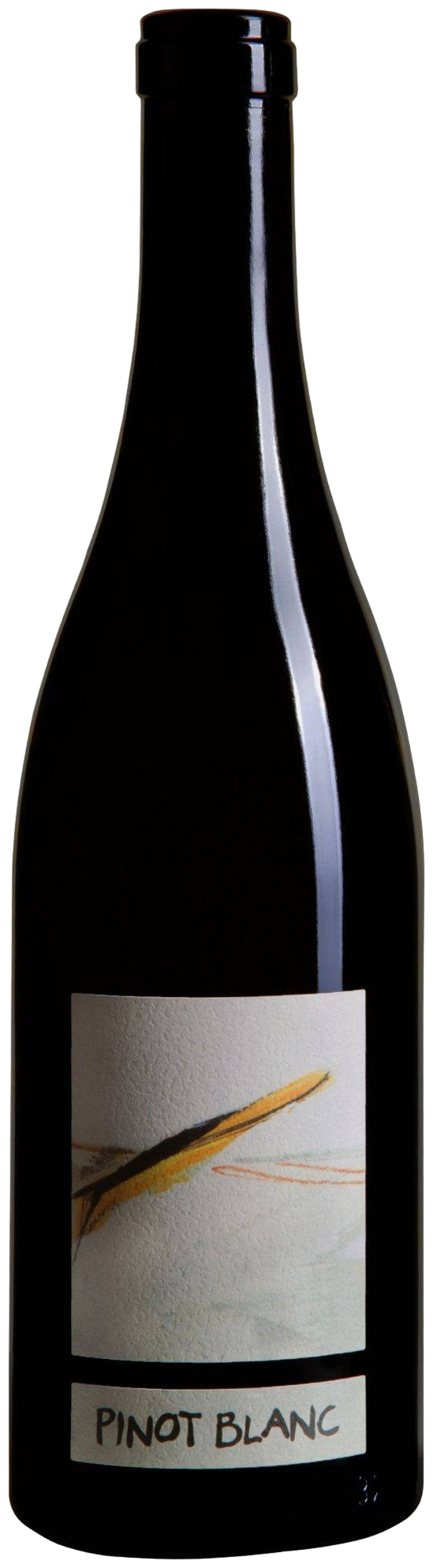
Graubünden AOC
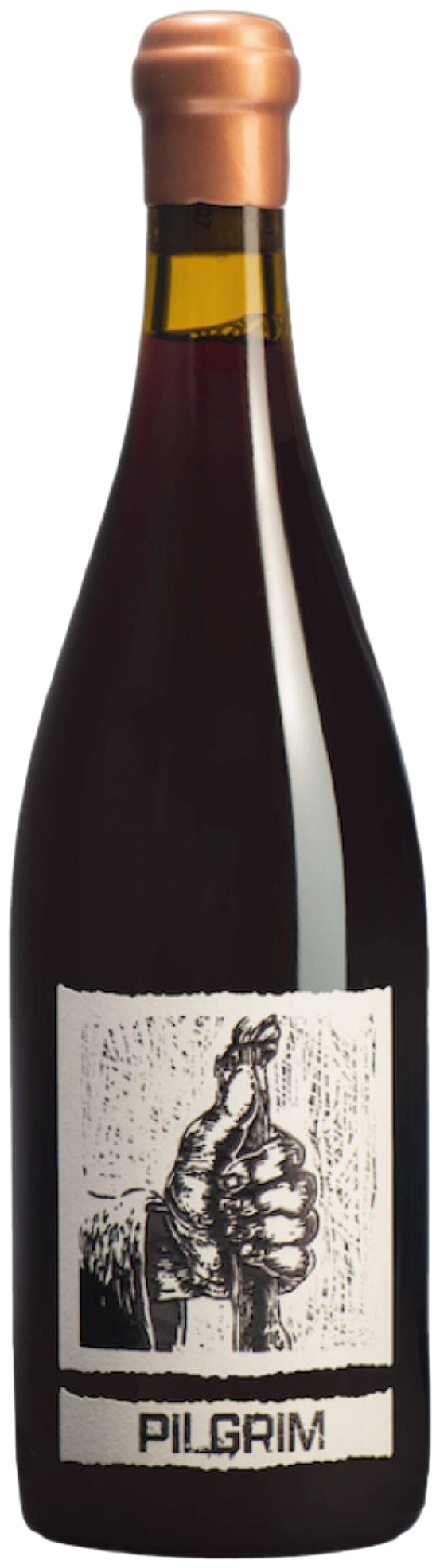
Graubünden AOC