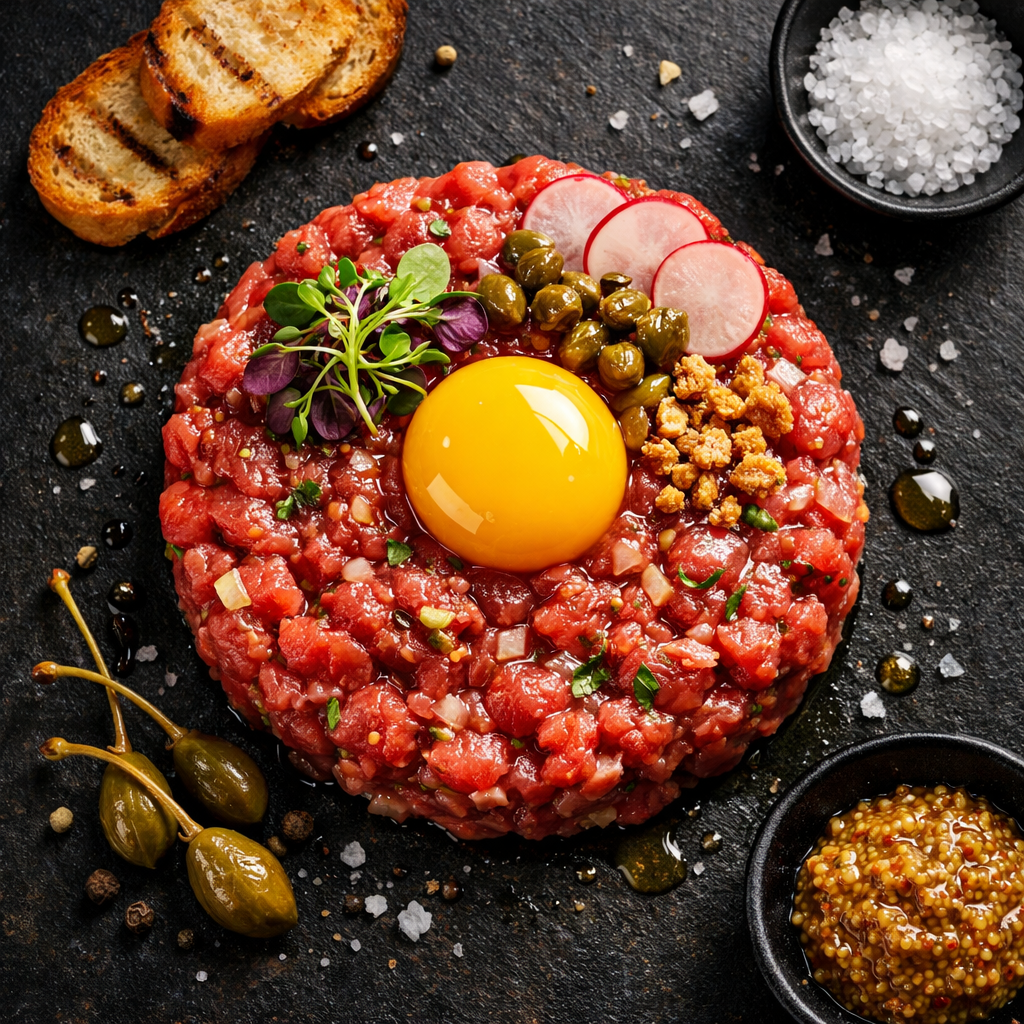
Beef tartare is quiet on its own. The meat is cool, soft, almost neutral, and everything you taste comes from what's mixed into it: egg yolk for richness, mustard and capers for bite, onion and Worcestershire for that savoury push. A wine poured next to it isn't there to match beef, it's there to answer the seasoning.
This is why tannin is the enemy here. A big, structured red grips onto raw protein and turns metallic, drying out a texture that should feel silky. What the dish wants instead is acidity, something bright enough to cut through egg yolk and mayonnaise the way a squeeze of lemon would, with fruit that stays fresh rather than jammy.
Serve it a touch cool, the way you'd treat a light Beaujolais or a rosé. The tartare is cold on the plate, and the wine should feel like it belongs in the same room.
The perfect matchThe bottle you reach for without overthinking it
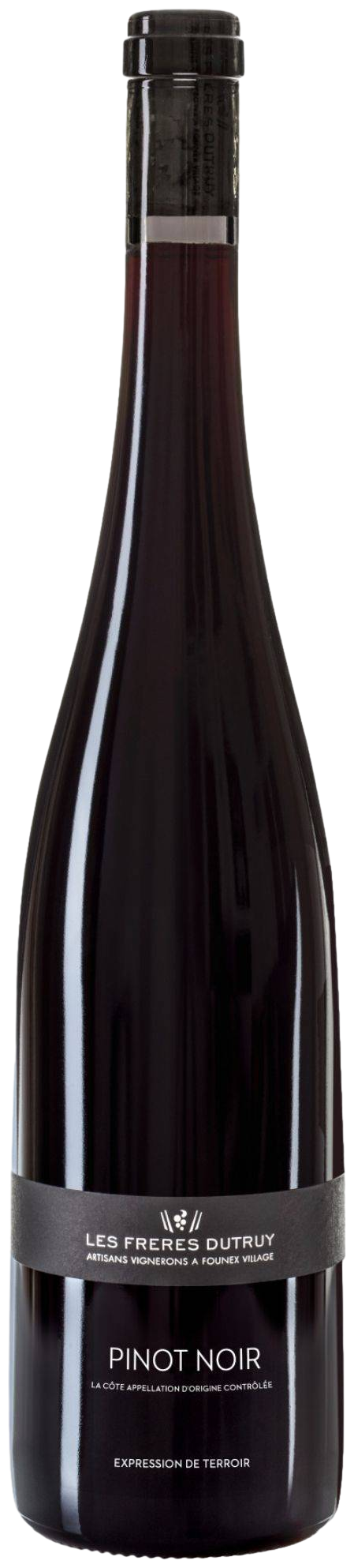
This Pinot Noir from La Côte is light on its feet, the kind of red that slips past the raw texture of the meat instead of fighting it. Its tannin is barely there, so nothing dries out the beef, and its cherry-driven acidity does the real work, cutting straight through the egg yolk, mustard and mayonnaise that give a tartare its richness.
It's the wine to open when you don't want to think too hard about the pairing and just want it to be right. Pour it a little cool and it carries the whole plate, from the raw meat to whatever sharp little extras end up mixed in.
Also greatFor the tartare you eat standing at the bar
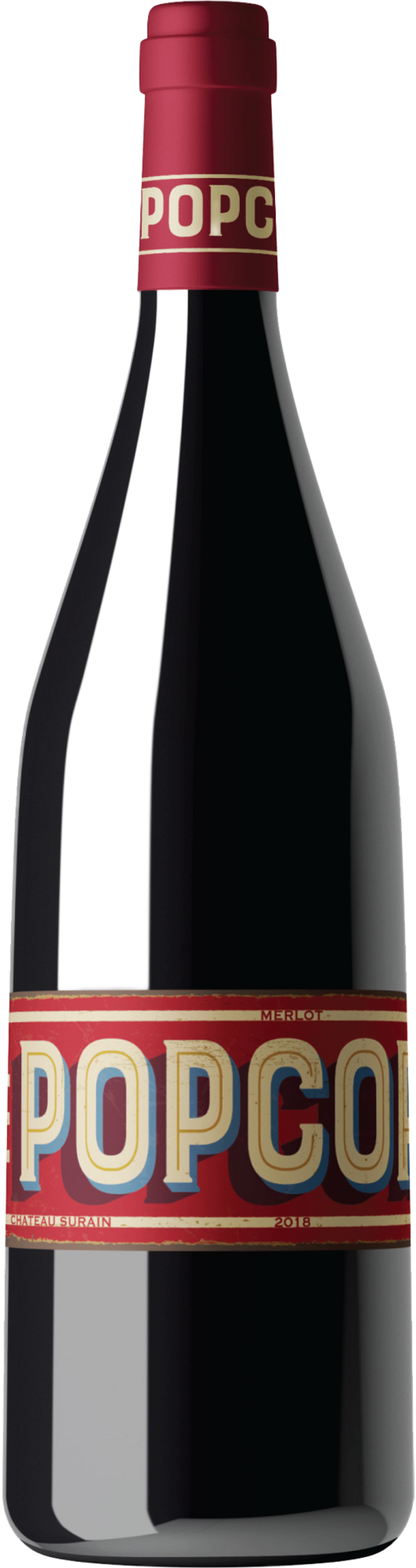
Popcorn Merlot doesn't try to impress anyone, and that's exactly the point here. It's soft, pure fruit with almost no oak and barely any tannin, so it stays out of the way of the meat's delicate texture rather than layering complexity onto it.
Think of it as the bistro option, the bottle for a tartare eaten fast, maybe with fries on the side and no ceremony. It won't give you the same nuance as the Vaud Pinot Noir, but that's not what it's for.
Also greatWhen the seasoning does the talking
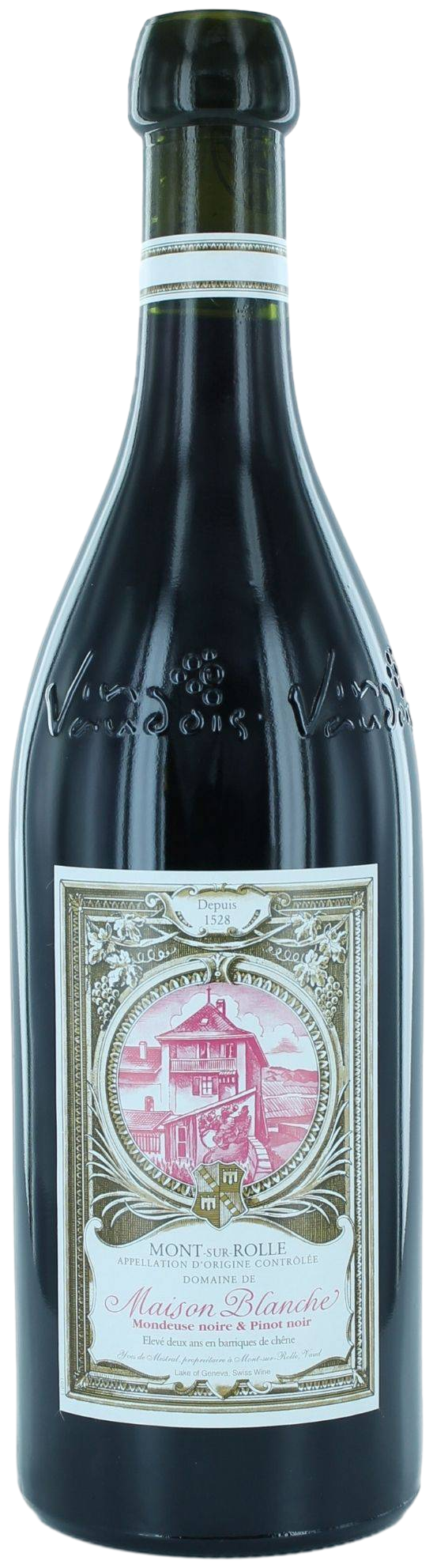
Some tartares lean hard into pepper, capers and a splash of Worcestershire, and this Mont-sur-Rolle blend is built for exactly that moment. The Mondeuse Noire brings a peppery, savoury edge that meets those flavours head-on instead of sitting quietly beside them, while the Pinot Noir in the blend keeps things gentle enough for raw meat.
Where the Popcorn Merlot stays simple and fruity, this one talks back to the dish a little. It's the pick for a tartare with real character in the seasoning.
Also greatThe same grape, a cooler accent
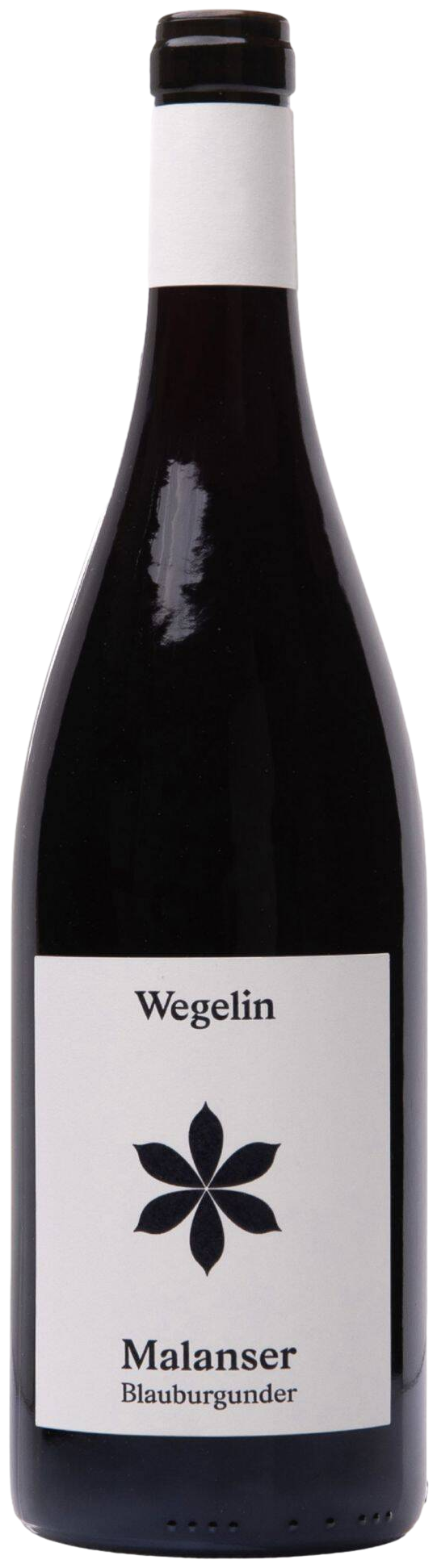
If the La Côte Pinot Noir is the obvious choice, this Grisons Blauburgunder is the one for when you want that same lightness but from higher, cooler ground. It's more mineral, more red-fruited, with an alpine edge that changes the mood of the pairing without changing the logic behind it.
Still low in tannin, still built to respect the meat's texture, it just tastes like it comes from somewhere else. Good for anyone who's had the Vaud bottle before and wants a different accent on the same idea.
Treat yourselfAn invitation to drink tartare the Italian way
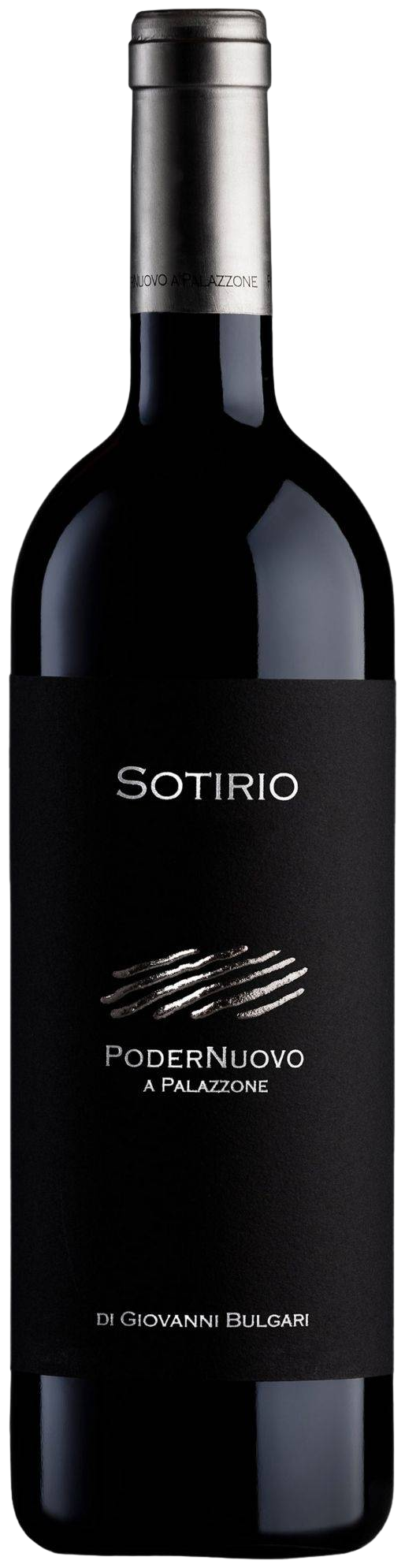
In Tuscany, raw beef battuta gets poured with Sangiovese as a matter of course, and Sotirio shows why. Its acidity is bright enough to handle egg yolk and mustard the same way the wines above do, but the tannin has a finer grain, and the finish carries a savoury, tobacco-tinged note that gives the whole plate a bit more depth.
Open this one when the tartare is the centrepiece of the evening rather than a quick starter. It doesn't ask you to change how you make the dish, it just adds a layer of seriousness to it.
We hope our selection helped you land on the right bottle for your beef tartare. This is a dish for a table where people talk with their hands, plates passed around, second helpings expected. Once it's in front of you, there's nothing left to do but pour and dig in. Snap a photo of your table and tag us, we're always curious to see what ends up next to the tartare.
Frequently asked questions
Should beef tartare be served with red or white wine?
Red is the classic choice, but it has to be a light one. A soft, low-tannin red like Pinot Noir or Merlot has the fruit and freshness the dish wants without the grip that a heavier red would bring to raw meat.
Why does a big tannic red not work with steak tartare?
Tannin needs fat and cooked protein to soften against. Raw beef doesn't give it that, so the tannin comes through hard and slightly metallic, and it dries out a texture that's meant to feel silky in the mouth.
Does a spicy or heavily seasoned tartare change the wine choice?
If your tartare leans on Tabasco, Worcestershire, capers or a lot of pepper, look for a red with a peppery or savoury edge of its own, like a Mondeuse blend, rather than a purely fruity one. It echoes the seasoning instead of getting lost behind it.
Can you drink white wine or champagne with beef tartare?
Yes, a crisp white or a dry sparkling wine works well too, especially if you want something to cut cleanly through the egg yolk and capers. It's simply a different route than the light reds here, not a downgrade.
More pairings in Beef
You have the ideas.
We have the perfect wine.
Tired of overthinking your wine choice? Just tell us in a few words why you need a bottle and we'll find the perfect wine in under a minute.