
Piedmont, where Italian wine reaches its peak

Taking a little trip around Turin means accessing a true paradise for epicureans. Piedmontese wines are among the most refined in the world and the local gastronomy's reputation speaks for itself. In October and November, the truffle takes center stage in Alba for its traditional fair. Nothing beats the autumn fog like a little pilgrimage across the Alps to taste the delights that Italy has mastered!
An ideal climate for viticulture
Located on hills south of the Alps, Piedmont offers an ideal climate for vine cultivation: cool, slightly shaded and far from the stifling heat of the Mediterranean, with well-defined seasons, all the ingredients are there.
Between Piedmont and wine, it's a long love story. Traces can be found in Roman archives! Winemakers quickly earned a flattering reputation and were able to supply the finest tables in Milan and Genoa. Today, Piedmont is the Italian region with the highest number of superior appellations, and that's no accident.

The wine regions of Piedmont
Piedmont is divided into several wine regions, each with its own controlled designation of origin. That's the famous DOC you see on bottle necks! Between Alba and Asti, the hills stretching as far as the eye can see are the birthplace of some of the finest appellations in Italian wine.
Langhe, the beating heart of Piedmont
Langhe is where everything happens. This rolling landscape, a UNESCO World Heritage site, is home to Italy's most prestigious appellations. This is where Nebbiolo reaches its peak, giving birth to Barolo and Barbaresco, the country's two most famous DOCG wines.
Around Alba, winemakers specialize in single varieties, notably Dolcetto d'Alba and Barbera d'Alba. Further south, the Barolo zone extends over 11 communes, each with its own micro-terroir: Serralunga d'Alba for power, La Morra for elegance, Castiglione Falletto for balance. The Barbaresco zone, more compact, groups 4 communes around the town of the same name and produces Nebbiolos that are generally more accessible in their youth.
Roero, the rising left bank
On the other side of the Tanaro, facing Langhe, Roero has long remained in the shadow of its illustrious neighbor. That's changing, and fast. The sandy and calcareous soils produce Nebbiolos that are softer and earlier than those from Langhe, perfect for those who don't want to wait 10 years before opening a bottle.
But it's especially in white that Roero shines. Arneis, this long-despised grape variety that nearly disappeared in the 1960s, finds its ideal terroir here. Today, Roero Arneis DOCG is one of the most elegant whites in northern Italy.
Monferrato, between Barbera and Moscato
Monferrato is the gourmet and relaxed Piedmont. Larger than Langhe, this hilly region extends from Asti to Alessandria and produces more accessible wines, but no less interesting.
This is where Barbera reigns. Barbera d'Asti and Barbera del Monferrato are everyday wines par excellence: generous, fruity, with a fresh acidity that makes them irresistible at the table. Monferrato is also the kingdom of Moscato d'Asti, that sweet and light sparkling wine that delights aperitifs and desserts around the world.
Gavi and southern Piedmont
Far to the south, at the gates of Liguria, the small appellation of Gavi produces dry whites based on Cortese. It's a mineral, lively and delicate wine, perfect for accompanying seafood and fish. Less known than Arneis, Gavi deserves attention if you like taut and refreshing whites.
There's more to life than Nebbiolo
Piedmont has a magnificent range of indigenous grape varieties. In red, Nebbiolo reigns supreme for its age-worthy wines whose reputation is well established. It produces very digestible wines, with a high concentration of tannins, almost always aged in barrels, which gives it aromas of vanilla or milk chocolate.

It would be a shame to limit Piedmont to Nebbiolo alone. Dolcetto, whose name misleads us, is a red grape variety that produces robust wines, which we could call the entry-level of most local cellars. Barbera is the most popular wine on bistro tables. Easy-drinking wines that please the masses with their beautiful acidity and light tannins, Barberas can be considered the Piedmontese Merlot. We can also mention other black grape varieties like Freisa or Bonarda, which can be vinified alone or in blends.
In dry white, let yourself be enchanted by the perfume of Arneis. You'll taste a grape variety with low to medium acidity, whose notes are ultra-specific, with beautiful aromas of citrus, apple, pear and almond. If you have a sweet tooth, you won't be left out with the fine bubbles of Moscato d'Asti. Whether as an aperitif or with dessert, the lightness and expression of Moscato always works wonders!
Barolo, the wine of kings
You wouldn't be here if you hadn't heard at least once about Barolo, the appellation that makes the prestige of Langhe, so much so that it's nicknamed "the wine of kings."

Barolo benefits from a DOCG and strict specifications meant to ensure an optimal level of quality. In reality, Barolos are delicate wines, whose garnet robe is quickly recognizable, as are its prominent tannins and vanilla or leather notes. Its characteristics make them wines we wouldn't recommend to those taking their first steps in the field. You need a bit of experience to decode a Barolo and appreciate its subtleties. You can always buy one today and enjoy it in at least ten years, as Barolos are among the wines most suited to aging!
Our favorite Piedmontese winemakers
Piedmont is full of talented winemakers, from large historic houses to small family operations. We've chosen to highlight three cellars we love, each with its own style and personality.
Cascina Galarin
At Cascina Galarin, Giovanni and his team cultivate the vine with a dedication that shows in every tasting. Specializing in Piedmontese grape varieties, they produce notably an Arneis that sets the standard and an irresistible Moscato d'Asti. Their approach: respect the terroir without artifice, let the grape express itself.

Alberto Ballarin
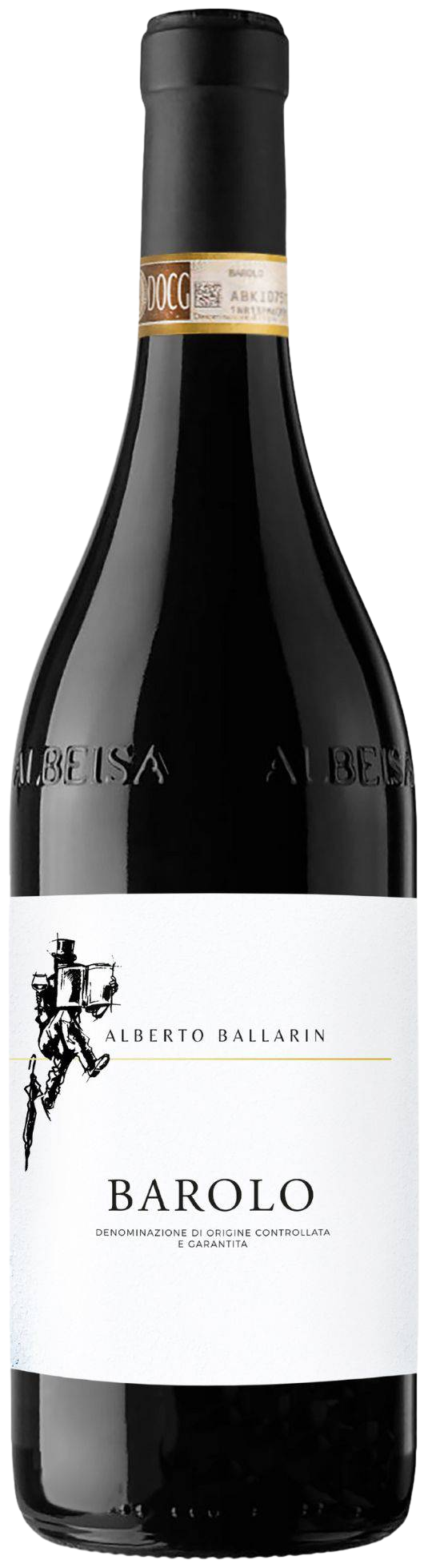
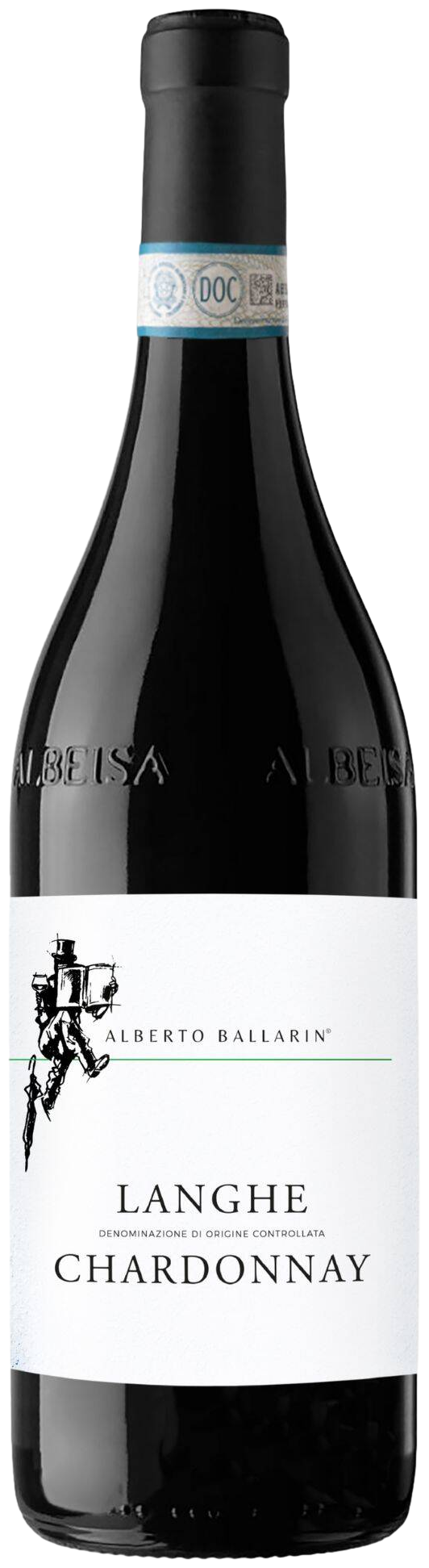
Alberto Ballarin embodies Piedmontese tradition at its noblest. His range extends from accessible Dolcetto to age-worthy Barolo, passing through a Nebbiolo that's a true indicator of his expertise. Each vintage tells the story of his parcels in Langhe.

La Casaccia
On the Monferrato side, La Casaccia works Barbera with remarkable precision. Their Bricco dei Boschi is a model of its kind: generous, complex, but without excess. A cellar that proves Monferrato deserves as much attention as Langhe.

Our selection of Piedmont wines
We've selected 7 wines that represent Piedmont's diversity, from aperitif white to age-worthy Barolo. Enough to cover all occasions.
Arneis Barivel 2024, Cascina Galarin
They say Arneis is the white Barolo, in other words the king of Piedmont aperitifs. The one from Cascina Galarin takes us directly to the gentle Piedmontese hills. Its sunny yellow robe catches the eye, while its aromas of fresh flowers, citrus and melon awaken the senses. On the palate, a dry and elegant white wine, with subtle notes of almond and a persistent finish.
Bio
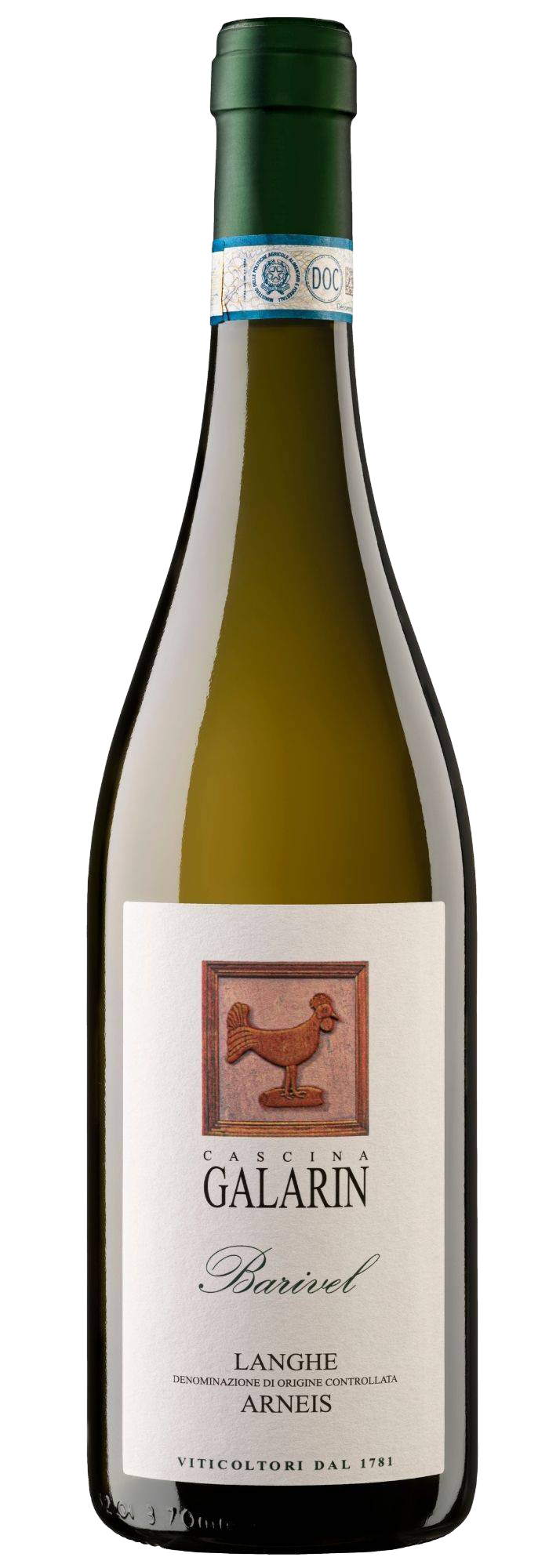
Italy • Piedmont • Langhe Arneis DOC
Prà Dône Moscato d'Asti 2024, Cascina Galarin
If you have a sweet tooth, this bottle is made for you. The Moscato d'Asti from Cascina Galarin is joy in a bottle: fine bubbles, perfectly controlled sweetness and an intoxicating bouquet of spring flowers and exotic fruits. Light, fresh, silky, it transforms any aperitif into a celebration. Serve it well chilled with a fruit tart or a platter of mild cheeses.
Bio
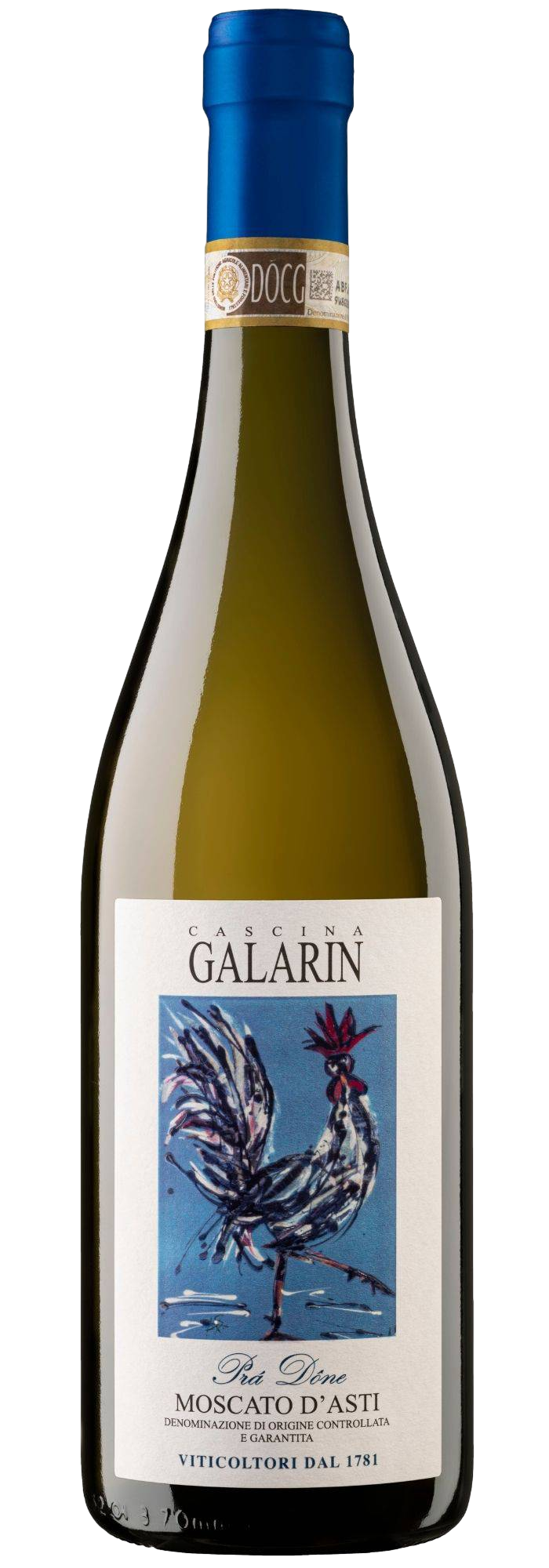
Italy • Piedmont • Moscato d'Asti DOCG
Dolcetto d'Alba 2023, Alberto Ballarin
Contrary to what its name seems to indicate, Dolcetto won't be sweet, but rather tannic and robust. This version from Alberto Ballarin is a beautiful example: bright ruby robe, sweet perfume, fruit that seduces on the palate with subtle tannins. A bottle ready to drink, perfect for an evening with friends around grilled meat.
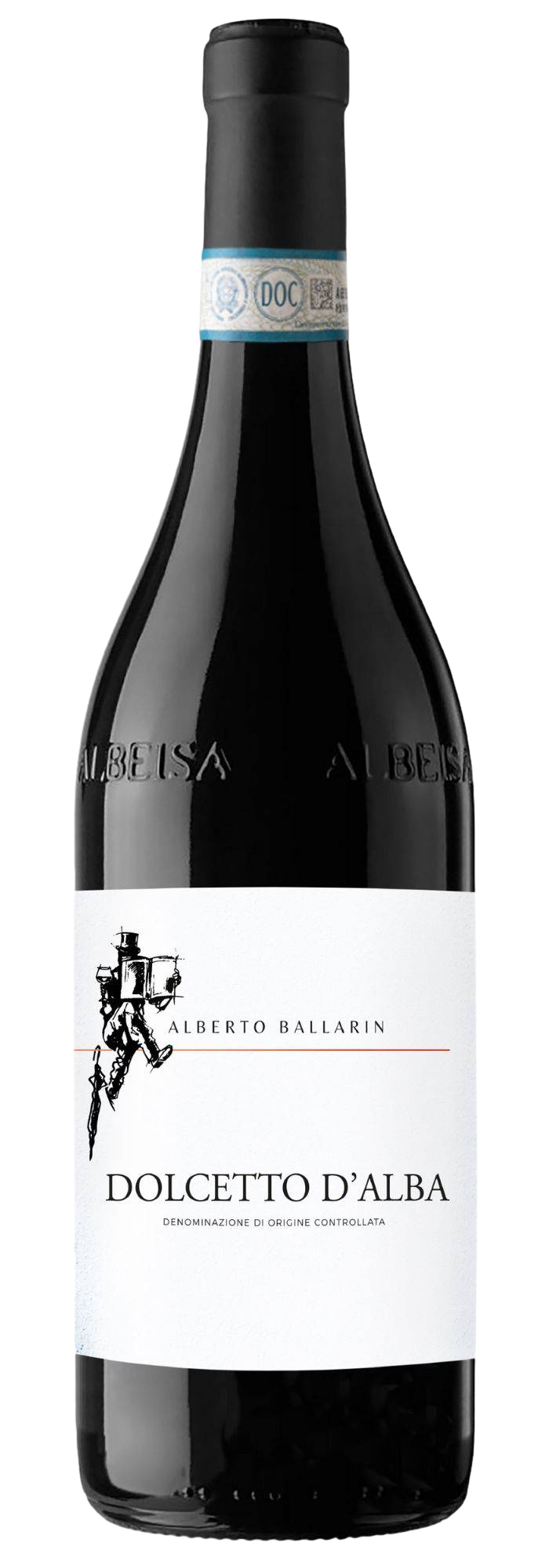
Italy • Piedmont • Dolcetto d'Alba DOC
Le Querce Barbera d'Asti 2023, Cascina Galarin
Here's the kind of bottle that pleases everyone. Versatile, generous, complex, but without excess. Deep red robe, intense aromas of blackcurrant, strawberry and blueberry. On the palate, it's dry, medium-bodied, with an acidity that awakens and soft tannins. Unbeatable quality-complexity ratio.
Bio
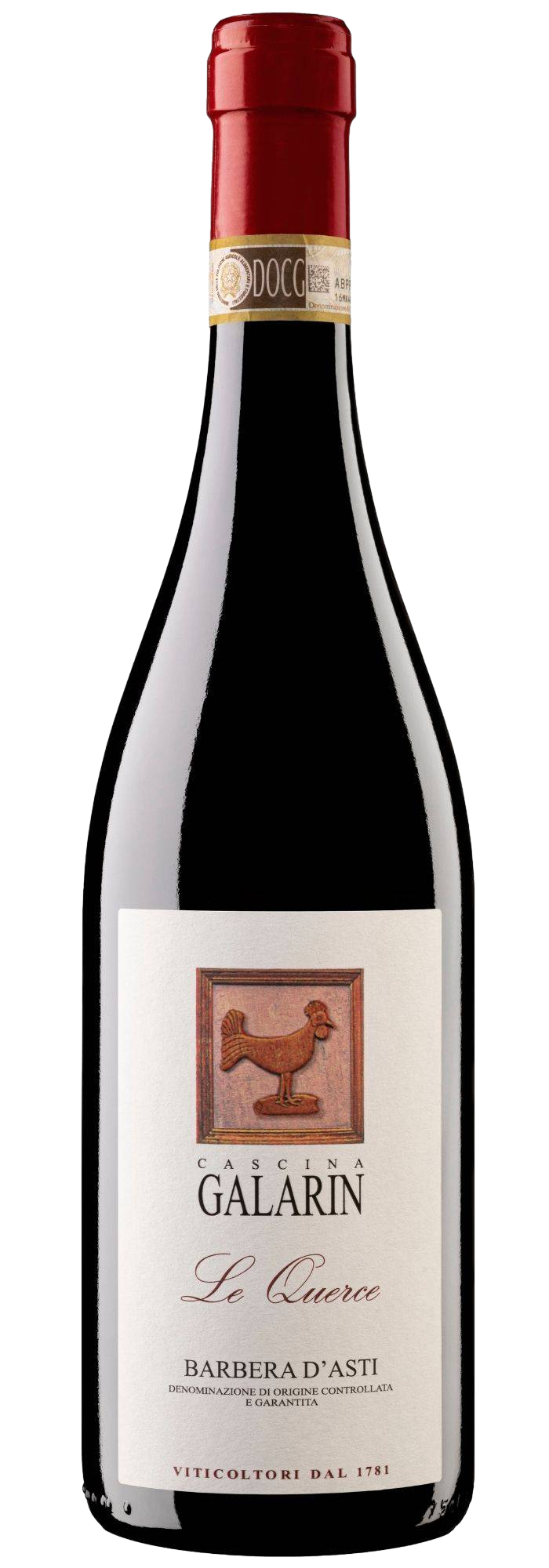
Italy • Piedmont • Barbera d'Asti DOCG
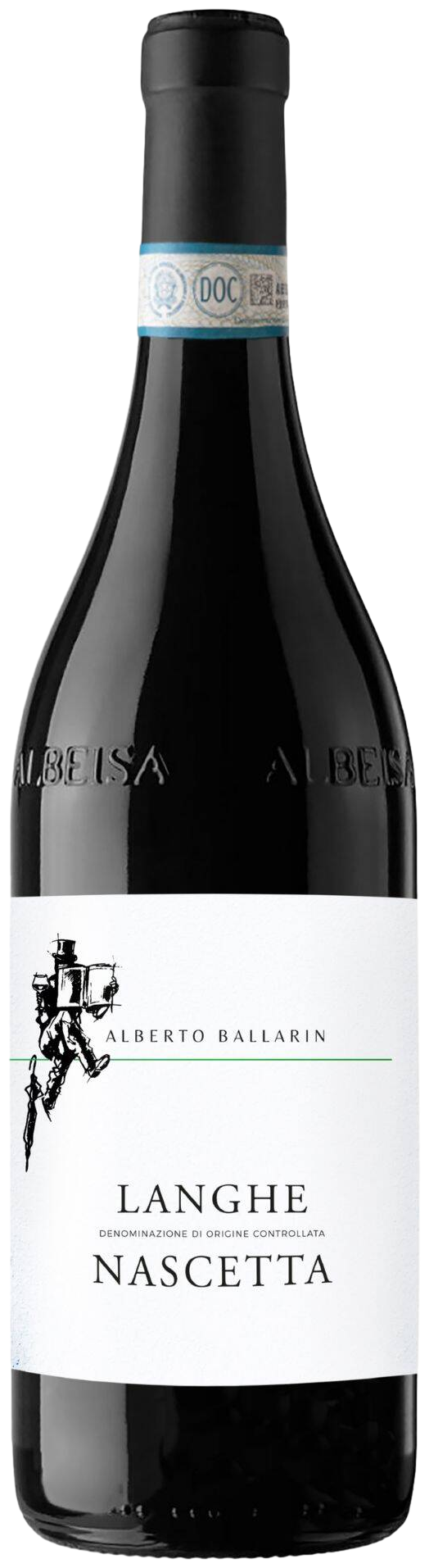
Langhe Nebbiolo DOC 2024, Alberto Ballarin
They often say that Nebbiolo is the true indicator of a Piedmontese winemaker's quality. Alberto Ballarin offers us here a pure and sincere expression of the king grape. Ruby-garnet robe, rich bouquet of red fruits with floral notes of rose and violet. On the palate, the harmony between invigorating acidity and well-integrated tannins impresses. Proof that you can travel through Piedmont without leaving your table.
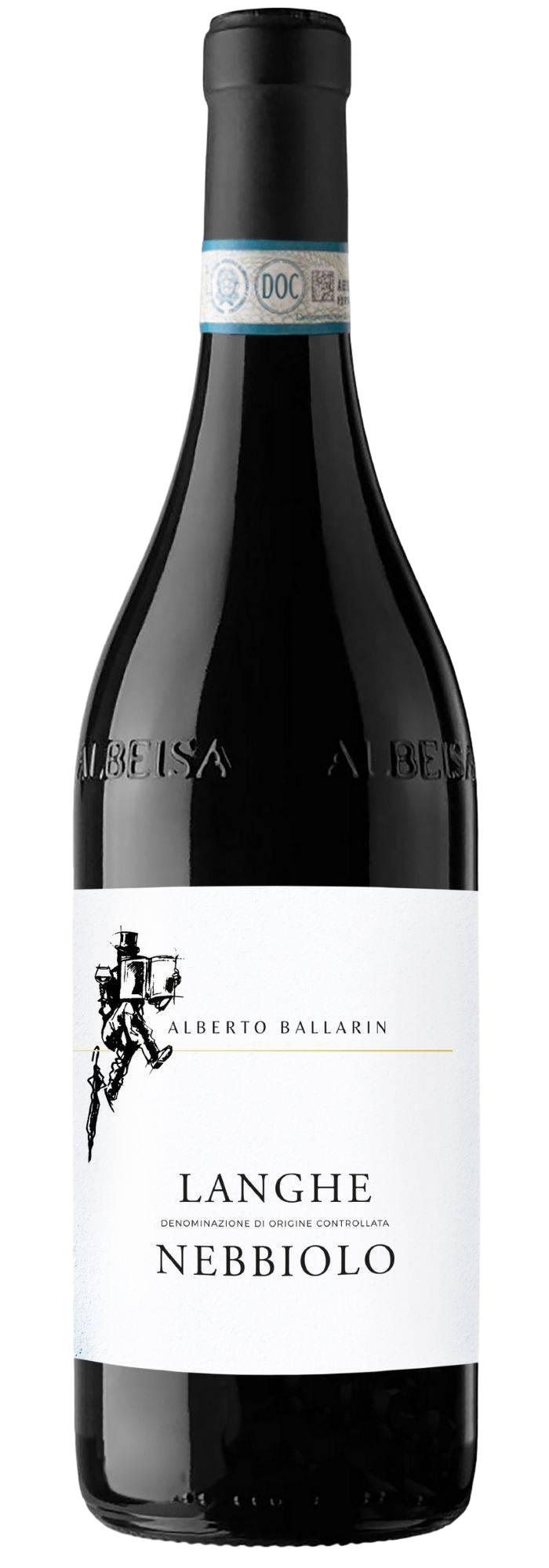
Italy • Piedmont • Langhe DOC
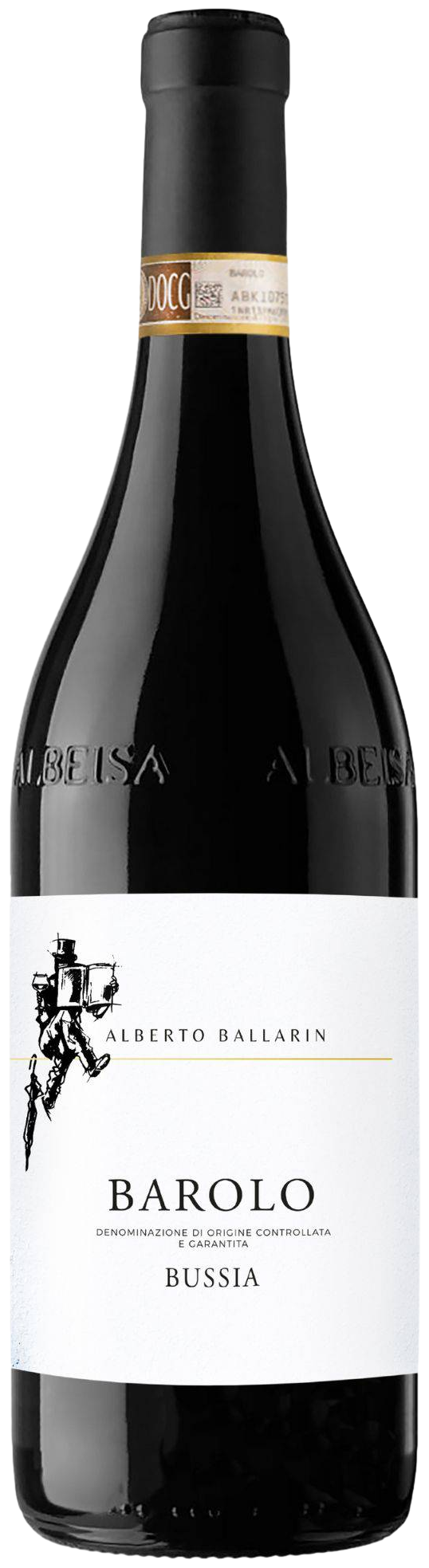
Barolo Bussia 2020, Alberto Ballarin
Barolo Bussia is the real deal. From the prestigious Bussia terroir, this Nebbiolo expresses itself with all its nobility. Garnet robe with orange reflections, elegant bouquet of rose and violet, notes of sweet spices. On the palate, the richness and persistence reveal all the power of the vintage. Decant it at least 1 hour before serving. An age-worthy wine par excellence.
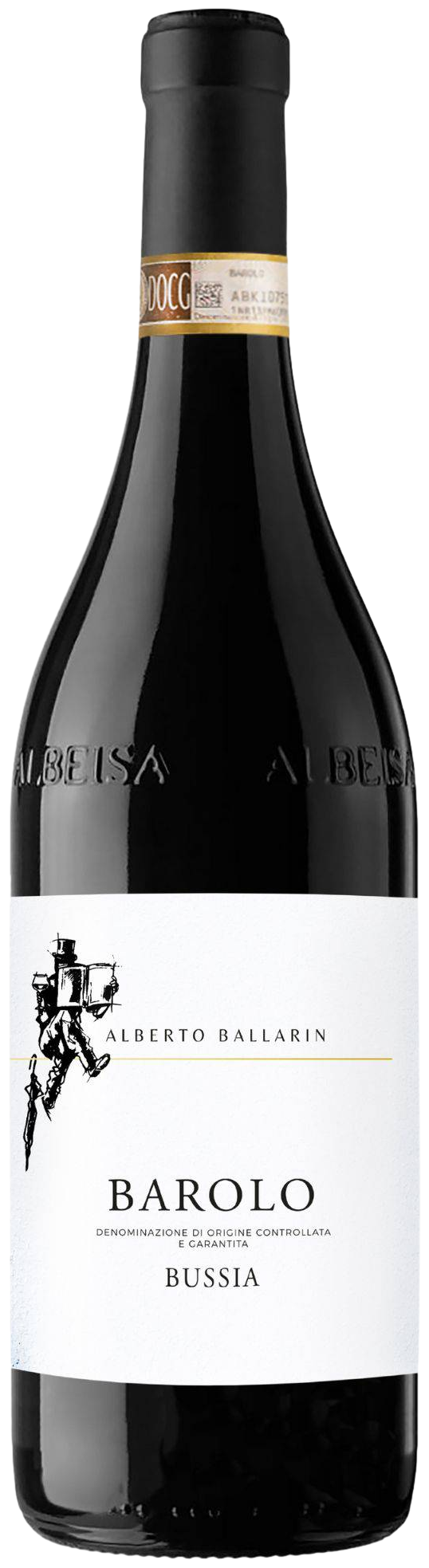
Italy • Piedmont • Barolo DOCG
Bricco dei Boschi Barbera del Monferrato 2018, La Casaccia
The perfect Piedmontese for your evenings with friends. This 2018 from the Bricco dei Boschi vineyard shows everything Barbera does best. On the nose, ripe red fruits with wood notes that bring depth. On the palate, it's round and supple, with a structure that holds well and a finish that makes you want to dive back into the glass.
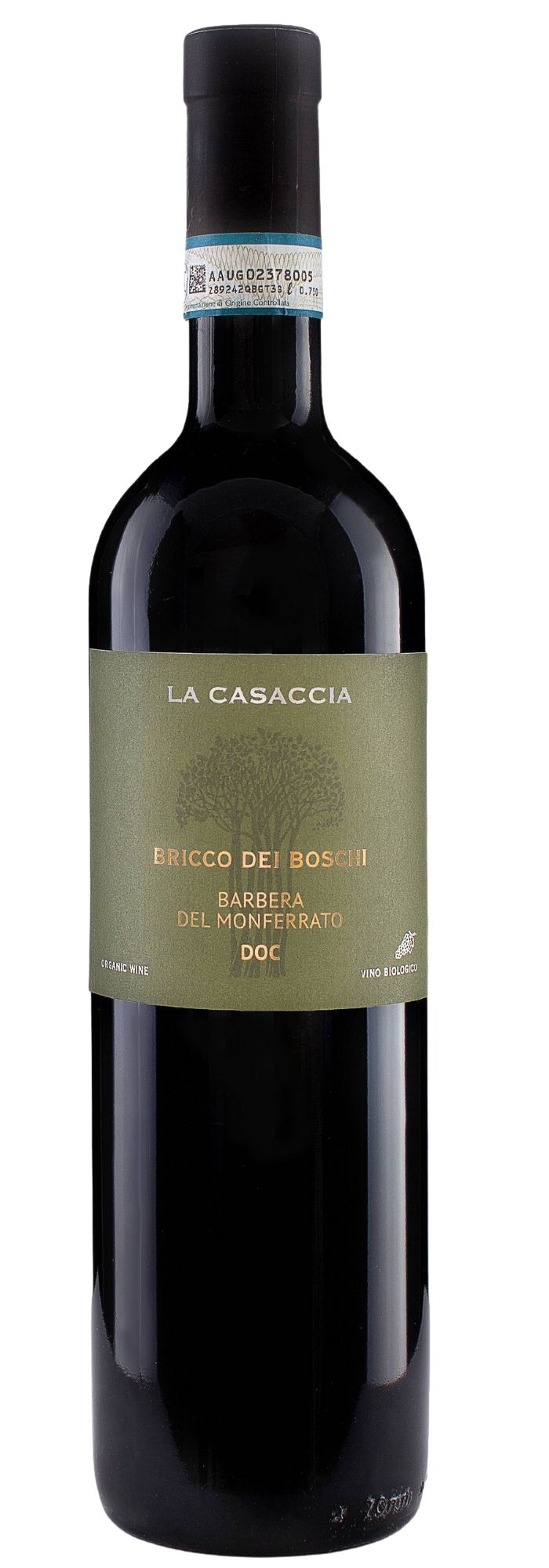
Italy • Piedmont • Barbera del Monferrato DOC
What dishes with Piedmont wines?
Piedmont is a gastronomic paradise, and its wines are tailored to accompany its rich and generous cuisine.
Truffle pasta and risotto
The white truffle from Alba is legendary and tajarin (fresh egg pasta) with truffles is an iconic dish. For this pairing, Nebbiolo is unbeatable: its fine tannins and floral notes sublimate the truffle without overpowering it. For a porcini risotto or white truffle risotto, same logic: Nebbiolo or Barbaresco will work miracles.
Brasato al Barolo and braised meats
Brasato al Barolo is beef braised in Barolo. Logically, you pair it with the same wine. But a Langhe Nebbiolo will also do the trick if you don't want to open an age-worthy bottle for cooking. For osso buco, Barbera with its fresh acidity and supple tannins is a perfect choice.
Vitello tonnato and antipasti
Vitello tonnato, this quintessential Piedmontese dish (cold veal, tuna sauce), calls for a white with structure. Arneis is ideal: its medium acidity and almond notes complement the sauce beautifully. For an antipasti platter with charcuterie and cheeses, Dolcetto or Barbera are your best allies.
Aged cheeses and desserts
Piedmontese cheeses like Castelmagno, Toma or Bra call for a red wine with structure. Barolo or Nebbiolo are obviously perfect. For dessert, Moscato d'Asti is essential: its fine bubbles and natural sweetness pair with fruits, pastries and Piedmont hazelnuts.
What's next after Piedmont?
Piedmont is only the beginning of your journey through Italian vineyards. If you loved the nobility of Nebbiolo and the generosity of Barbera, dive into our guide to Tuscan wines, where Sangiovese reigns supreme between Chianti and Brunello. You can also explore Trentino wines, where Alpine grape varieties offer remarkably fresh whites, or Sicilian wines for a completely different expression of Italian wine.
Piedmont: Discover our wines
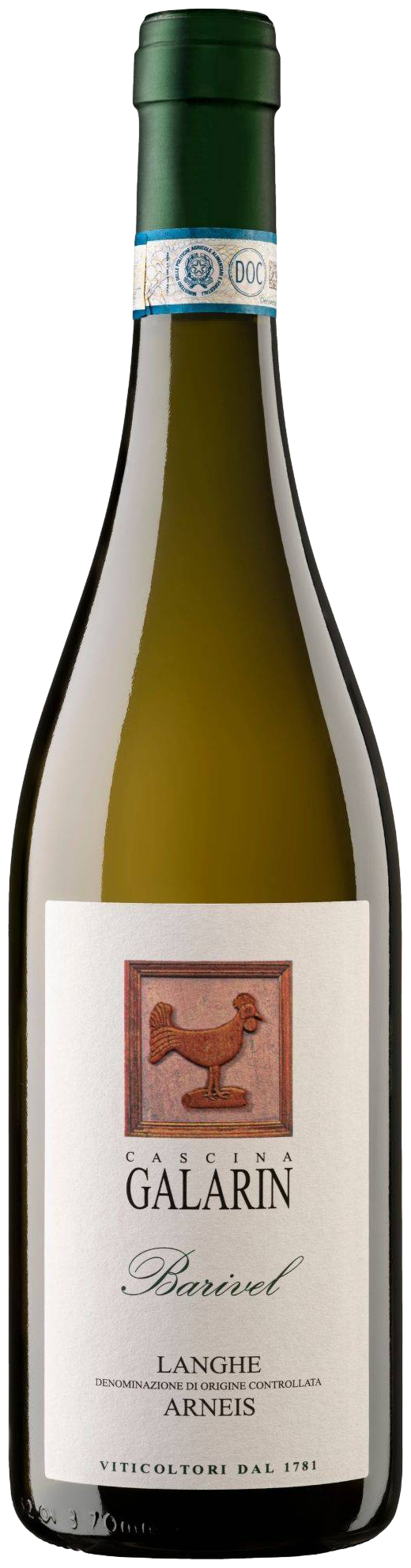
Langhe Arneis DOC
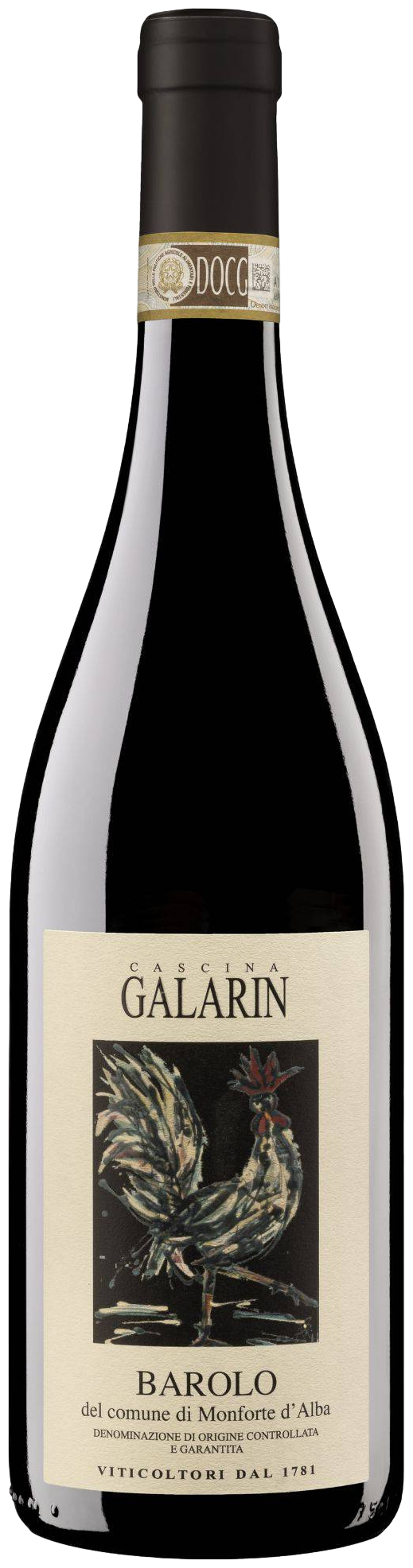
Barolo DOCG
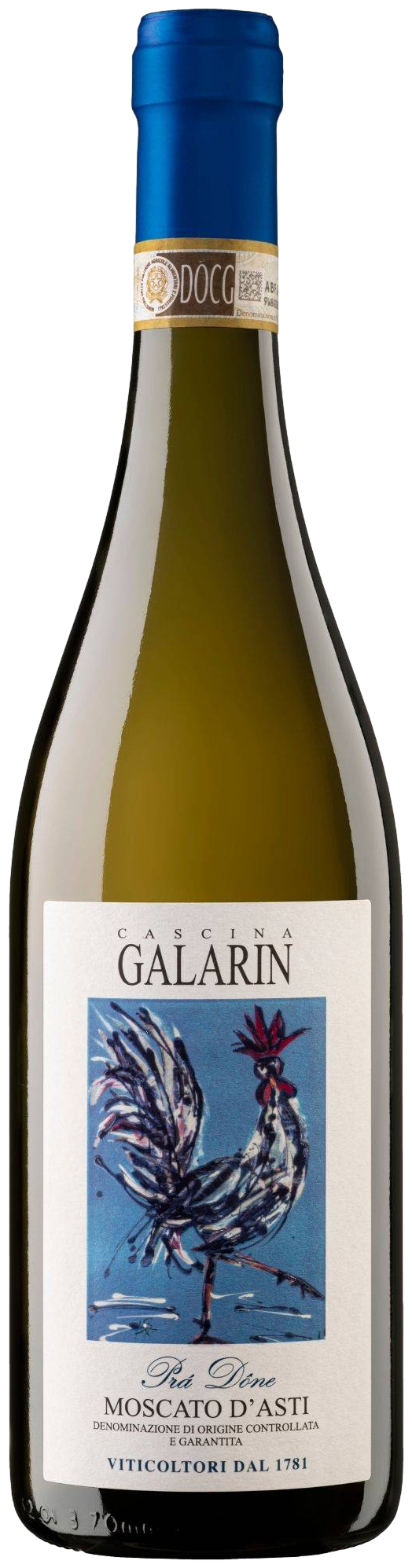
Moscato d'Asti DOCG
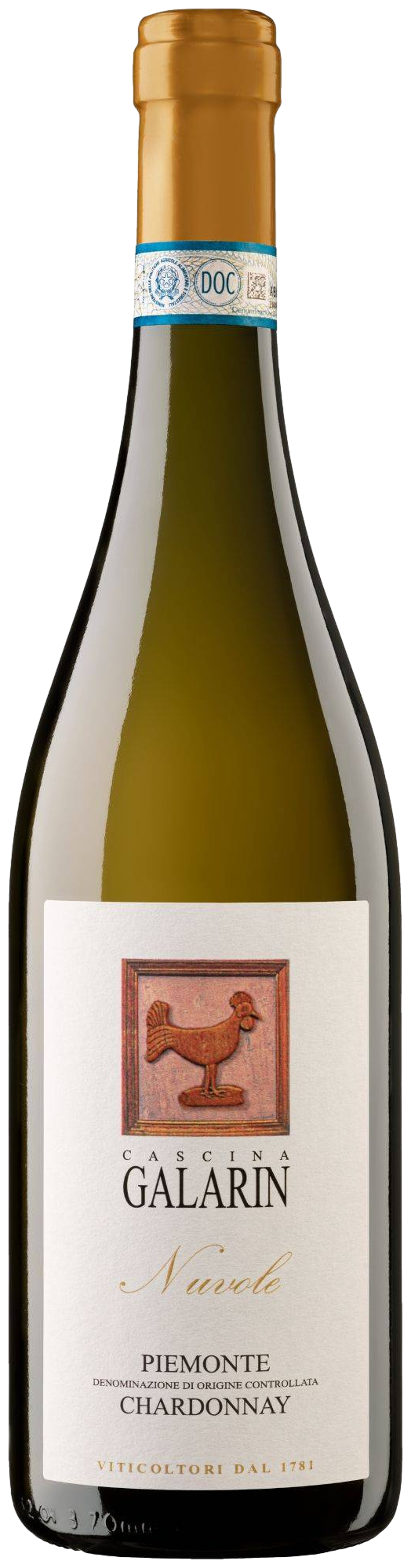
Piemonte DOC
Barolo DOCG
Langhe DOC
Langhe DOC
Barolo DOCG