Sicily, from the slopes of Etna to Nero d'Avola

You can't talk about Italian wine without mentioning Sicily. A crossroads of the Mediterranean, the island is a melting pot of cultures, with a unique heritage shaped by the various peoples who invaded it. The Phoenicians introduced the vine here 3,000 years ago. Later, the Greeks developed the activity, finding an ultra-fertile playground. It was during this period that Sicily became a benchmark for viticulture.
The 20th century saw the explosion of mass production of low-end wines, and Sicily paid a bitter price. It's only in recent decades that passionate winemakers have tried to restore their beloved island's prestige by taking particular care in creating their nectars. And the results speak for themselves: Sicily now produces some of the most exciting wines in Italy, alongside Tuscany and Piedmont.
An extraordinary climate for viticulture
If you've been to Sicily, you've felt how hot it gets in summer. In southern Italy, it's hot, but that's not all. The island is large, its landscape is varied, and above all it has a hidden asset: Etna and its volcanic soil, which rise to 3,357 meters above sea level.
The result is that while the sun beats down during the day, the nights are cool and the winters harsh at altitude. Mix all that together and you have a magnificent cocktail for making great wines. The volcanic soils bring unique minerality, the sea breezes temper the heat on the coasts, and the thermal amplitude between day and night allows the grapes to develop complex aromas while maintaining beautiful acidity.

The grape varieties of Sicily
Sicily has a remarkable ampelographic heritage, with indigenous grape varieties found nowhere else. Here are the main ones.
The best known is Nero d'Avola. Sometimes called Calabrese, it's the island's great red grape. Often compared to Syrah for its power and spicy character, or to Cabernet Sauvignon for its structure, Nero d'Avola is a grape with character, creating wines with beautiful concentration, aromas of blackberry, black cherry and spices, and sometimes high alcohol content. It shares this southern generosity with Primitivo from Puglia, its cousin from the heel of the Boot.
Nerello Mascalese is the other very popular red grape in Sicily. It's found mainly on the slopes of Mount Etna, where it produces superior quality red wines, with moderate alcohol content and aromas of red and black fruits, floral notes and volcanic minerality. Generally speaking, if Nero d'Avola is the Syrah of Sicily, Nerello Mascalese is its Pinot Noir.
Although it's mainly Sicily's black grapes that are known internationally, you should know that 70% of the island's vines grow white grapes. Catarratto is the most widespread, and when carefully vinified, it produces wines with a straw-yellow color and notes of tropical fruits and white flowers. There's also Grillo, which gives more mineral and saline wines, perfect for aperitifs. Carricante, the emblematic grape of Etna, produces whites of rare elegance, with lively acidity and notes of citrus and gunflint. And Zibibbo (also called Muscat blanc), a grape with a golden color that produces wines that are both fruity and floral, notably the famous Passito di Pantelleria.

The appellations of Sicily
Sicily has about thirty appellations, from the most confidential DOCs to the vastest IGTs. Here are the ones you need to know to navigate the island's wine landscape.
Etna DOC
This is Sicily's star appellation, and the one that has attracted the most international attention for the past fifteen years. Perched between 400 and 1,000 meters above sea level on the slopes of the volcano, Etna DOC benefits from a unique terroir: lava and volcanic ash soils, extreme thermal amplitude, old vines of Nerello Mascalese and Carricante.
The reds from Etna are elegant, fine and complex, often compared to great Burgundy Pinot Noirs for their delicacy and aging potential. The whites, based on Carricante, are among the most mineral and taut in Italy. The appellation is divided into contrade (named parcels), each with its own character, a bit like Burgundy's climats or Piedmont's cru. It's this diversity that makes Etna so exciting to explore.

Sicilia DOC and Terre Siciliane IGT
Sicilia DOC and Terre Siciliane IGT are the island's two generic appellations. They cover the entire Sicilian territory and offer great freedom in terms of grape varieties and blends. It's under these labels that you'll find the majority of Nero d'Avola, Grillo and blends with international grape varieties.
Don't underestimate them: some of Sicily's best value wines are hidden under these appellations. Freed from the constraints of stricter DOCs, producers can express their creativity, experiment with indigenous grapes and offer accessible and delicious wines that reflect the diversity of Sicilian terroirs.
Faro DOC
Sicily's most confidential appellation, located at the extreme northeast of the island, on the hills overlooking the Strait of Messina. Faro is a blend based on Nerello Mascalese, produced in tiny quantities by a handful of winemakers.
It's an elegant and fragrant wine, influenced by the sea breezes of the strait. Lighter and more floral than Etna reds, Faro has remarkable freshness and drinkability. If you come across one, don't hesitate for a second: it's a rarity that even most Italian wine lovers have never tasted.
Marsala DOC
Marsala is a fortified wine produced in the province of Trapani, in western Sicily. Made from grapes like Grillo, Catarratto or Nerello Mascalese, it has an amber color and a taste that's both sweet and complex, with notes of dried fruits, caramel, toasted almonds and precious woods.
Long relegated to the kitchen shelf (it's still used for the famous veal Marsala), quality Marsala deserves to be rediscovered as a meditation wine. The designations Superiore Riserva (minimum 4 years aging) or Vergine (minimum 5 years, dry) will guide you to the best bottles. Serve at the end of the meal with a platter of aged cheeses or dried fruits.
Pantelleria DOC
Passito di Pantelleria is a sweet wine made from Zibibbo (Muscat blanc) on the island of Pantelleria, a volcanic speck lost between Sicily and Tunisia. The grapes are sun-dried on reed mats according to an ancestral technique called appassimento, which concentrates the sugars and aromas.
The result is an amber nectar, very aromatic, with notes of honey, dried apricot, orange blossom, dates and exotic fruits. It's an exceptional dessert wine, to be served chilled between 12 and 14 degrees with an almond pastry, a ricotta cake or simply on its own, for meditation. The vineyards of Pantelleria, shaped by the wind and cultivated on terraces, are also classified as a UNESCO World Heritage site.
Vittoria DOC
The Vittoria region, in southeastern Sicily, is known for Cerasuolo di Vittoria, the only Sicilian wine to have obtained DOCG status, the highest Italian quality level. It's a blend of Nero d'Avola and Frappato, which gives a cherry-red wine with aromas of fresh red fruits, spices and flowers.
Frappato brings freshness and elegance, Nero d'Avola brings structure and depth. The result is an extremely versatile wine at the table, which can be drunk slightly chilled in summer or at room temperature with a pasta dish. It's probably the easiest Sicilian red to love, even for those who usually prefer lighter wines.

Producers to discover
The new generation of Sicily stands out for passionate artisans who showcase their terroir with rigor and creativity.
Massimo Lentsch

On the slopes of Mount Etna you'll find Massimo Lentsch's winery. After studying the terrain extensively and meeting many artisans, he settled on the volcano, near Catania. Touched by the richness and authenticity of the region, Massimo set out to produce exceptional wines that express the purity of the volcanic terroir.
With him, no heaviness or imposing tannins: Massimo's wines are silky and elegant, with a volcanic minerality that makes them immediately recognizable. His work on Nerello Mascalese and Carricante is remarkable, producing fine and complex wines that rival the best of the Etna DOC appellation.
Tenuta Vasari

Coming from Santa Lucia del Mela, near Milazzo in the northeast of the island, the Vasaris are artists at heart. You'll feel it immediately when tasting. Their creativity drives them to make a constant link between their intellectual inspirations and the culture of their terroir, in order to create authentic wines with unique flavors.
Their production is organic certified, which testifies to their commitment to an environmentally respectful vineyard. Nero d'Avola is their grape of choice, and they produce wines of surprising elegance, far from the clichés of heavy and overpowering wines sometimes associated with this grape.
Our favorites from Sicily
Here's our selection of Sicilian wines to discover the richness of the island, from powerful reds to volcanic whites.
The reds
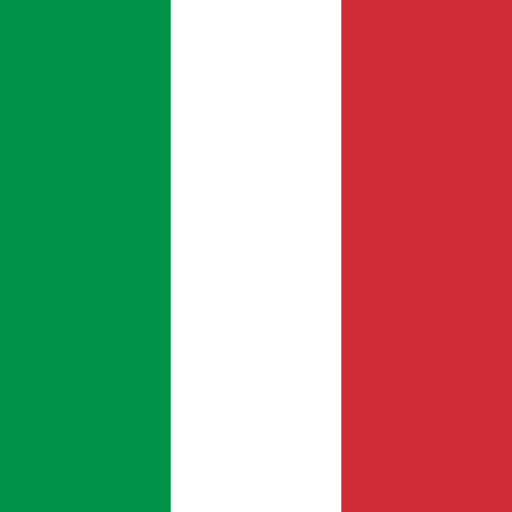
Mistral Rosso from Tenuta Vasari is an elegant Nero d'Avola that lets the grape's full potential express itself. On the nose, beautiful aromas of ripe fruit, slightly stewed black cherry, with notes of sweet spices and Mediterranean garrigue.
On the palate, the attack is frank and fruity, the tannins are supple and the wine drinks with disconcerting ease. At less than fifteen francs a bottle, it's the kind of wine you buy by the case without hesitation. Perfect for a pizza night with friends or a pasta dish with tomato sauce.
Bio
Italy • Sicily • Terre Siciliane IGT
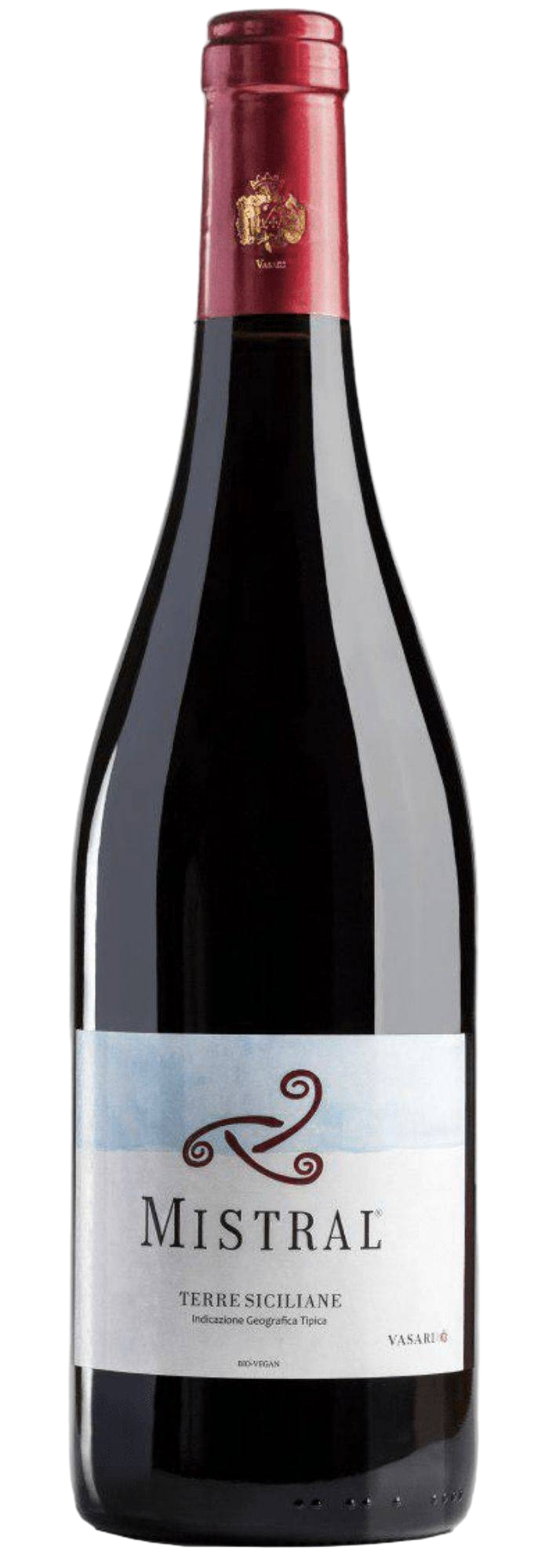
San Teodoro from Massimo Lentsch is a Nerello Mascalese from Etna DOC of remarkable finesse. The nose is complex, with fresh red fruits (raspberry, redcurrant), dried flowers and a beautiful volcanic mineral note that immediately marks its origin.
On the palate, freshness and elegance dominate. The tannins are fine, the acidity is lively and the finish is long, with that characteristic salinity of Etna wines. A wine that recalls great Pinot Noirs, but with a personality all its own. Serve with grilled tuna, sautéed mushrooms or a seafood risotto.
Italy • Sicily • Etna DOC
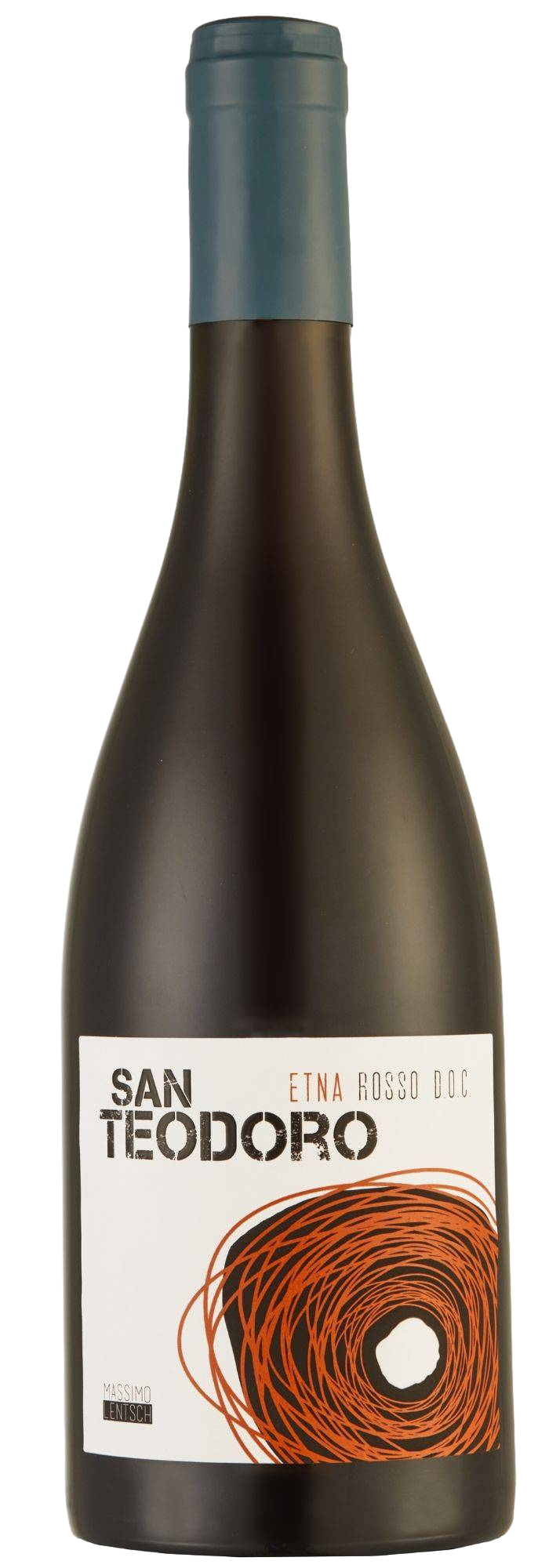
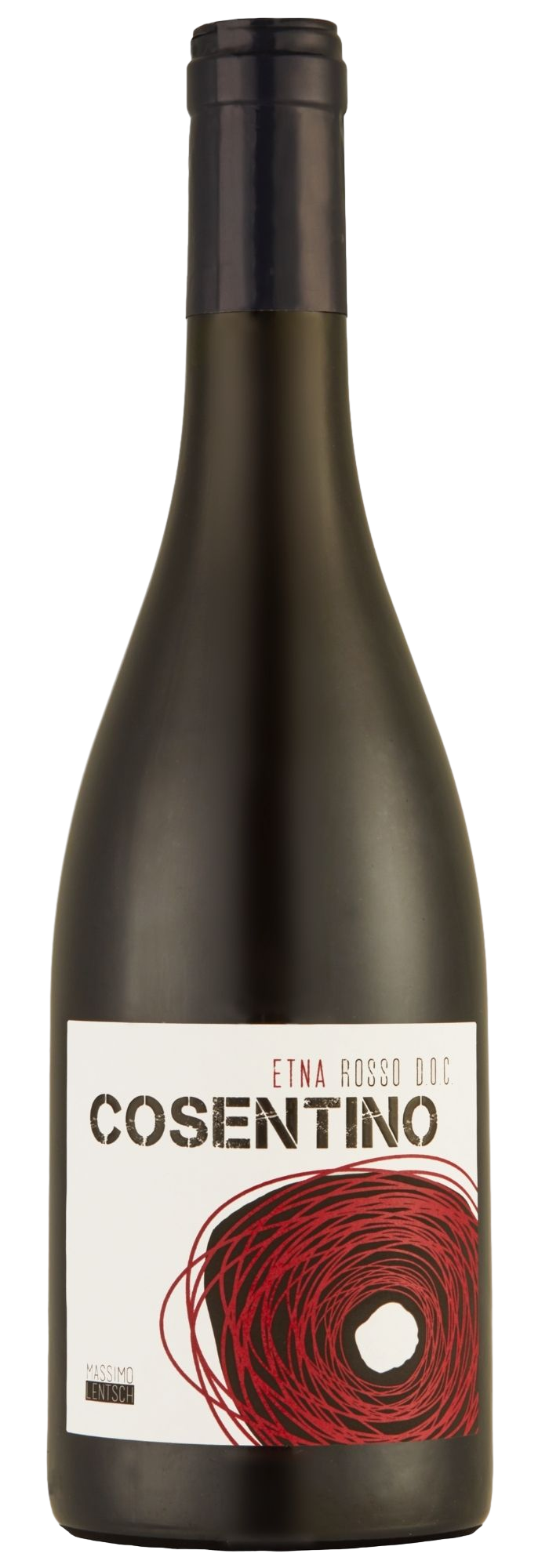
Cosentino from Massimo Lentsch is the estate's prestige cuvée. From a 1.35-hectare parcel planted with century-old Nerello Mascalese, this wine is the result of 15 months aging in barrels. The color is deep ruby red, the nose expresses complex notes of ripe cherry, wild blackberry, black pepper and sweet licorice.
It's a meditation wine, dense and deep, with silky tannins and impressive length on the palate. The barrel aging brings a subtle woody touch without ever masking the fruit or volcanic minerality. Open it with a beautiful piece of grilled meat, roast lamb with herbs or simply to treat yourself on a special evening.
Italy • Sicily • Etna DOC
The whites
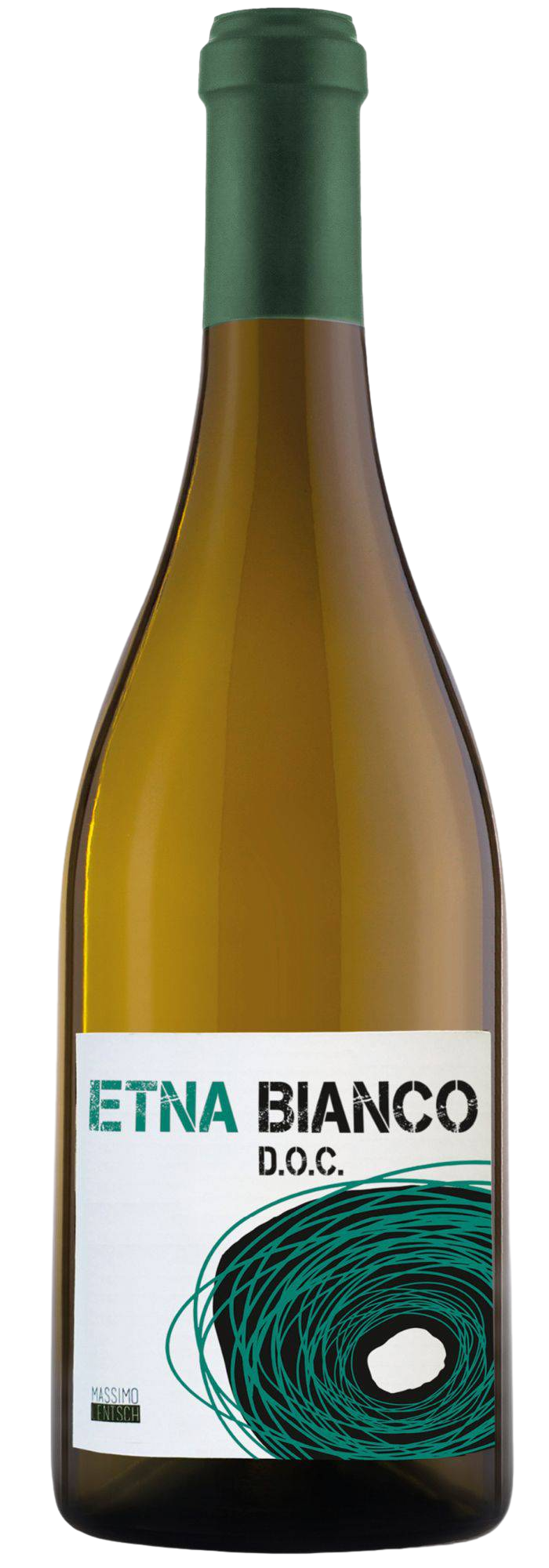
Etna Bianco DOC from Massimo Lentsch is a pure Carricante, the great white grape of Etna. It's a wine that impresses us with every tasting: crystalline purity, notes of citrus (lemon, grapefruit), white flowers and that volcanic minerality so characteristic of Etna wines.
On the palate, the attack is lively and chiseled, with a sharp acidity that gives it magnificent tension. The mid-palate is ample and saline, and the finish is long, with notes of gunflint and bitter almond. It's the kind of white that makes you forget that Sicily is an island of reds. Serve it well chilled with frutti di mare, swordfish carpaccio or simply as an aperitif facing the sea.
Italy • Sicily • Etna DOC
Food and wine pairings with Sicilian wines
Sicilian cuisine is one of the richest and most delicious in the Mediterranean, the result of centuries of Arab, Greek, Spanish and French influences. Here's how to pair it with the island's wines.
Arancini and Sicilian street food
Arancini, those rice balls stuffed with meat, mozzarella or ragù and then fried, are the emblem of Sicilian street food. Crispy on the outside, melting on the inside, they call for a fresh and thirst-quenching wine. Pair them with a well-chilled Grillo or a Nero d'Avola rosé.

For a platter of Sicilian products (eggplant caponata, green olives, fresh cheeses), a Catarratto with its white fruit notes or an Etna Bianco based on Carricante will work wonders. The salinity and freshness of these whites perfectly balance the oily and savory side of antipasti.
Pasta alla Norma and Sicilian pastas
Pasta alla Norma, with its grilled eggplant, tomato sauce, grated ricotta salata and basil, is the quintessential Sicilian dish. Born in Catania, it's named after Bellini's opera, no less. A young and fruity Nero d'Avola will be perfect: its notes of cherry and spices marry wonderfully with eggplant and tomato.

For pasta with sardines and wild fennel (pasta con le sarde), switch to a white like Grillo or Carricante to accompany the fish. And for busiate al pesto trapanese (pasta with almond, tomato and basil pesto), an Etna Bianco or Catarratto will create a pairing full of freshness.
Fish and seafood
Grilled swordfish, bluefin tuna from Favignana, octopus, sea urchins, red prawns from Mazara del Vallo: Sicily is a paradise for seafood lovers. An Etna Bianco based on Carricante, with its volcanic minerality and chiseled acidity, is the ideal companion for grilled fish and shellfish.
For a fish couscous alla trapanese (a specialty from the west of the island, a legacy of Arab influence), a Grillo with its maritime salinity will echo the flavors of the sea. And for swordfish carpaccio or tuna tartare, don't hesitate to open a well-chilled Etna Bianco: the pairing is magical.
Cannoli and Sicilian desserts
Ricotta cannoli, cassata, Martorana fruits in almond paste, pistachio granitas from Bronte: Sicilian desserts are a festival of sweet and generous flavors. This is where Passito di Pantelleria enters the scene.
Its notes of honey, dried apricot and orange blossom make it the perfect pairing with almond and ricotta pastries. For candied citrus or a lemon granita, a Malvasia delle Lipari (from the Aeolian Islands archipelago, north of Sicily) will bring a floral and golden touch. And with freshly filled cannoli, a Marsala Superiore will be an unforgettable alliance of indulgence.
Continuing the journey in southern Italy
Sicily is a world unto itself: a volcano that nourishes its vines, grape varieties found nowhere else, a cuisine that makes you forget you have a plane to catch. But the island is just one stop in the great Italian south.
If you loved the generosity of Nero d'Avola and the volcanic elegance of Nerello Mascalese, you'll love what the rest of the Mezzogiorno has to offer. Head to Puglia, where Primitivo and Negroamaro produce sunny and delicious reds on the red lands of Salento. And Sardinia, with its wild Cannonau and saline Vermentinos, still has other Mediterranean surprises in store for you.
Buon viaggio, and above all, buona bevuta! 🍷