
Trentino-Alto Adige, hidden gem of the Dolomites

Here, no Nebbiolo or Sangiovese: instead, you'll find grape varieties adapted to cool climates and alpine terroirs. It's no coincidence that Gewürztraminer, the pride of Alsace and German wines, originates from the village of Tramin, in the heart of Alto Adige.
A region with a rich history, born from the blend of Germanic and Latin cultures, its wines reflect all these influences. Bilingualism (Italian and German) extends to wine labels, and this dual identity gives Trentino-Alto Adige a unique personality in the Italian wine landscape.
History of winemaking in Trentino-Alto Adige
Viticulture in this region dates back to Roman times, when legions discovered that the valleys protected by the Alps offered ideal conditions for vines. In the Middle Ages, monasteries developed and refined winemaking techniques, particularly in Alto Adige under Austrian influence.
The modern history of Trentino wine was marked by a turning point in the 1970s and 1980s, when a new generation of winemakers decided to focus on quality rather than volume. Today, Trentino-Alto Adige produces some of Italy's finest whites and remarkably elegant reds, thanks to the unique combination of alpine soils, altitude, and temperature swings between day and night.

The appellations of Trentino-Alto Adige
The region is divided into two distinct wine provinces, each with its own appellations and character.
Trentino DOC
The main appellation of the southern Trentino province. It covers a wide range of grape varieties, from whites like Pinot grigio, Chardonnay, and Müller-Thurgau to reds like Pinot noir, Merlot, and Cabernet Sauvignon. The vineyards are mainly located in the Adige valley and on the surrounding hillsides, benefiting from generous sunshine tempered by alpine breezes.

Alto Adige DOC (Südtirol)
The northern province, predominantly German-speaking, where wine is experienced in German as much as Italian. Alto Adige DOC is considered one of Italy's most prestigious appellations for white wines. Gewürztraminer reaches an incomparable expression here, and the Pinot blanc and Sauvignon blanc rival the continent's best. Reds from Lagrein and Schiava complete the palette with supple, aromatic wines.
Trento DOC
The appellation dedicated to sparkling wines, made using the traditional method (like Champagne). Trentodoc, as it's affectionately called, is produced mainly from Chardonnay and Pinot noir, with aging on lees for a minimum of 15 months. It's one of the best-kept secrets of Italian bubbles: wines with a finesse and elegance that rival Crémants or even some Champagnes.
Teroldego Rotaliano DOC
Trentino's most distinctive appellation. Teroldego is a native grape variety that grows almost nowhere else but the Rotaliano plain, north of Trento. It produces deep, intense reds with aromas of blackberry, violet, and spices, and a tannic structure that allows them to age well. If you're looking for an original Italian red off the beaten path, this is where to look.
The grape varieties of Trentino-Alto Adige
The region's ampelographic heritage is a fascinating blend of Germanic, native, and international grape varieties.
In whites, Gewürztraminer is the undisputed star. Aromatic, with notes of lychee, rose, and spices, it achieves a finesse and elegance here that many consider superior to Alsatian versions. Pinot grigio is ubiquitous, producing more structured and mineral wines than in the rest of Italy. Pinot blanc produces fresh, delicate whites, Sauvignon blanc makes lively, aromatic wines, and Müller-Thurgau offers lovely fruity wines with grapefruit notes, perfect for aperitifs. Chardonnay is also widespread, particularly for Trentodoc production.

In reds, Pinot noir takes the lion's share and produces remarkably elegant wines in high-altitude areas. Cabernet Sauvignon and Merlot complete the international offering. But it's the native grape varieties that make the region truly original: Teroldego, powerful and deep; Lagrein, fleshy and spicy; Schiava (Vernatsch in German), light and fruity; and Marzemino, supple and aromatic, which Mozart himself would have appreciated (it's mentioned in Don Giovanni!).
Producers to discover
Tenuta Maso Corno
Located in the small village of Ala, on hillsides overlooking the Adige, Tenuta Maso Corno is the work of Giulio Larcher, a man who loves his craft. Respectful of traditions and his terroir, while never hesitating to innovate, he's among the winemakers who favor low yields, hand harvesting, and extreme rigor in grape selection.
His whites have crystalline purity, with an alpine minerality that immediately reveals their origin. His Pinot noir SantaMaria is a jewel of finesse that proves Trentino can rival the best expressions of this grape variety outside Burgundy.

Our favorites from Trentino-Alto Adige
Here are our recommendations for discovering wines from this alpine region.
The whites
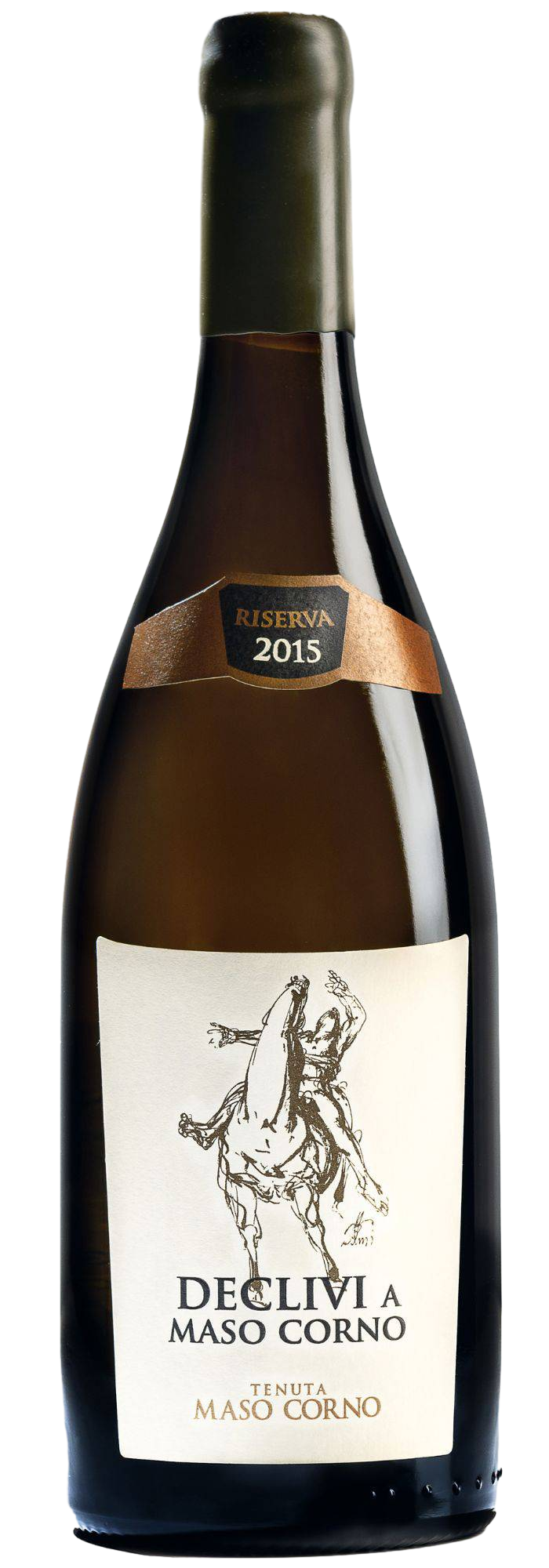
Declivi from Tenuta Maso Corno is a Sauvignon blanc from the Trentino DOC appellation that expresses all the freshness and minerality of the alpine terroir. On the nose, intense notes of boxwood, grapefruit, and gunflint. On the palate, the attack is lively, the acidity is chiseled, and the finish is long and saline.
It's a Sauvignon blanc that plays the elegance card rather than aromatic power. Far from the exuberant New Zealand versions, Declivi is a terroir wine, refined and precise, that pairs beautifully with lake fish, white asparagus, or fresh goat cheese.
Italy • Trentino - Alto Adige • Trentino DOC
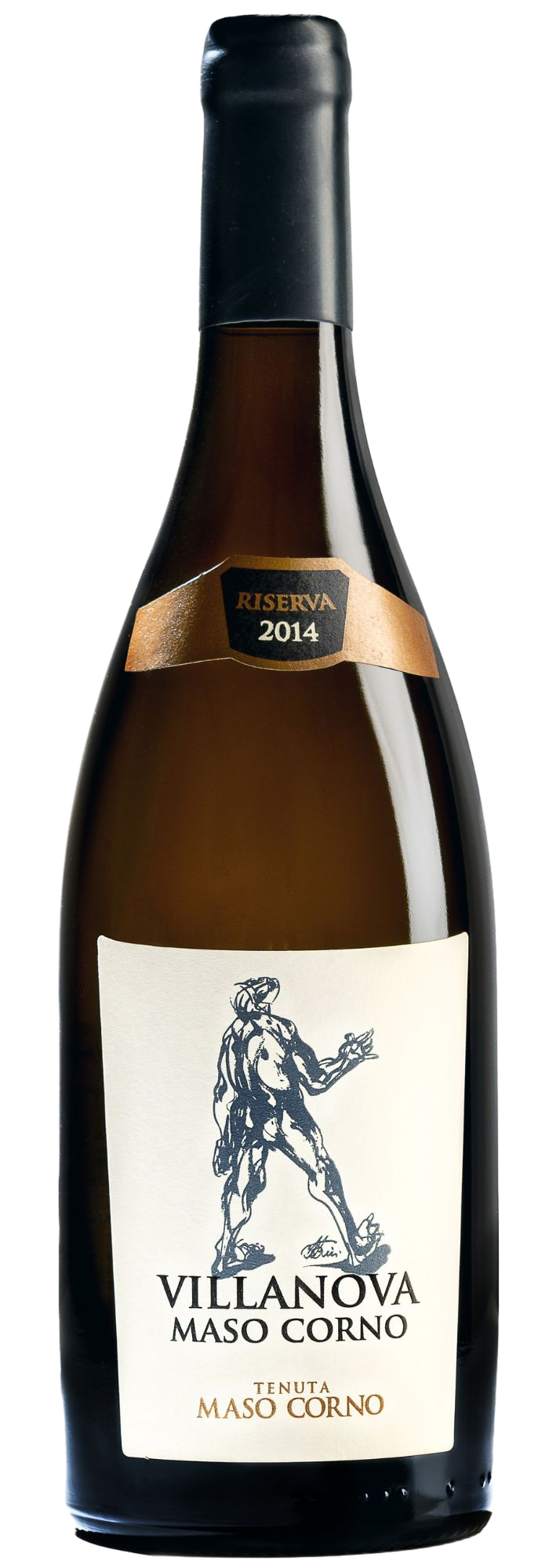
Villanova from Tenuta Maso Corno is a Chardonnay from the same appellation, but with a very different character. Rounder and fuller than Declivi, it offers notes of ripe apple, hazelnut, and a subtle buttery touch that reveals controlled aging.
On the palate, generosity dominates, but always with that alpine freshness in the background. A Chardonnay that doesn't copy Burgundy but offers its own identity, rooted in the Dolomites. Perfect with mushroom risotto, roasted poultry, or a platter of mountain cheeses.
Italy • Trentino - Alto Adige • Trentino DOC
Alpine food and wine pairings
Trentino-Alto Adige cuisine is a delicious blend of Italian and Austrian influences, ideal for the region's wines.
Canederli (Knödel) and speck
Canederli, those bread dumplings soaked in milk, mixed with speck and herbs, are the ultimate comfort food. Served in soup or gratinéed, they call for a structured white like Pinot grigio or Chardonnay from Trentino. For a platter of speck and mountain cheeses, a Gewürztraminer with its spicy notes will create a harmonious pairing.
Polenta and game
Polenta, whether creamy or grilled, is the base of many mountain dishes. Accompanied by a deer or venison stew, it pairs perfectly with a Teroldego or Lagrein, whose tannic structure and dark fruit aromas stand up to the powerful flavors of game. For simpler polenta with melted cheese, a light, fruity Pinot noir will work wonders.

Apple strudel and desserts
Apple strudel, a direct legacy of Austrian tradition, is an Alto Adige classic. To accompany it, a late-harvest Gewürztraminer or a sweet Müller-Thurgau will be delicious pairings. And for zelten (Christmas cake with dried fruits), a Moscato Rosa from Alto Adige will be simply magical.
Lake fish
Lake Garda and alpine rivers provide trout, Arctic char, and pike. These delicate fish call for fresh, mineral whites: a Pinot blanc, a Sauvignon blanc, or a Müller-Thurgau will be your best allies. Grilled with a drizzle of olive oil and a few herbs, lake fish with a Trentino white is dolce vita, alpine style.
Continue the journey in northern Italy
Trentino-Alto Adige is Italy that also speaks German, that smells of speck and mountain flowers, and that produces some of the Peninsula's most elegant whites. But the adventure doesn't stop at the Brenner Pass.
Just to the south, Veneto awaits with its powerful Amarone, festive Prosecco, and crystalline Soave. And if you prefer to stay with the great reds of the north, Piedmont and its legendary Barolo are just a few hours' drive away. For a completely different Italian style, head to Tuscany and its Super Tuscans.
Prost, salute, and see you on the next adventure! 🍷