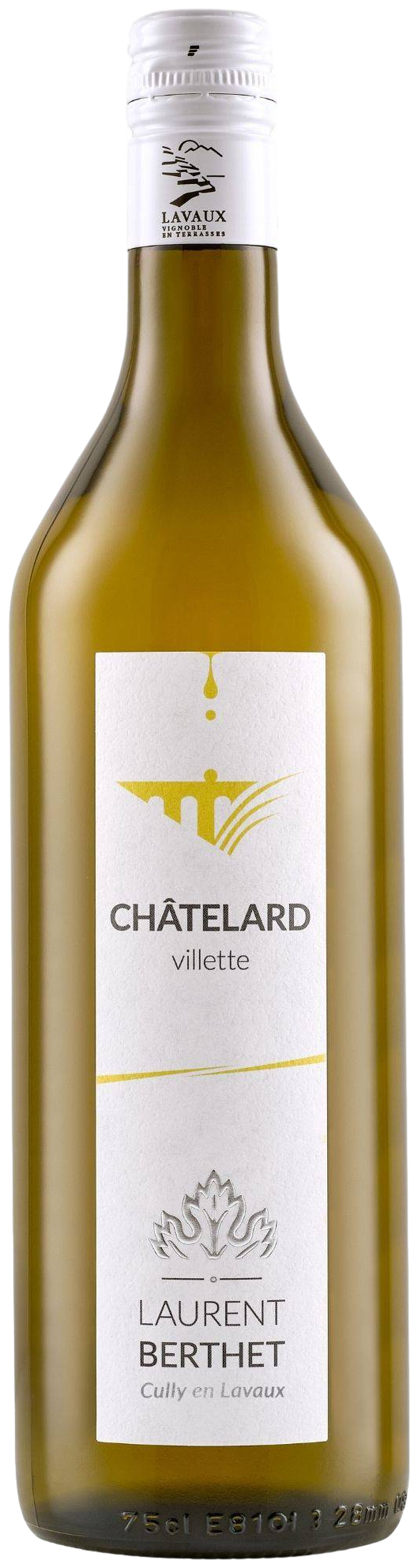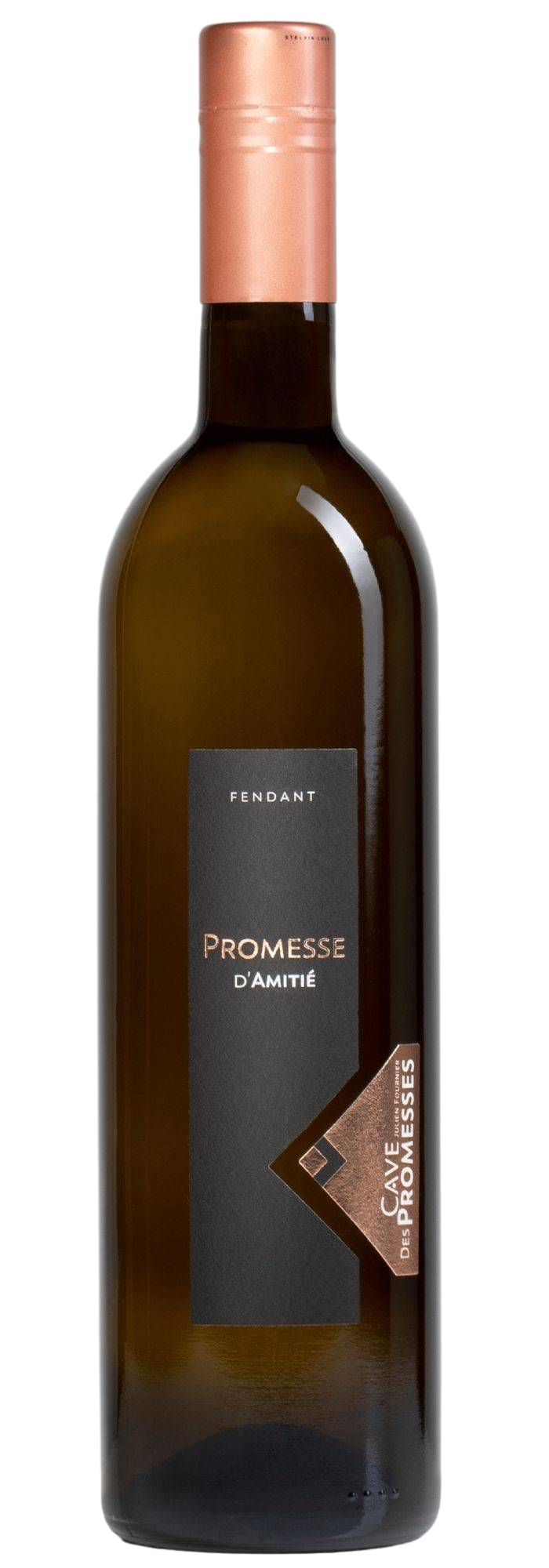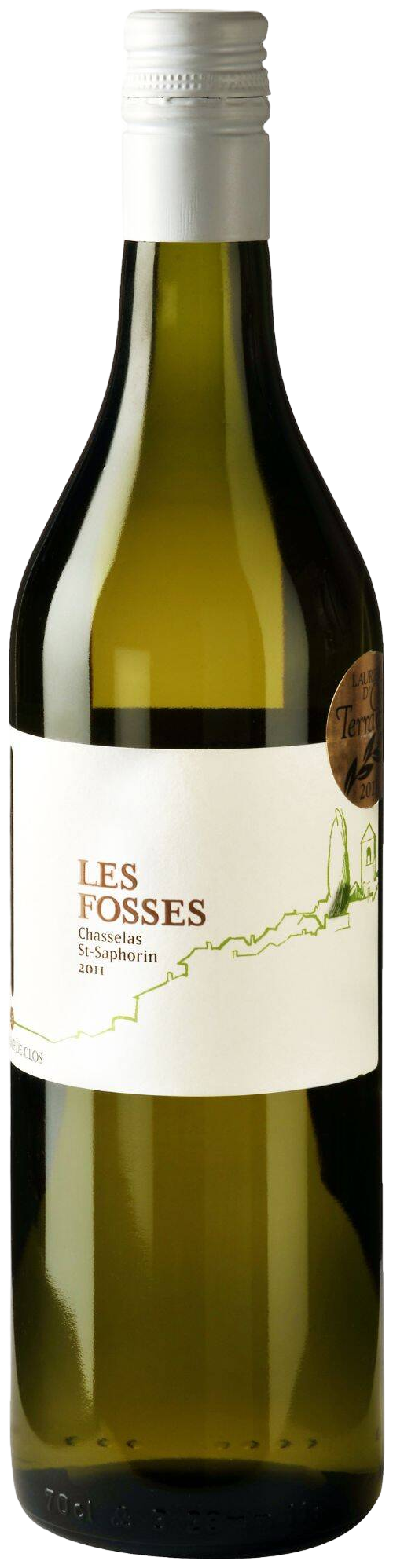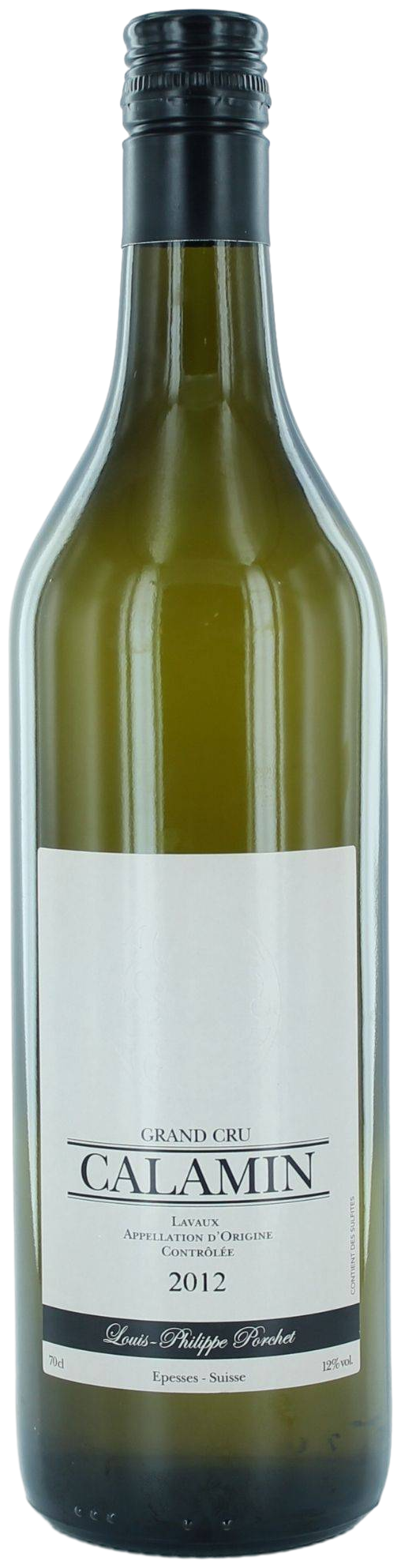
Chasselas
Switzerland's subtle superstar that's been delighting wine lovers since Roman times!
Also known as Fendant, Gutedel, Perlan, Dorin, Weisser Gutedel
Chasselas is one of the oldest known grape varieties, with roots tracing back to ancient Egypt and subsequent cultivation by the Romans. While it's grown across Europe, this white grape has found its true home in Switzerland, particularly around Lake Geneva, where it's known as Fendant in Valais. The Swiss are so passionate about Chasselas that it accounts for nearly 60% of their white wine production!
What makes Chasselas special is its remarkable ability to express terroir. Unlike more aromatic varieties, Chasselas acts like a mirror, reflecting the minerals and characteristics of the soil where it grows. It's also enjoyed as a table grape across France, making it a versatile variety that's equally at home on your plate or in your glass.
How to recognize this grape variety?
Chasselas produces delicate, refreshing wines with subtle charm. On the nose, expect gentle notes of white flowers, green apple, and citrus, with hints of almond and minerals. The palate is crisp and light-bodied, offering flavors of pear, lemon, and sometimes a pleasant flinty character that reflects its terroir.
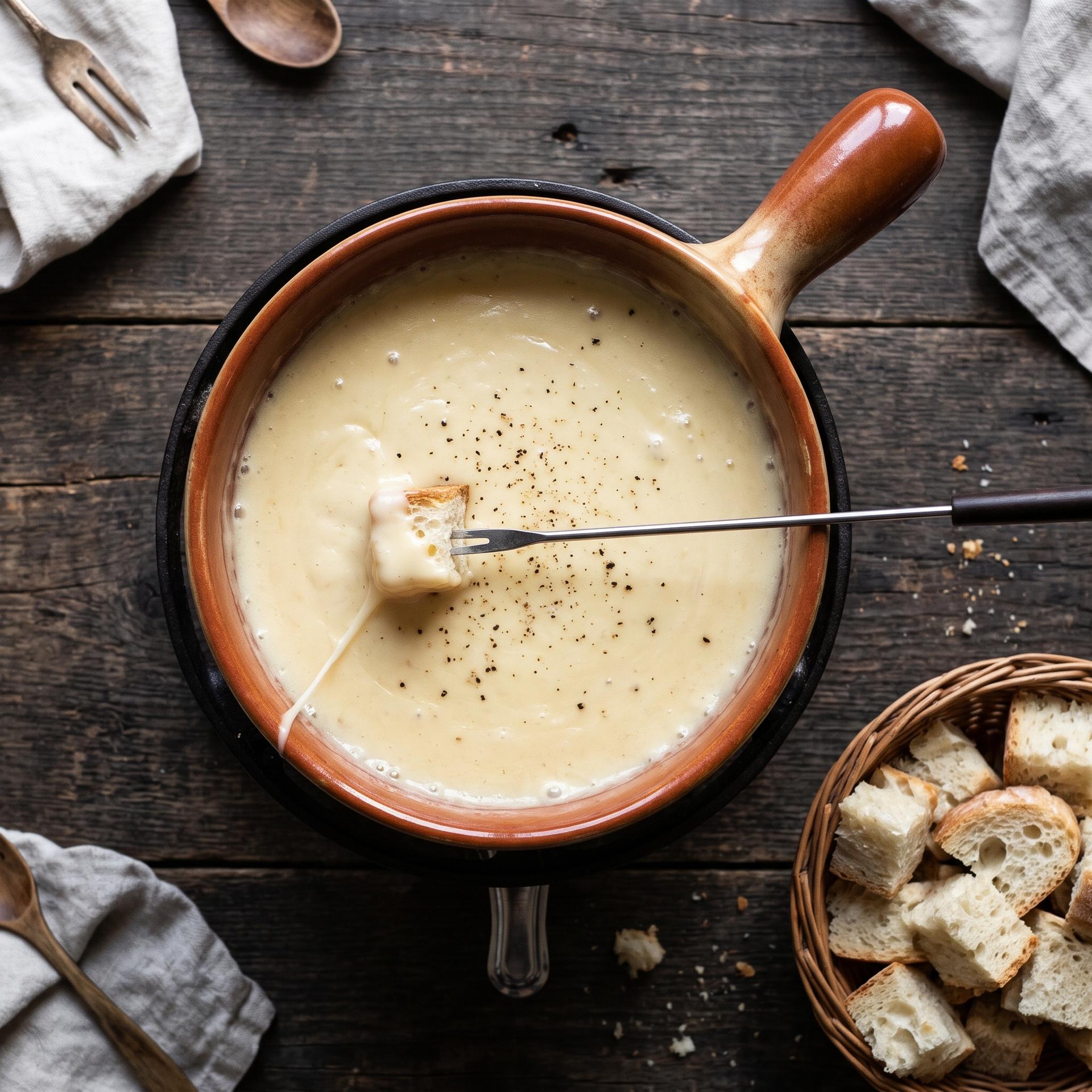
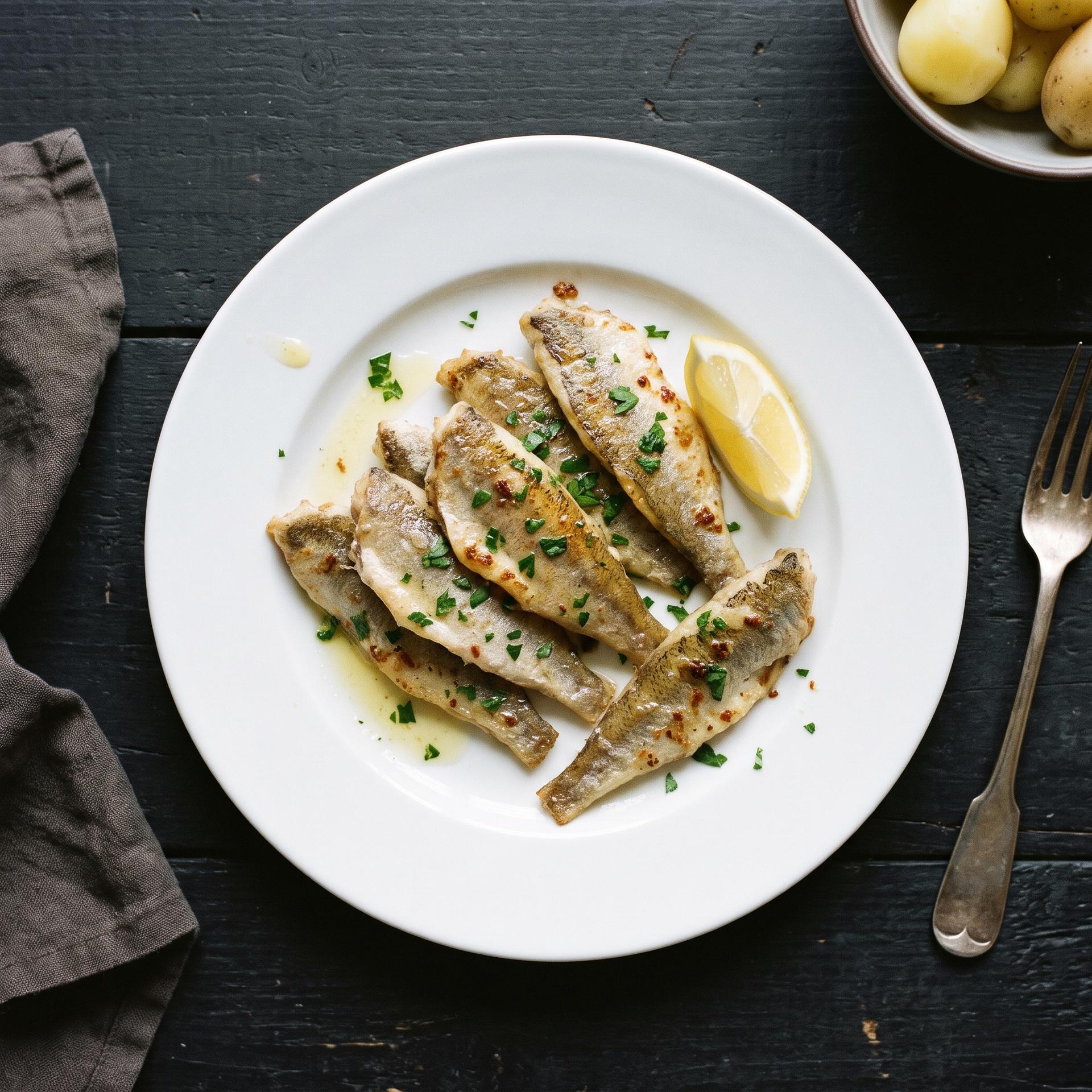
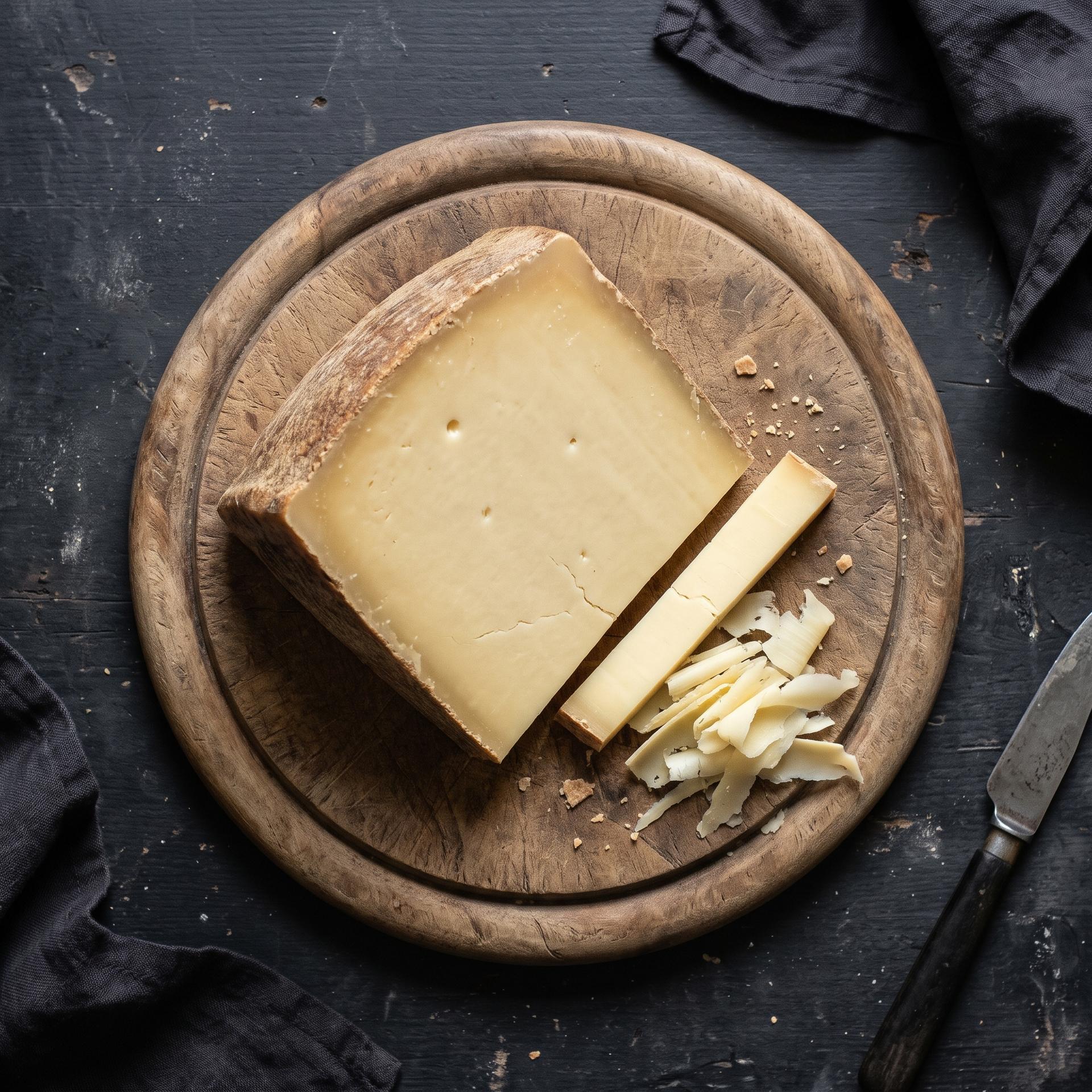
The wine's clean, fresh profile and moderate acidity make it incredibly food-friendly. It's a dream pairing with Swiss cheese fondue (naturally!), freshwater fish like perch or trout, shellfish, light salads, and Asian cuisine. Its subtle nature also makes it a wonderful aperitif wine that won't overpower delicate appetizers or conversation.
Chasselas production around the world
Here's the list of the top 2 producers of Chasselas worldwide.

Food pairings with Chasselas
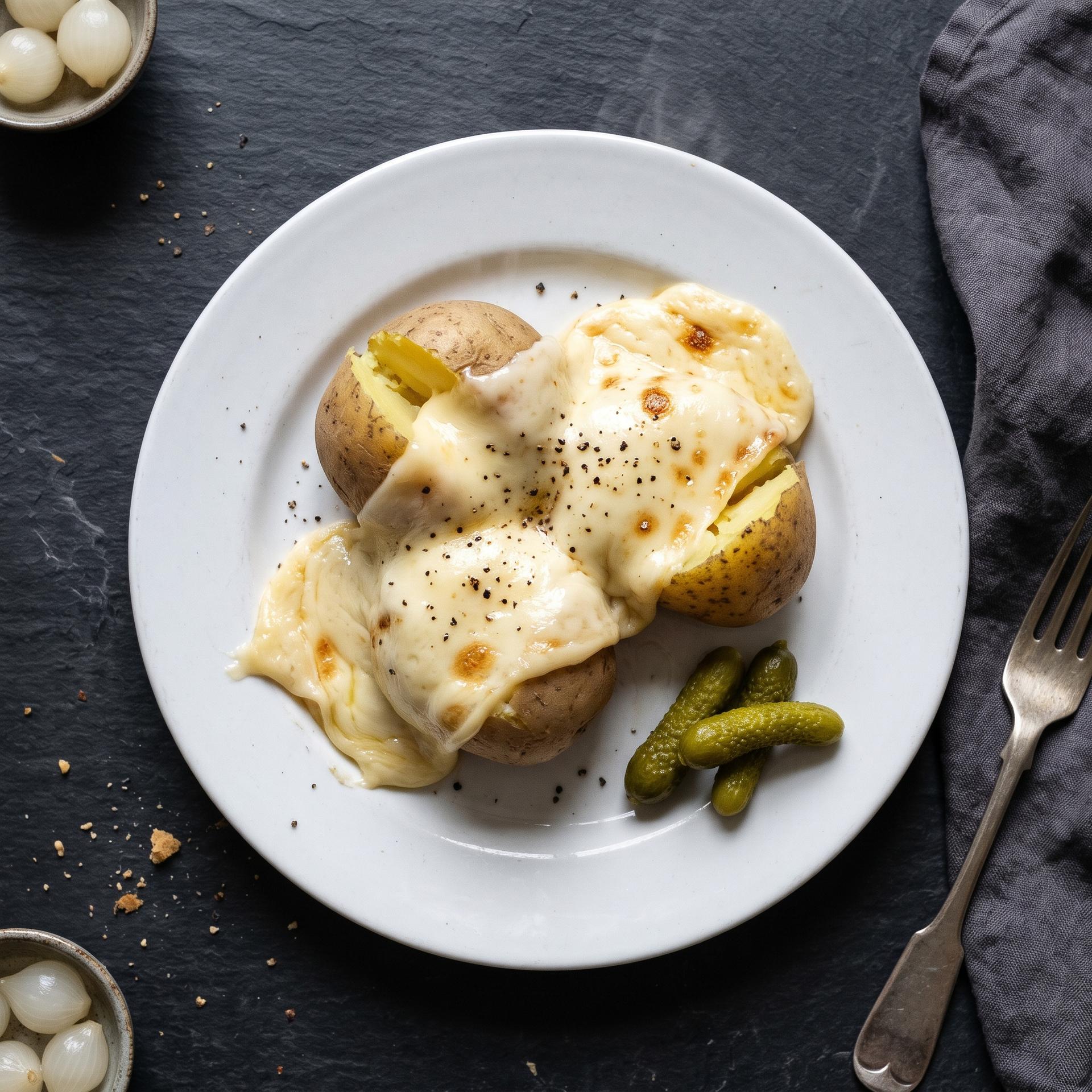
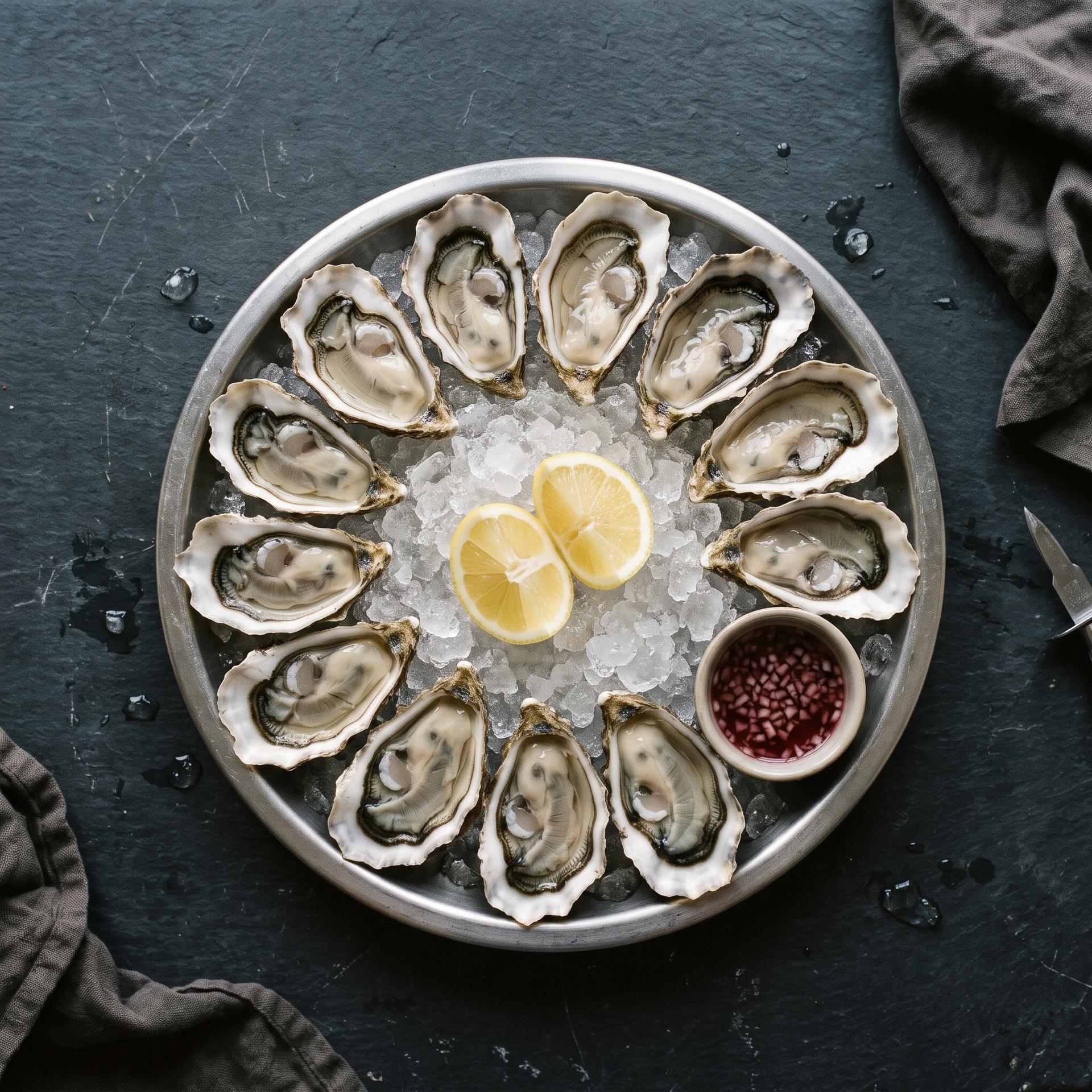
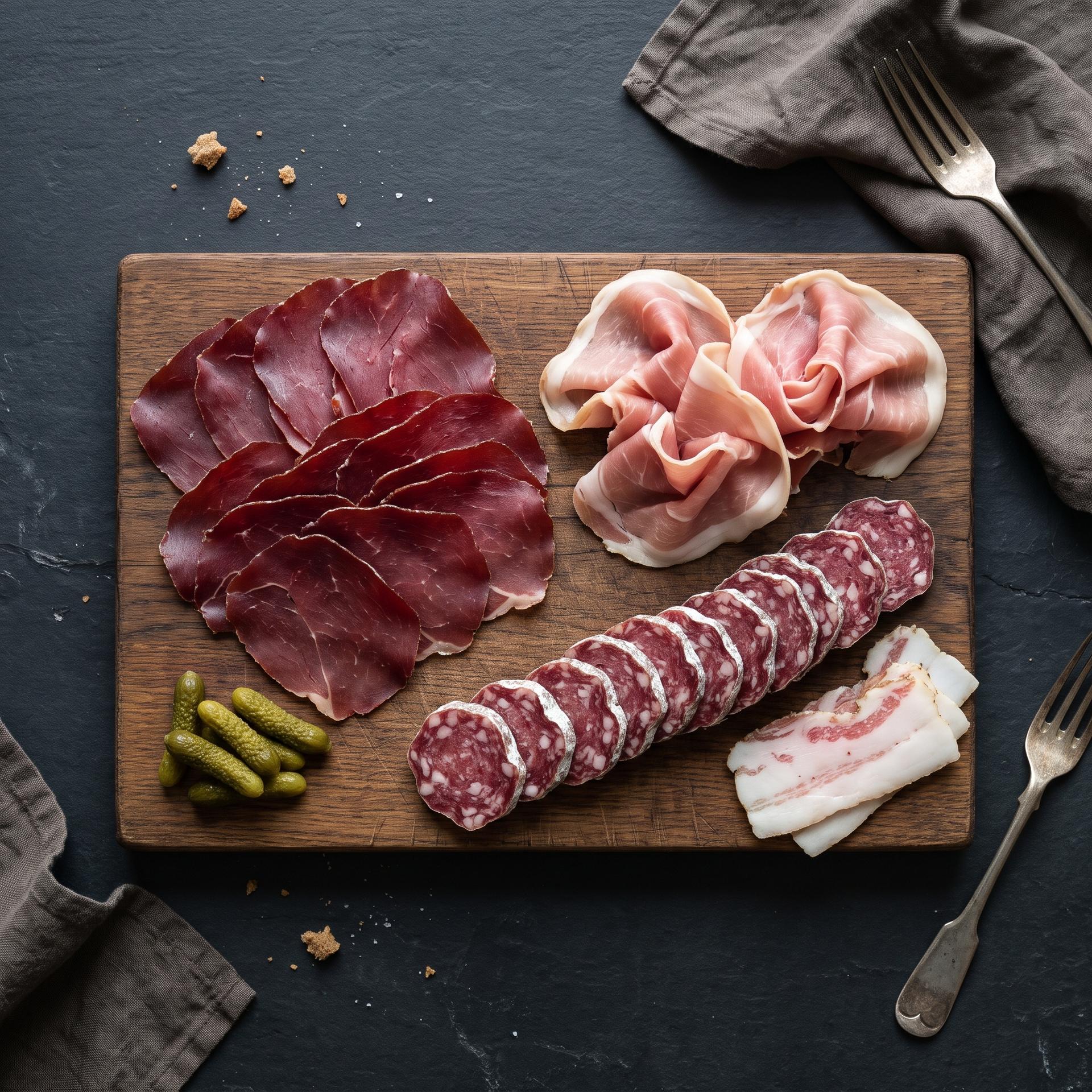
These dishes go well with Chasselas.


Wines made from Chasselas come from these regions
Open the region guide to go further.
Frequently asked questions
Is Chasselas a white or red wine?
Always white. Chasselas makes dry wines with a pale yellow colour. There are Chasselas vines with pink or red berries, but they are mutations, kept as curiosities or grown as table grapes, and you won't find them in Swiss vineyards. In France, Chasselas de Moissac is even a protected (AOP) table grape, not a wine.
What is the difference between Chasselas, Fendant and Dorin?
It's the same grape under different names. Since 1966, the name Fendant has been reserved for Chasselas from Valais, with no other grape added. It comes from the berries, which split when pressed between your fingers. In Vaud, it's called Dorin or named after its village, like Dézaley. In Geneva it's Perlan, and in Germany, Gutedel.
Where is Chasselas grown in Switzerland?
On about 3400 hectares, which makes it the country's leading white grape. Vaud grows roughly 65%, ahead of Valais (22%), Geneva and the Three Lakes region (7% each). The Lavaux terraces, a UNESCO World Heritage site since 2007, produce the most famous Chasselas, but La Côte and the Chablais are well worth exploring too.
Which Chasselas goes best with fondue or raclette?
A young, lively Chasselas served at 8 to 10°C: its acidity and minerality cut through the melted cheese. A Fendant, a Chasselas from La Côte or one from Geneva does the job perfectly without breaking the bank. Save your Lavaux Grands Crus for perch fillets instead. You'll find all our ideas on our fondue and raclette pages.
Can you age Chasselas?
Yes, longer than most people think. Most are drunk within two to three years for their freshness, but a Grand Cru from a good vintage can last ten years or more. It then develops notes of honey, beeswax and dried fruit, and its colour turns golden. Serve it a little less chilled, around 12°C, and decant it.
How much does a good Chasselas cost and where can you buy it online?
In our selection, Swiss Chasselas ranges from about CHF 11 for a Geneva wine to CHF 34 for a Dézaley Grand Cru. For a Lavaux Grand Cru, expect CHF 20 to CHF 25. On Tasters, you order from three bottles, delivered anywhere in Switzerland. Shipping costs CHF 12, free from CHF 200, and you pay by card or Twint.
If you like this grape variety...
Keep reading and discover other grape varieties.
Grape variety fact sheet

Origin
Switzerland